


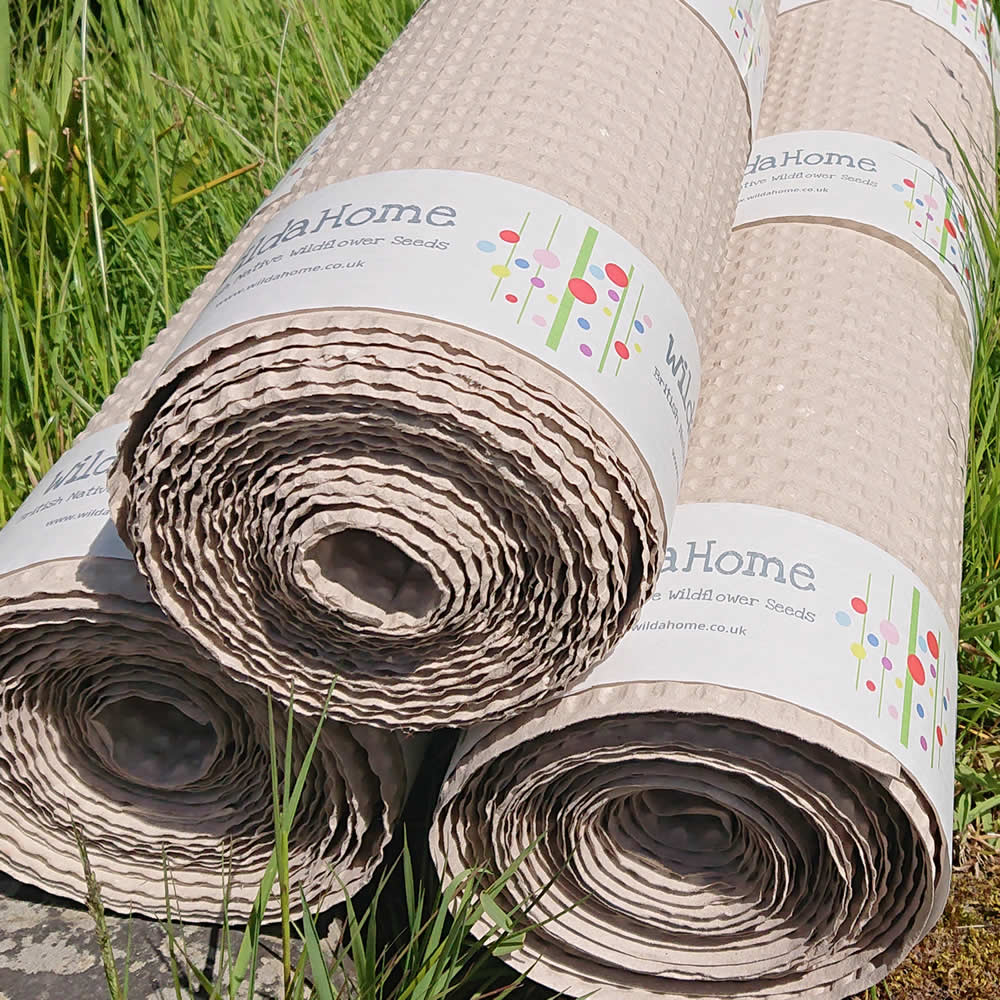
What is a Seed Mat?
What is Improver?
Agrimony, Common (Agrimonia eupatoria) Seeds
£110.40 inc VAT
Common Agrimony is a mid-height native perennial for open meadows and hedgerow edges — yellow flower spikes from June to August, good for bees and small moths.
🚚 UK delivery £5.95 per order
Larger area or a bespoke mix? Ask us for a quote →
About this product
Common Agrimony (Agrimonia eupatoria) is one of the most recognisable plants of traditional British meadows and hedgerow margins — a slender, upright perennial with lemon-yellow flower spikes that rise from June through to August. Heights typically reach 30–60cm, making it well suited to mid-layer planting in a wildflower mix or as a species addition to an existing meadow.
It performs best in well-drained, low-nutrient soils — chalky, loamy, or sandy ground — and is tolerant of dry conditions once established. In the wild it is most commonly found on calcareous or neutral grassland. The flowers attract bees and hoverflies, and the hooked seed heads that follow are a food source for small mammals and birds into autumn.
Agrimony is hemi-parasitic on grasses, which helps it persist in grassland settings where stronger competitors might otherwise dominate. Sow in autumn for natural cold stratification — the seeds need a period of cold to break dormancy reliably. Surface sow into a firm, exposed seedbed and expect germination in spring.
Sourced from UK meadows. Sold as single-species seed for species introduction into existing habitats or new wildflower projects.
Frequently asked questions
What conditions does Common Agrimony (Agrimonia eupatoria) grow best in?
Agrimony grows best in well-drained, low-nutrient soils — chalk, limestone, loam, or sandy ground. It is most commonly found in calcareous or neutral grassland, hedgerow margins, and road verges. It tolerates dry conditions once established and dislikes waterlogged ground.
What wildlife does Common Agrimony attract?
The yellow flower spikes attract bees and hoverflies from June to August. The hooked seed heads that follow are a food source for small mammals and birds into autumn. Agrimony is also a larval foodplant for several moth species.
When and how should I sow Agrimony seeds?
Sow in autumn — Agrimony seeds need a period of cold temperatures to break dormancy and will germinate in spring. Surface sow or lightly cover into a firm, exposed seedbed on low-nutrient soil. Establishment is slow in year one; the plant flowers more freely from year two onwards.
Can Agrimony be added to an existing wildflower meadow?
Yes — Agrimony is a good candidate for species introduction into existing grassland or meadow. Its hemi-parasitic nature on grasses helps it persist in competitive sward conditions. Scarify patches of bare soil in autumn, introduce seed, and allow to establish without cutting until the following summer.
Ground Preparation
Sowing
Aftercare: Year 1 & Once Established
- Type: Perennial
- Height: 40-80cm
- Flowers: June-September
- Best Sown: Autumn
- Soil Requirement: Well-drained, neutral
- Light Requirement: Full sun or partial shade
- Natural Habitat: Southern UK, grassland, meadows, roadsides
- Also known as: Church Steeples, Sticklewort, Aaron’s Rod, Clot-Bur, Fairy’s Wand, Money-In-Both-Pockets, Salt-And-Pepper, Sweethearts
- Seeds per gram: 60 (approx)