

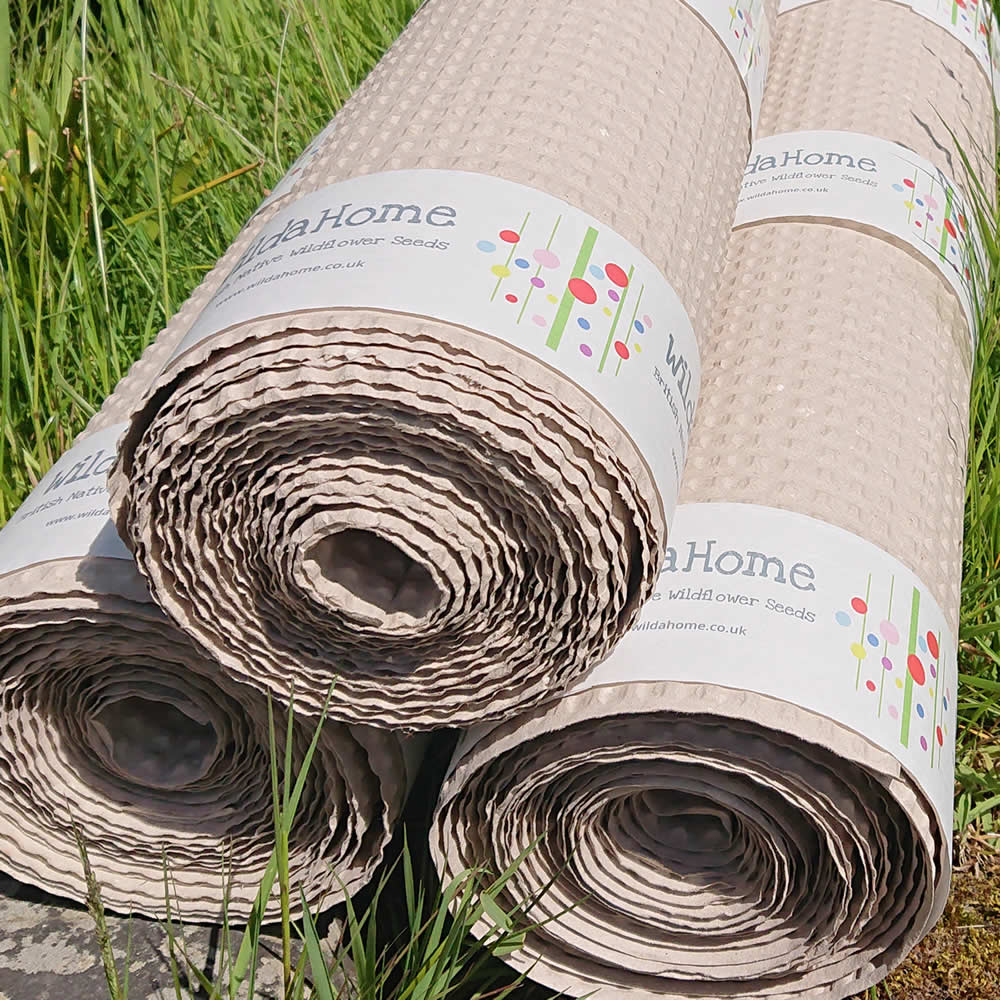
What is a Seed Mat?
What is Improver?
Bedstraw, Lady’s (Galium verum) Seeds
£168.00 inc VAT
Lady’s Bedstraw — a low-growing native perennial for dry, sunny meadow edges with dense golden flowers June to September and a distinctive honey scent.
🚚 UK delivery £5.95 per order
Larger area or a bespoke mix? Ask us for a quote →
About this product
Lady’s Bedstraw (Galium verum) is one of the most reliably attractive native perennials for a dry, sunny bank or meadow edge. Low and sprawling in habit, it produces dense clusters of small golden-yellow flowers from June through to September — one of the longest flowering periods of any native species. The flowers have a distinctive honey-like scent, particularly noticeable on warm evenings.
It is well suited to dry, free-draining soils — chalk, limestone, sandy ground, and coastal calcareous soils — and is a strong indicator species for low-nutrient, traditionally managed grassland. On suitable ground it spreads gently by rhizome, forming dense mats that suppress weeds and provide good ground-level cover for insects.
An important nectar source for small bees, hoverflies, and moths. The seed heads provide late-season food for finches and buntings. Historically, the dried plant was used to curdle milk for cheese-making — a useful indicator of just how widely it was once encountered in traditional farming landscapes.
Sow in autumn into a firm, exposed seedbed on low-nutrient soil. Cold stratification over winter improves germination rates. Suited to meadow species introduction, chalk grassland restoration, and dry bank planting.
Sourced from UK meadows. Sold as single-species seed.
Frequently asked questions
What soils and conditions does Lady's Bedstraw grow best in?
Lady's Bedstraw thrives in dry, free-draining soils — chalk, limestone, sandy ground, and coastal calcareous soils. It is a reliable indicator of low-nutrient, traditionally managed grassland. It does not perform well on fertile or waterlogged soils.
What wildlife does Lady's Bedstraw attract?
The flowers are an important nectar source for small bees, hoverflies, and moths across a long season from June to September. The seed heads provide late-season food for finches and buntings. Several moth species use it as a larval foodplant.
When and how should I sow Lady's Bedstraw seeds?
Sow in autumn into a firm, exposed seedbed on low-nutrient soil. Cold stratification over winter significantly improves germination rates. Surface sow or cover very lightly. The plant spreads gently by rhizome once established and flowers more freely from year two.
Can Lady's Bedstraw be used in chalk grassland restoration?
Yes — it is one of the most characteristic species of traditional chalk and limestone grassland. It is well suited to species introduction into existing chalk grassland, dry meadow restoration, and bank planting on calcareous soils. It establishes slowly but persists reliably once established.
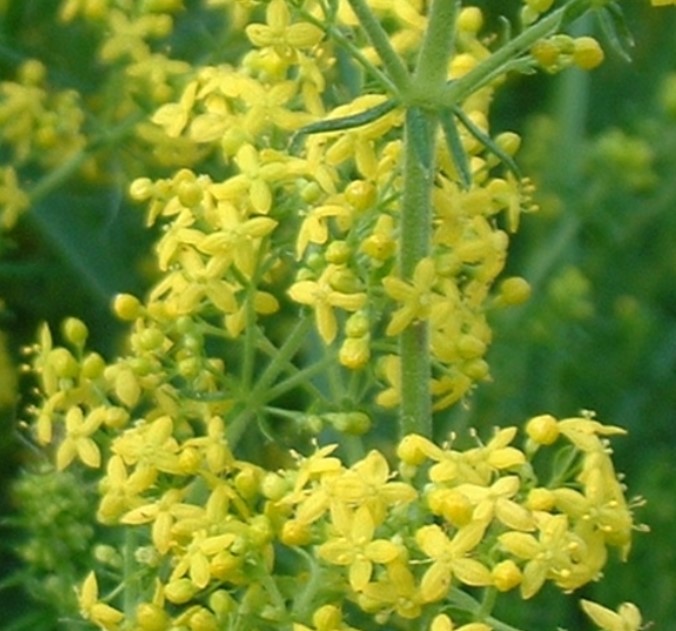
True to its peculiar name, ‘Lady’s Bedstraw’ presents its treasures in a wild and unrefined style, showcasing abundant whorls and clusters of petite, golden blooms. This plant is renowned for its vibrant visual appeal and its unique and delightful fragrance, which remains pronounced even after the flowers have dried. As a robust and sprawling species, Lady’s Bedstraw makes an excellent addition to any wild garden, providing a natural and aesthetically pleasing ground cover that’s both hardy and enchanting.
Ground Preparation
Sowing
Aftercare: Year 1 & Once Established
- Type: Perennial
- Height: 15-30cm
- Flowers: June-September
- Best Sown: Autumn
- Soil Requirement: Well-drained
- Light Requirement: Full sun or partial shade
- Natural Habitat: Grassy meadows, road verges, clifftops and hills
- Also known as: Maiden’s Hair, Fenwort, Cheese Rennet
- Seeds per gram: 1600 (approx)