

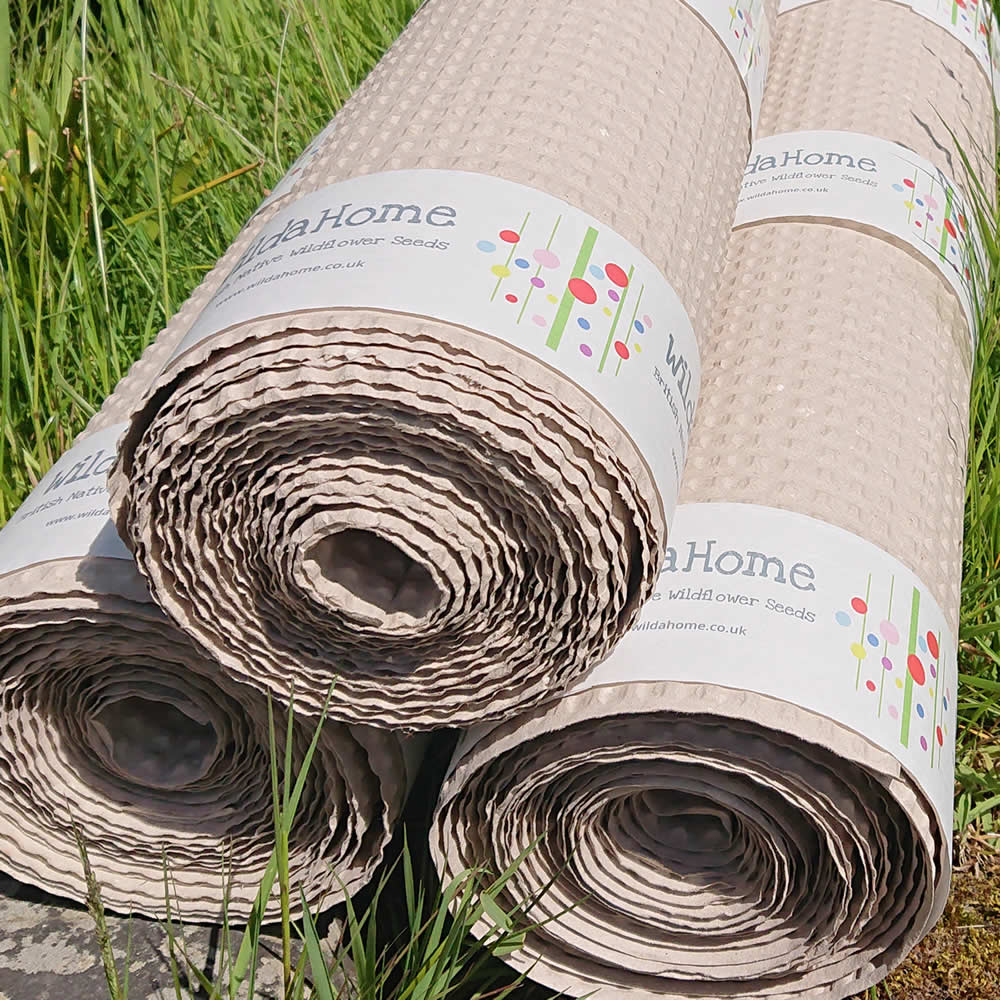
What is a Seed Mat?
What is Improver?
Bee & Butterfly Wildflower Meadow Mix
£34.80 – £6,960.00Price range: £34.80 through £6,960.00 inc VAT
Specifically chosen for pollinator value — a 25-species British native mix that provides continuous nectar and pollen from April right through to October.
🚚 UK delivery £5.95 per order
Larger area or a bespoke mix? Ask us for a quote →
About this product
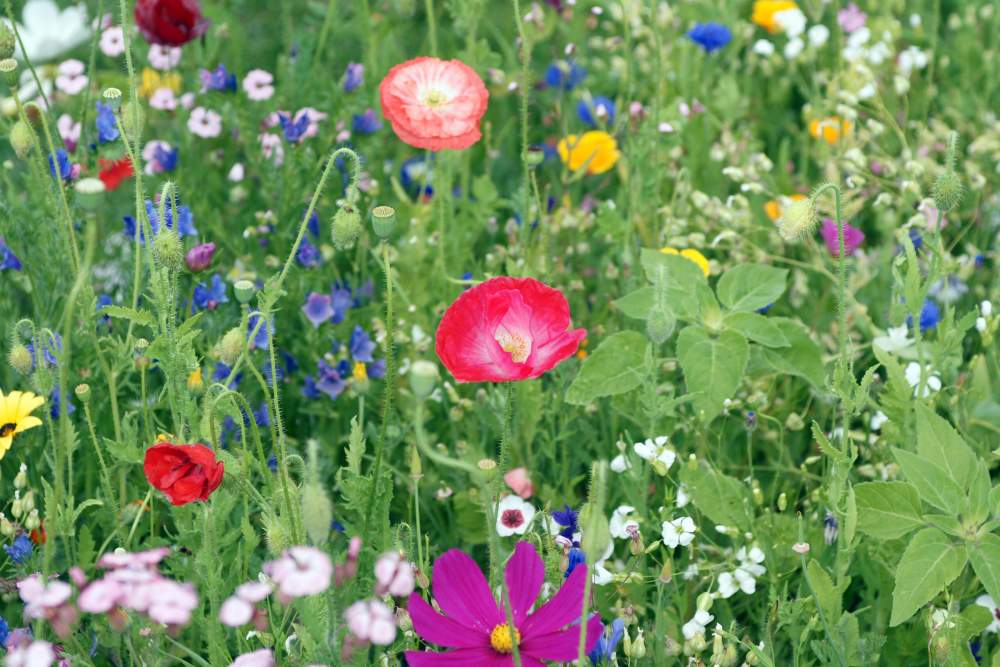
The Bee & Butterfly mix does one thing particularly well — it keeps something flowering from April through to October, with species chosen for their nectar and pollen value to bees, butterflies, and hoverflies specifically.
Twenty-five native wildflower species, a mix of perennials, annuals, and biennials, give a layered display with good cover at different heights through the season. Late-flowering species are included deliberately — August and September can be lean months for pollinators, and this mix holds production into autumn when other sources dry up.
Well suited to garden borders, school grounds, community spaces, and habitat strips where the wildlife outcome matters as much as the visual result. Sow at 3g per square metre into low-nutrient, weed-free, exposed soil. Spring and early autumn sowings both establish well. Heights range from 15cm to 120cm.
Sourced from our own meadows and UK partner farms. 100% wildflowers — no grasses, no cultivars.
Frequently asked questions
What makes the Bee and Butterfly mix different from a general wildflower mix?
Every species in this mix has been chosen specifically for its nectar and pollen value to bees, butterflies, and hoverflies. The selection deliberately includes late-flowering species to maintain forage into August and September, when other wildflower sources dry up.
Which bees and butterflies does this mix attract?
The mix supports a wide range of bumblebee species, solitary bees, common butterfly species including Small Tortoiseshell and Meadow Brown, and numerous hoverfly species. The 25-species composition provides food and habitat at different heights and times across the season.
Where can I sow the Bee and Butterfly Wildflower Mix?
It works well in garden borders, school grounds, community spaces, and habitat strips. Sow at 3g per square metre into low-nutrient, weed-free, exposed soil. Heights range from 15cm to 120cm, making it suitable for a range of border sizes. Spring and early autumn sowings both establish well.
How quickly will I see bees and butterflies after sowing?
Annual species will flower and attract pollinators in year one. Perennial species build in the first season and increase their value from year two onwards. A site with good soil preparation — low nutrients and bare exposed ground — will establish faster and deliver stronger results.
Agrimony, Common (Agrimonia eupatoria), Borage (Borago officinalis), Clary, Wild (Salvia verbenaca), Clover, Red (Trifolium pratense), Clover, White (Trifolium repens), Corn Cockle (Agrostemma githago), Cornflower (Centaureacyanus), Daisy, Ox-eye (Leucanthemum vulgare), Foxglove, Wild (Digitalis purpurea), Knapweed, Common (Centaurea nigra), Knapweed, Greater (Centaurea scabiosa), Loosestrife, Purple (Lythrum salicaria), Marjoram, Wild (Origanum vulgare), Meadow Cranesbil (Geranium pratense), Musk Mallow (Malva moschata), Poppy, Common (Papaver rhoeas), Ragged Robin (Lychnis flos-cuculi), Sainfoin (Onobrychis viciifolia), Scabious, Field (Knautia arvensis), Scabious, Small (Scabiosa columbaria), Teasel (Dipsacus fullonum), Trefoil, Bird’s-foot (Lotus corniculatus), Vetch, Kidney (Anthyllis vulneraria), Viper’s Bugloss (Echium vulgare), Yarrow (Achillea millefolium), Yellow Rattle (Rhinanthus minor)
Ground Preparation
Sowing
Aftercare: Year 1 & Once Established
Flower Colours: Varied
Plant Height: up to 2 metres
Flowering Season: May to October
Setting: Range of soil types
Seed Mat