

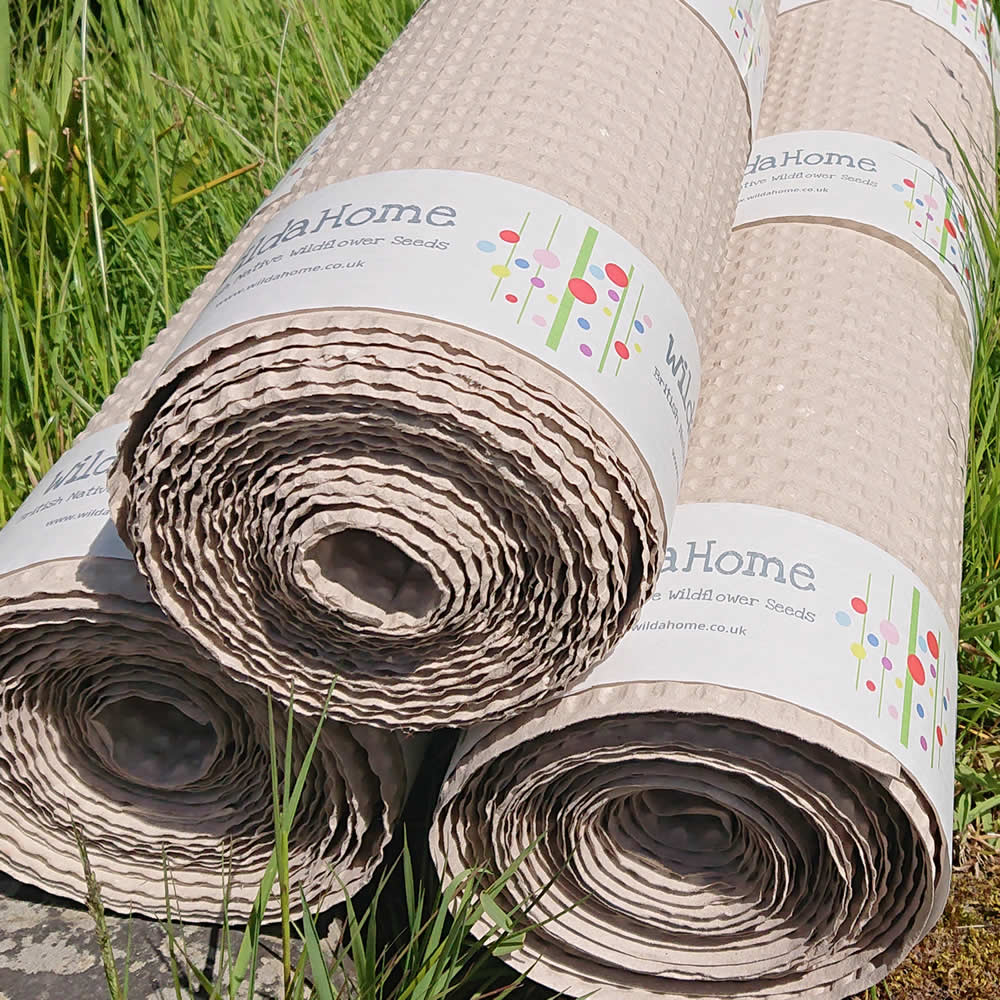
What is a Seed Mat?
What is Improver?
Chalk & Limestone Wildflower Meadow Mix
£30.00 – £6,960.00Price range: £30.00 through £6,960.00 inc VAT
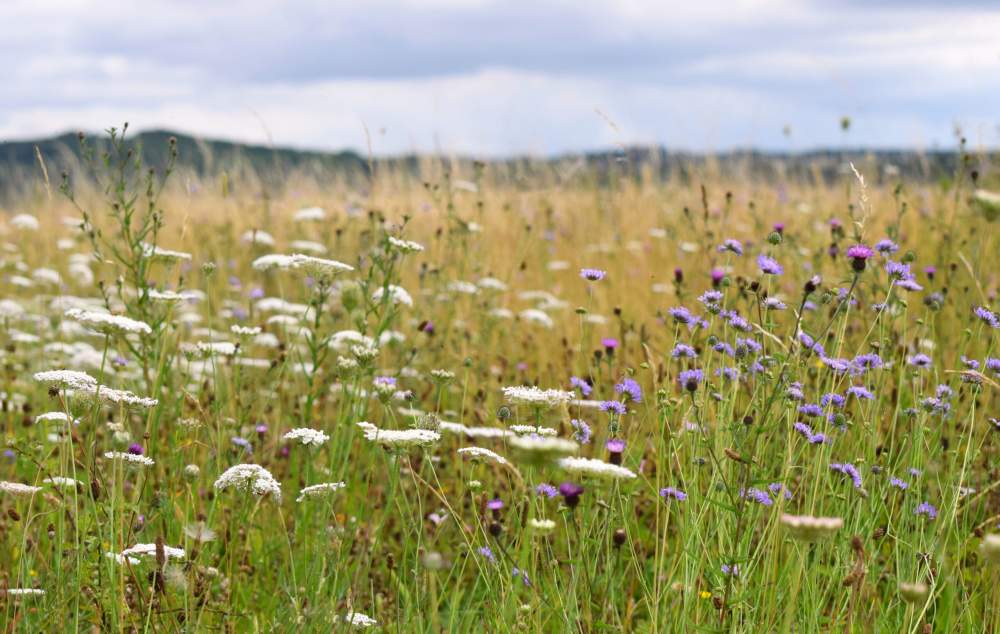
23 native species selected for chalk and calcareous soils — one of Britain’s richest wildflower communities, with excellent bee and butterfly value.
🚚 UK delivery £5.95 per order
Larger area or a bespoke mix? Ask us for a quote →
About this product
Chalk grassland is one of Britain’s most biodiverse habitats, and it’s built on low-fertility, free-draining alkaline soil. The Chalk & Limestone mix is species-selected for exactly these conditions — 23 native wildflowers that thrive where nutrients are poor and the pH is high.
Species in this mix include plants strongly associated with traditional chalk downland — Wild Thyme, Salad Burnet, Common Rockrose, and others that support specialist pollinators found nowhere else. Flowering runs from April to October, with heights ranging from 10cm to 200cm.
Sow at 3g per square metre into exposed chalk or limestone soil. Chalk ground often requires little preparation beyond surface scarification — its natural low fertility is an advantage. Avoid adding organic matter or topsoil before sowing. Autumn sowing suits this mix well and allows cold stratification of perennial seed. Expect good establishment in year one and a strengthening display from year two.
Sourced from UK meadows and partner farms. 100% wildflowers, matched to the habitat.
Frequently asked questions
What soils is the Chalk and Limestone Wildflower Mix designed for?
It is designed for chalk, limestone, and other calcareous soils — typically free-draining, alkaline, and naturally low in fertility. These conditions support some of Britain's richest wildflower communities, and this mix is species-matched to thrive in them.
Which wildflower species are included in the Chalk and Limestone mix?
The mix includes 23 native species strongly associated with chalk downland, including Wild Thyme, Salad Burnet, and Common Rockrose. These plants support specialist pollinators — including rare bumblebee and butterfly species — that are found in few other habitats.
How do I prepare chalk or limestone soil for sowing wildflowers?
Chalk ground often needs little preparation beyond surface scarification to expose bare soil. Do not add organic matter, compost, or topsoil before sowing — chalk's natural low fertility is its greatest asset for wildflower establishment. Sow at 3g per square metre, ideally in autumn.
How quickly does the Chalk and Limestone mix establish?
Chalk soils warm quickly and drain freely, which can favour faster germination. Some species will establish in year one, with the full perennial display developing from year two. Autumn sowing allows natural cold stratification and typically gives the strongest establishment.
Agrimony, Common, (Agrimonia eupatoria), Bedstraw, Hedge, (Galium mollugo), Bedstraw, Lady’s, (Galium verum), Black Medick, (Medicago lupulina), Burnet, Salad, (Sanguisorba minor), Carrot, Wild, (Daucus carota), Cowslip, (Primula veris), Daisy, Ox-eye, (Leucanthemum vulgare), Dropwort, (Filipendula vulgaris), Goat’s-beard, (Tragopogon pratensis), Knapweed, Common, (Centaurea nigra), Knapweed, Greater, (Centaurea scabiosa), Marjoram, Wild, (Origanum vulgare), Meadowsweet, (Filipendula ulmaria), Plantain, Hoary, (Plantago media), Sainfoin, (Onobrychis viciifolia), Scabious, Field, (Knautia arvensis), Scabious, Small, (Scabiosa columbaria), Self-heal, (Prunella vulgaris), Toadflax, Common, (Linaria vulgaris), Trefoil, Bird’s-foot, (Lotus corniculatus), Vetch, Kidney, (Anthyllis vulneraria), Yarrow, (Achillea millefolium)
Ground Preparation
Sowing
Aftercare: Year 1 & Once Established
Flower Colours: Varied
Plant Height: up to 2 metre
Flowering Season: April to October
Setting: Chalk and Limestone