

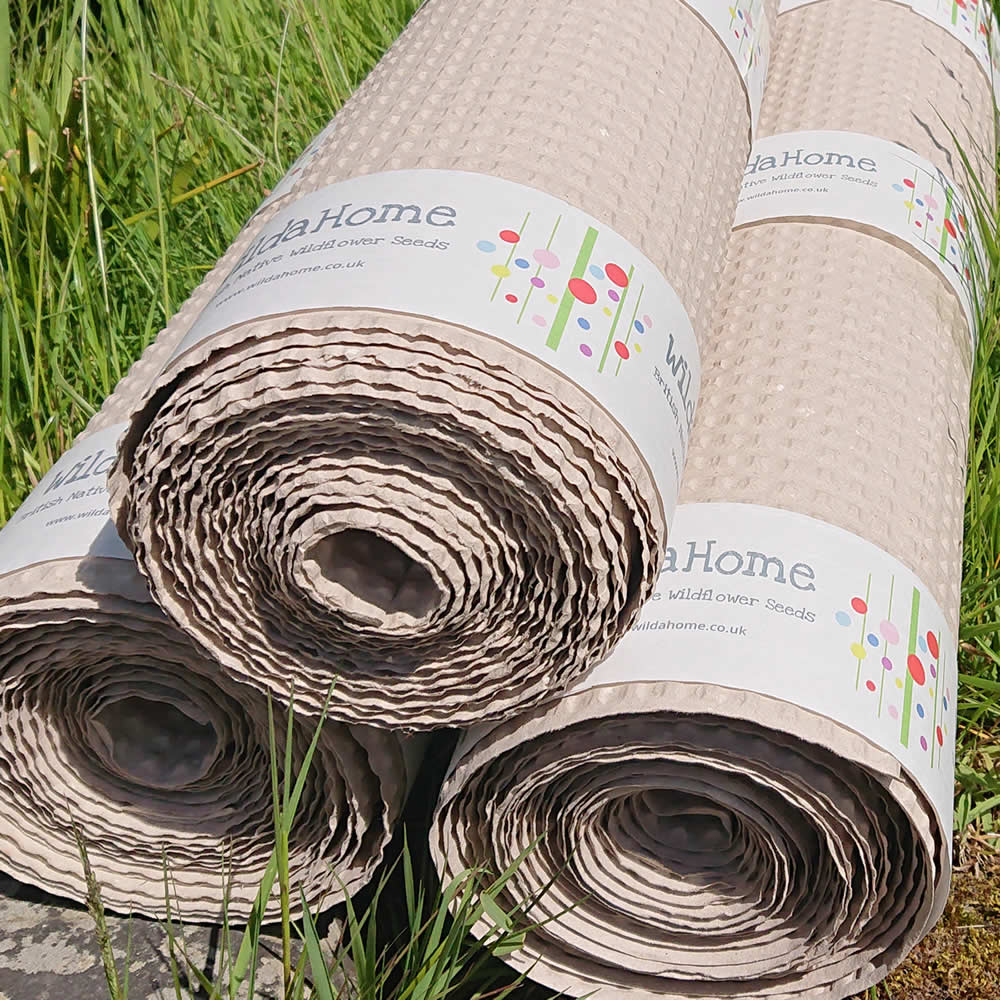
What is a Seed Mat?
What is Improver?
Heavy Clay Soils 80/20 Meadow Mix
£19.50 – £2,136.00Price range: £19.50 through £2,136.00 inc VAT
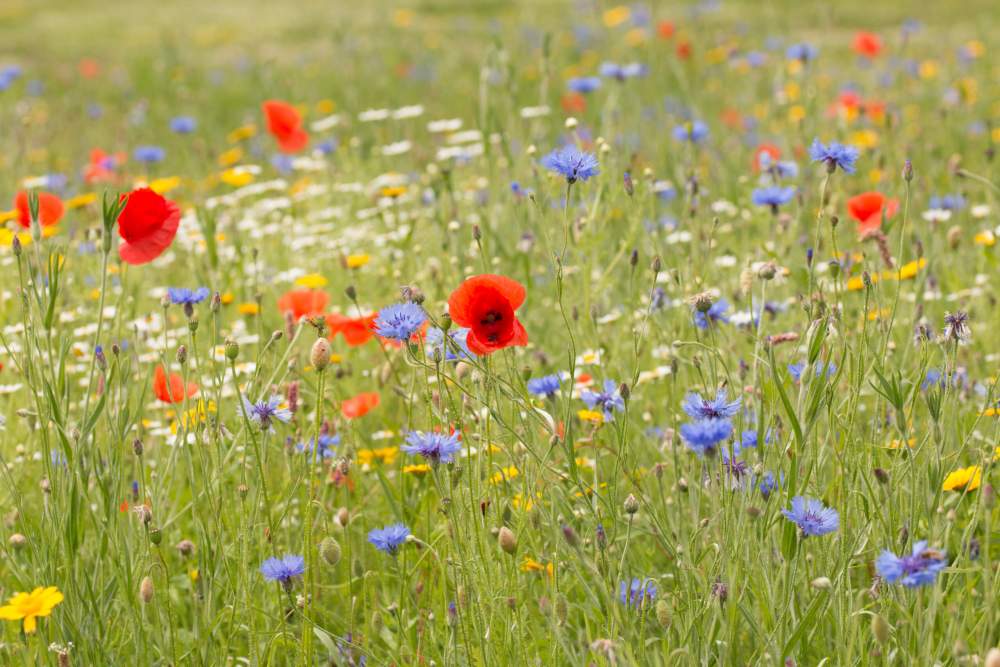
Establishing a wildflower meadow on heavy clay is challenging — the soil holds water in winter, bakes hard in summer, and drains slowly. The Heavy Clay 80/20 mix addresses this with fine native grasses and a 20% wildflower component both selected specifically for clay-based conditions. The grass matrix improves ground stability and helps the mix handle the extremes clay soils present.
Suitable for garden meadows on London clay and similar heavy soils, farm margins on clay-heavy land, and amenity restoration where previous seeding attempts have failed. The mix builds insect habitat and provides seasonal colour as it establishes.
Sow at 5g per square metre into a thoroughly scarified, fine seedbed. Avoid sowing into waterlogged or compacted ground — clay must be workable before sowing. Early autumn sowing (August–September) works well, giving the mix time to stratify over winter. Expect steady establishment in year one with clear improvement from year two.
Sourced from UK meadows and partner farms. 100% British native species.
Frequently asked questions
Why do I need a specialist mix for heavy clay soil?
Heavy clay holds water in winter and bakes hard in summer — extremes that most standard wildflower mixes do not handle well. The Heavy Clay 80/20 mix uses native grasses and wildflowers both selected specifically for clay-based conditions, giving far better establishment than a general-purpose mix on this ground.
Does the grass component help on clay soil?
Yes — the 80% native grass matrix improves surface stability and structure on clay, helping the mix handle the wet-dry cycle without poaching or cracking. It also makes the meadow more resilient during the first season when clay soils can be particularly challenging for establishing wildflowers.
How should I prepare clay soil and sow this mix?
Scarify thoroughly to break up the surface and create a fine, firm seedbed. Avoid sowing into waterlogged or compacted ground. Early autumn sowing (August to September) works well on clay, allowing the mix to stratify over winter. Sow at 5g per square metre. Do not add grit or organic matter — work with the soil.
How long does it take to establish a wildflower meadow on clay?
Clay soils slow establishment compared to lighter ground. The grass matrix builds cover in year one. Wildflowers strengthen from year two, and the meadow delivers a noticeably improved display from year two onwards with correct annual management — a single late-summer cut, cuttings removed.
Alsike Clover, (Trifolium hybridum), Agrimony, Common, (Agrimonia eupatoria), Bedstraw, Lady’s, (Galium verum), Betony, (Stachys officinalis), Birdsfoot Trefoil, (Lotus corniculatus), Black Medick, (Medicago lupulina), Burnet, Salad, (Sanguisorba minor), Buttercup, Meadow, (Ranunculus acris), Campion, White, (Silene alba), Carrot, Wild, (Daucus carota), Clary, Wild, (Salvia verbenaca), Cowslip, (Primula veris), Daisy, Ox-eye, (Leucanthemum vulgare), Knapweed, Common, (Centaurea nigra), Knapweed, Greater, (Centaurea scabiosa), Meadowsweet, (Filipendula ulmaria), Plantain, Hoary, (Plantago media), Plantain, Ribwort, (Plantago lanceolata), Poppy, Common, (Papaver rhoeas), Ragged Robin, (Lychnis flos-cuculi), Ribwort Plantain, (Plantago lanceolata), Sanfoin, Scabious, Field, (Knautia arvensis), Self-heal, (Prunella vulgaris), Sorrel, Common, (Rumex acetosa), Vetch, Tufted, (Vicia cracca), Wild Carrot, (Daucus carota), Yarrow, (Achillea millefolium), Yellow-rattle, (Rhinanthus minor), Hard fescue, Slender Creeping red fescue, Timothy, Chewing’s fescue, Strong Creeping red fescue, Smooth-stalked meadow, Sheeps fescue, Tall oat, Meadow foxtail,
Ground Preparation
Sowing
Aftercare: Year 1 & Once Established
Flower Colours: Varied
Plant Height: up to 2 metres
Flowering Season: April to October
Setting: Heavy Clay Soils