

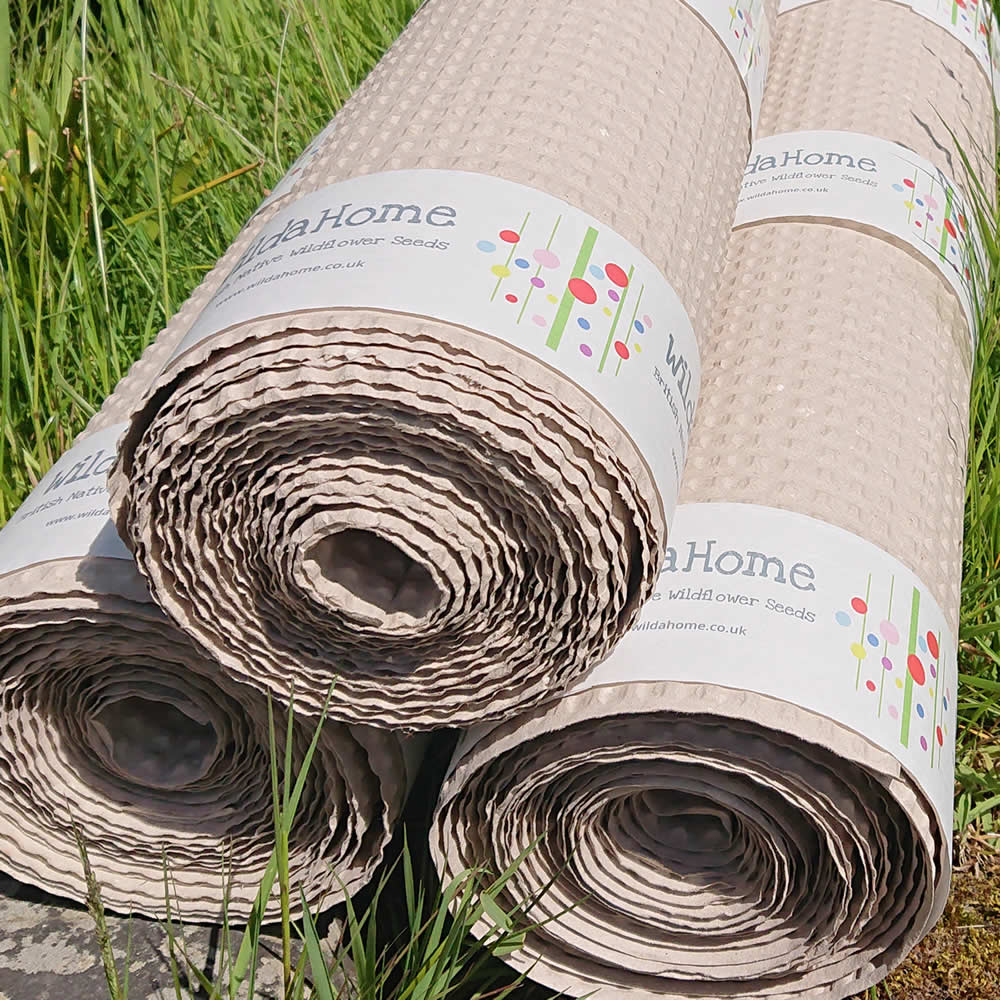
What is a Seed Mat?
What is Improver?
Chalk & Limestone 80/20 Meadow Mix
£19.50 – £2,146.80Price range: £19.50 through £2,146.80 inc VAT
An 80/20 mix for chalk and limestone soils — native fine grasses with 20% specialist wildflowers for one of Britain’s most biodiverse meadow habitats.
🚚 UK delivery £5.95 per order
Larger area or a bespoke mix? Ask us for a quote →
About this product
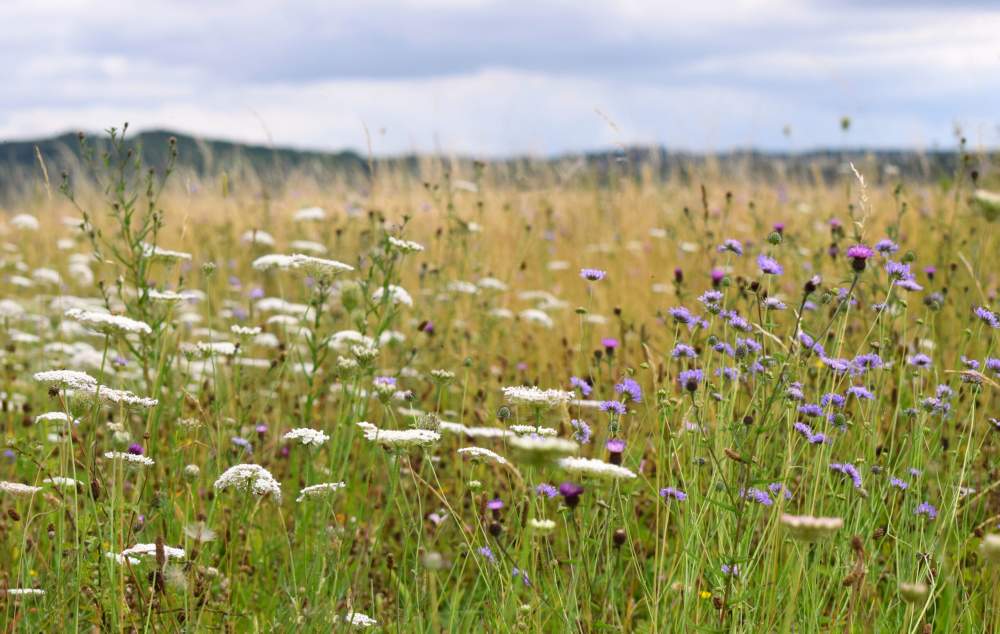
The Chalk & Limestone 80/20 mix recreates the structure of traditional chalk downland — fine native grasses forming the low, tight sward matrix, with a 20% native wildflower component of species specifically selected for calcareous, free-draining, alkaline soil.
Chalk downland supports some of Britain’s rarest plants and insects. The wildflower species in this mix include plants strongly associated with this habitat — Wild Thyme, Salad Burnet, and others that support specialist pollinators, including rare bumblebee and butterfly species. The grass matrix gives the meadow the open, structured character typical of traditional downland.
Sow at 5g per square metre into exposed chalk or limestone soil. Do not add organic matter or topsoil before sowing. Surface scarification is usually all that’s needed on chalk ground. Autumn sowing is preferred. Cut once in late summer and remove all cuttings — essential for maintaining the low-fertility conditions that chalk wildflowers depend on.
Sourced from UK meadows and partner farms. 100% British native species.
Frequently asked questions
What soils is the Chalk and Limestone 80/20 mix designed for?
It is designed for chalk, limestone, and other calcareous soils — free-draining, alkaline, and naturally low in fertility. Both the grass and wildflower components are selected for these conditions, giving the mix far better establishment on chalk ground than a general-purpose mix.
What wildflower species are in the chalk downland component?
The wildflower component includes species strongly associated with traditional chalk downland — Wild Thyme, Salad Burnet, Common Rockrose, and others. These support specialist pollinators including rare bumblebee and butterfly species that depend on chalk habitats.
How do I establish the Chalk and Limestone 80/20 mix?
Sow at 5g per square metre into exposed chalk or limestone soil. Do not add organic matter or topsoil — chalk's natural low fertility is its greatest asset. Surface scarification is usually sufficient. Autumn sowing is preferred. Cut once in late summer and remove all cuttings to maintain low fertility.
Why use an 80/20 mix on chalk grassland rather than a 100% wildflower mix?
The native grass matrix replicates the tight, open sward structure of traditional chalk downland more accurately than a wildflower-only mix. On larger chalk sites, the structured sward also resists colonisation by coarser grasses and scrub more effectively over time.
Agrimony, Common, (Agrimonia eupatoria), Alsike Clover, (Trifolium hybridum), Bedstraw, Hedge, (Galium mollugo), Bedstraw, Lady’s, (Galium verum), Birdsfoot Trefoil, (Lotus corniculatus), Black Medick, (Medicago lupulina), Burnet, Salad, (Sanguisorba minor), Carrot, Wild, (Daucus carota), Cowslip, (Primula veris), Daisy, Ox-eye, (Leucanthemum vulgare), Dropwort, (Filipendula vulgaris), Goat’s-beard, (Tragopogon pratensis), Knapweed, Common, (Centaurea nigra), Knapweed, Greater, (Centaurea scabiosa), Marjoram, Wild, (Origanum vulgare), Meadowsweet, (Filipendula ulmaria), Plantain, Hoary, (Plantago media), Red Clover, (Trifolium pratense), Ribwort Plantain, (Plantago lanceolata), Sainfoin, (Onobrychis viciifolia), Scabious, Field, (Knautia arvensis), Scabious, Small, (Scabiosa columbaria), Self-heal, (Prunella vulgaris), Toadflax, Common, (Linaria vulgaris), Trefoil, Bird’s-foot, (Lotus corniculatus), Vetch, Kidney, (Anthyllis vulneraria), Wild Carrot, (Daucus carota), Yarrow, (Achillea millefolium), Hard fescue, Slender Creeping red fescue, Timothy, Chewing’s fescue, Strong Creeping red fescue, Smooth-stalked meadow, Sheeps fescue, Tall oat, Meadow foxtail
Ground Preparation
Sowing
Aftercare: Year 1 & Once Established
Flower Colours: Varied
Plant Height: up to 2 metres
Flowering Season: April to October
Setting: Chalk and Limestone