

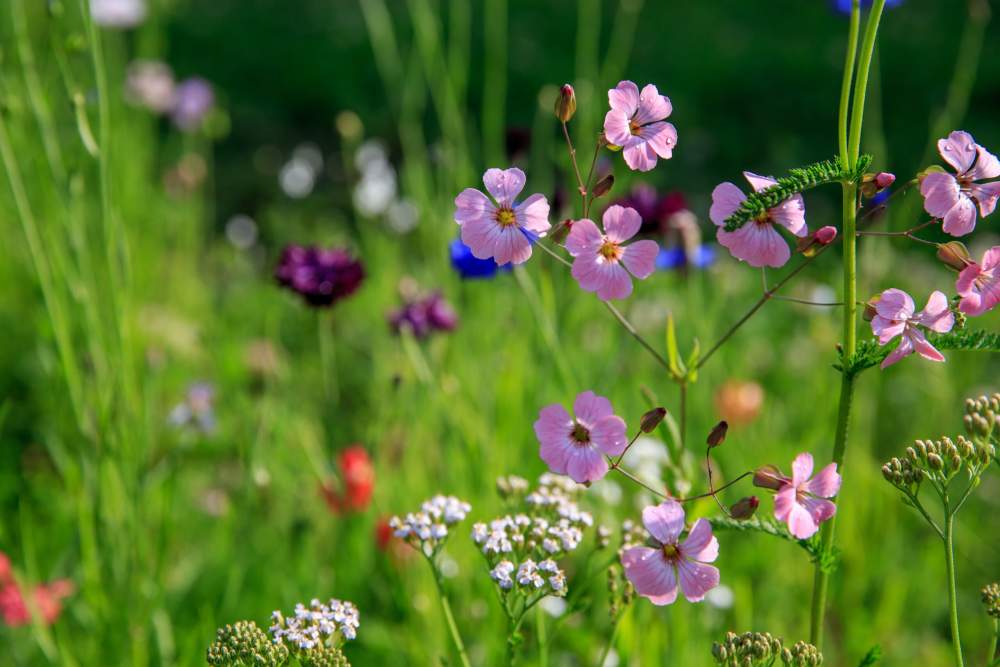
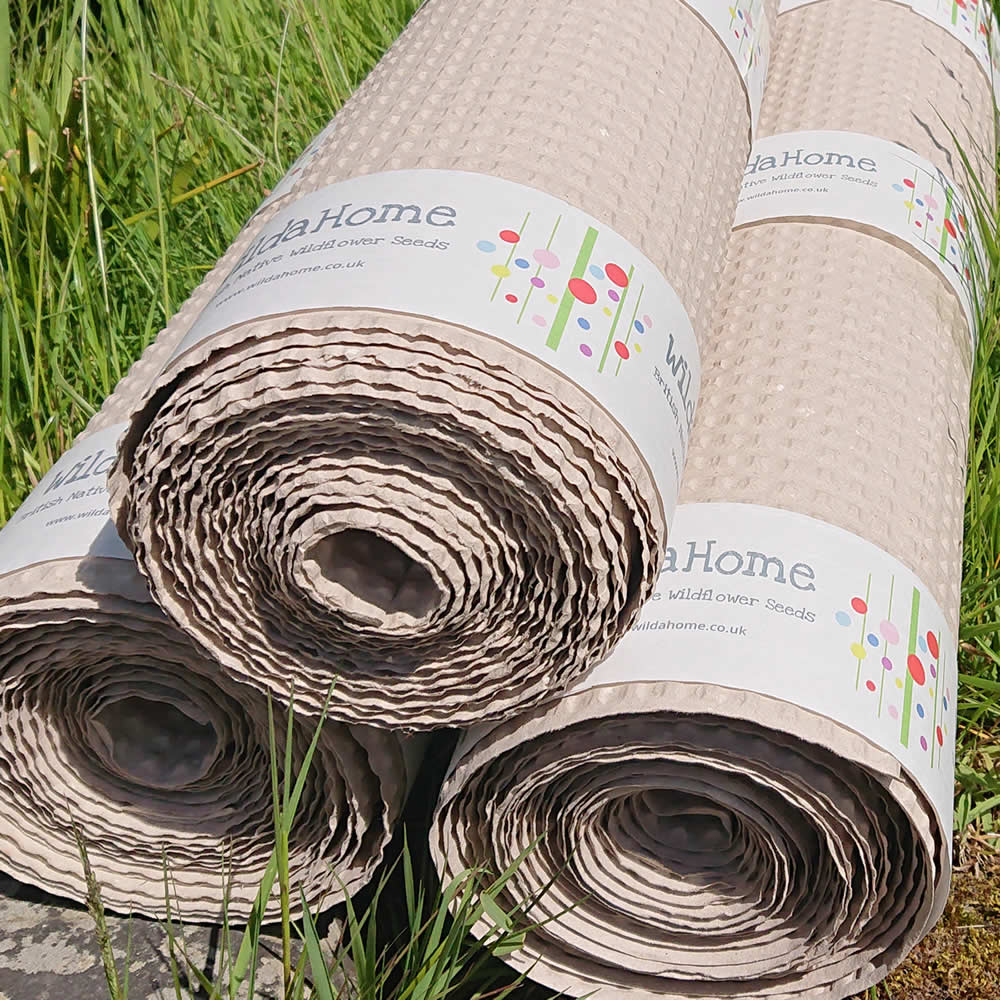
What is a Seed Mat?
What is Improver?
Loam & Alluvial 80/20 Meadow Mix
£19.20 – £2,157.60Price range: £19.20 through £2,157.60 inc VAT
Loam and alluvial soils are productive and moisture-retentive — conditions that strongly favour grasses over wildflowers if the mix isn’t matched to the ground. The Loam & Alluvial 80/20 mix addresses this with fine native grasses and a 20% wildflower component both selected for performance on richer soils, delivering a traditional meadow character across a long season.
Suits river floodplain meadows, allotment and kitchen garden margins, deep loam garden borders, and land adjacent to watercourses. Species that tolerate occasional flooding are included, making it suitable for ground that sits in a low-lying position. Provides seasonal colour and wildlife habitat for bees, hoverflies, and butterflies.
Sow at 5g per square metre into a thoroughly scarified, firm seedbed. On fertile loam, suppressing existing vegetation before sowing is critical — richer soils create stronger grass competition. Spring or early autumn sowing both work. A late-summer cut and removal of cuttings is the key annual management step for maintaining wildflower content on fertile ground.
Sourced from Wildahome’s own meadows in Devon and Powys and UK partner farms. 100% British native species.
Frequently asked questions
What soils is the Loam and Alluvial 80/20 Meadow Mix designed for?
It is designed for deep loam, alluvial, and river floodplain soils — fertile, moisture-retentive ground where grasses strongly dominate if the mix is not matched to the conditions. Both the grass and wildflower components are selected to perform on richer soils where standard mixes can be overwhelmed by vigorous grass growth.
What sites is this mix well suited to?
It suits river floodplain meadows, allotment margins, deep loam garden borders, and land adjacent to watercourses. Species that tolerate occasional flooding are included, making it appropriate for low-lying ground that sits in a floodplain or near a stream.
How do I establish the Loam and Alluvial 80/20 mix on fertile ground?
Thorough ground preparation is critical on fertile soils. Suppress existing vegetation fully, scarify to expose bare soil, and create a firm seedbed. On particularly rich ground, consider cutting the sward in late summer before sowing to reduce nutrient levels. Sow at 5g per square metre in spring or early autumn.
What wildlife does the Loam and Alluvial mix support?
The wildflower component provides forage for bees, hoverflies, and butterflies across a long season from early spring to October. The grass matrix supports ground-nesting invertebrates and provides cover for small mammals and birds. On floodplain sites, the mix also benefits wetland-edge species.
Bedstraw, Lady’s, (Galium verum), Birdsfoot Trefoil, (Lotus corniculatus), Black Medick, (Medicago lupulina), Buttercup, Bulbous, (Ranunculus bulbosus), Buttercup, Meadow, (Ranunculus acris), Campion, Bladder, (Silene vulgaris), Campion, White, (Silene alba), Carrot, Wild, (Daucus carota), Red Clover, (Trifolium pratense), Cowslip, (Primula veris), Daisy, Ox-eye, (Leucanthemum vulgare), Forget-me-not, Field, (Myosotis arvensis), Hawkbit, Rough, (Leontodon hispidus), Knapweed, Common, (Centaurea nigra), Mignonette, Wild, (Reseda lutea), Plantain, Hoary, (Plantago media), Plantain, Ribwort, (Plantago lanceolata), Sanfoin, Scabious, Field, (Knautia arvensis), Self-heal, (Prunella vulgaris), Sorrel, Common, (Rumex acetosa), St John’s-wort, Common, (Hypericum perforatum), Toadflax, Common, (Linaria vulgaris), Trefoil, Bird’s-foot, (Lotus corniculatus), Viper’s Bugloss, (Echium vulgare), Wild Carrot, (Daucus carota), Yarrow, (Achillea millefolium), Yellow Oat, (Trisetum flavascens), Hard fescue, Slender Creeping red fescue, Timothy, Chewing’s fescue, Strong Creeping red fescue, Smooth-stalked meadow, Sheeps fescue, Tall oat, Meadow foxtail
Ground Preparation
Sowing
Aftercare: Year 1 & Once Established
Flower Colours: Varied
Plant Height: up to 2 metres
Flowering Season: April to October
Setting: Loam and Alluvial Soils