

Thin Pickings Donkey Grazing Mix
£160.00 – £234.00Price range: £160.00 through £234.00 inc VAT
A lean, ryegrass-free paddock mix of fine-leaved native-type grasses, made for donkeys and good-doer native ponies that need fibre without the sugar.
🚚 UK delivery £7.96 per order inc VAT for 10–20kg sacks, however many you order (small seed packs £7.14)
Larger area or a bespoke mix? Ask us for a quote →
About this product
Thin Pickings is the leanest mix in our horse and donkey range. It is built almost entirely from fine-leaved fescues with Timothy, browntop bent and a touch of Yorkshire fog. There is no perennial ryegrass, no clover and no added herbs, so the sward stays fibrous and slow-growing rather than lush and sugary.
Why this mix suits donkeys
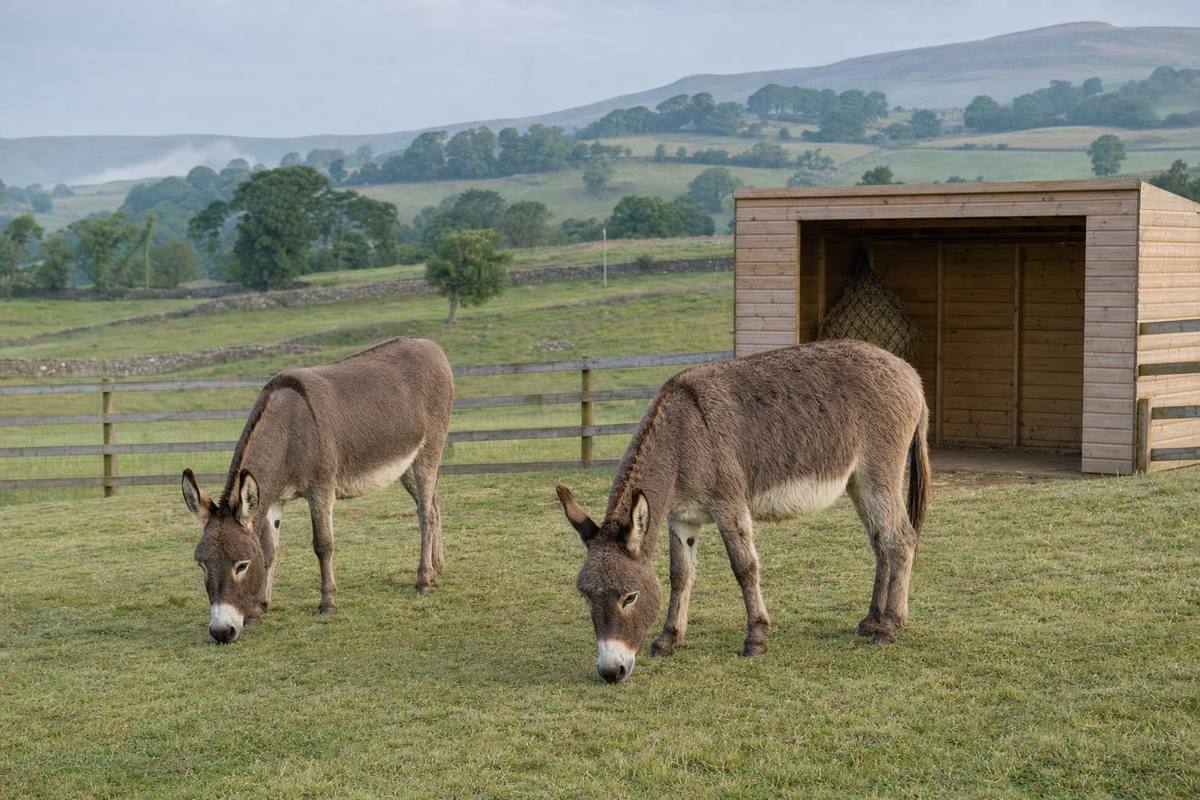
Donkeys evolved on sparse, dry scrubland. In the UK they put on weight easily and are prone to laminitis and hyperlipaemia, so The Donkey Sanctuary recommends a straw-based diet with restricted grazing. A paddock sown with Thin Pickings gives donkeys somewhere to walk, browse and graze for part of the day without the high-sugar flush of a ryegrass ley. It is our first recommendation for donkey paddocks, and works equally well for native ponies, retired horses and laminitis-prone good-doers.
What success looks like
Fine fescues are slower to establish than ryegrass, so expect a thinner-looking sward in the first summer. By the second year the fescues knit into a dense, hard-wearing turf that copes with hooves and recovers well from close grazing. It will never be a high-yield field, and that is the point.
Do this / avoid this
- Do strip-graze or use a track system so donkeys only access part of the paddock at a time
- Do keep a straw ration available alongside grazing
- Avoid fertiliser and manure, which push the sward back towards lush, sugary growth
- Avoid grazing new sowings until the grass is well rooted (usually 8–12 weeks)
Frequently asked questions
Is Thin Pickings suitable for donkeys?
Yes. It is our recommended mix for donkeys. It contains no ryegrass, clover or herbs, so it produces a lean, fibrous sward. Donkeys should still have restricted access to grazing and a straw-based diet, as advised by The Donkey Sanctuary.
Which pack size do I need?
Choose the 10kg overseeding pack to thicken an existing paddock of about one acre. Choose the 15kg pack to sow one acre of bare ground from scratch.
Why is there no ryegrass in this mix?
Perennial ryegrass is bred for high yield and can carry high levels of sugar. That suits working stock but not donkeys or ponies prone to weight gain and laminitis. Fine fescues give a slower, more fibrous bite.
How long before I can graze a new sowing?
Wait until the grass is well rooted and has been cut or topped at least once, usually 8–12 weeks after germination. Start with short, light grazing sessions so hooves don't pull out young plants.
Chewings Fescue, (Festuca rubra commutata) 30%, Sheep’s Fescue, (Festuca ovina) 20%, Timothy, (Phleum pratense) 20%, Slender Creeping Red Fescue, (Festuca rubra litoralis) 20%, Browntop Bent, (Agrostis capillaris) 8%, Yorkshire Fog, (Holcus lanatus) 2%
Ground Preparation
Sowing
Aftercare: Year 1 & Once Established
Mix Type: Ryegrass-free grass mix, no herbs or clover
Suitable For: Donkeys, native ponies, laminitis-prone horses
Sowing Rate: 10kg/acre overseed; 15kg/acre new sowing
Best Sowing Time: March to May or September to October
Setting: Full sun or partial shade