More help choosing
Choosing bulbs by season
Everything in this category is planted in autumn. Flowering then runs
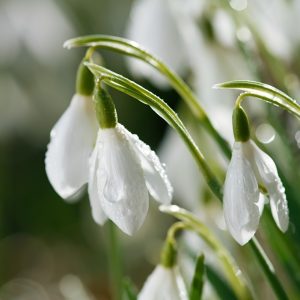
in sequence — Winter Aconite and Snowdrop first (January–March), then
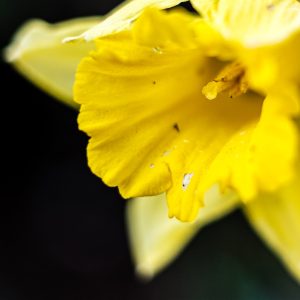
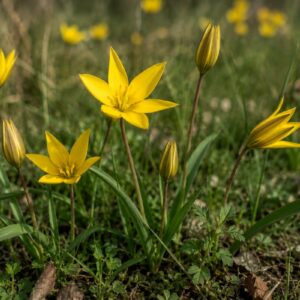
Wild Daffodil and Tenby Daffodil (March–April), Wild Tulip
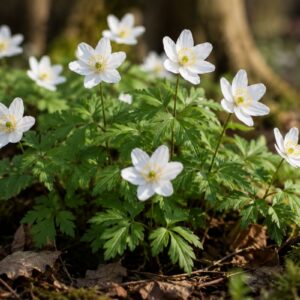
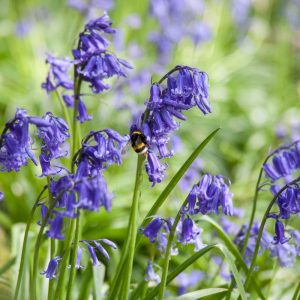
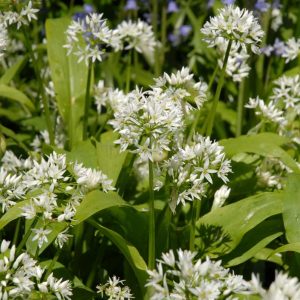
(March–April), Wood Anemone (April–May), Bluebell and Wild Garlic
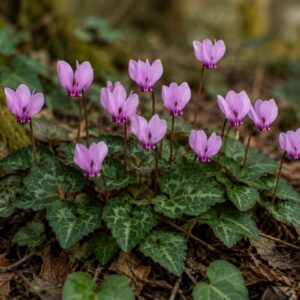
(April–June). Wild Cyclamen is the exception, flowering later in the
year — see the product page for its listed months. Planting a run of
species gives colour from the turn of the year until the seed mixes take
over in May.
Choosing bulbs by site
- Rough grass, orchards and lawn edges: Snowdrop,
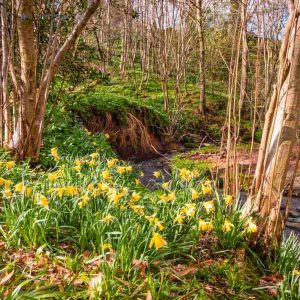
Wild Daffodil and Tenby Daffodil naturalise in grass; leave the foliage
to die back naturally before the first cut.
- Woodland floor, hedge bottoms and shade under deciduous
trees: Bluebell, Wild Garlic, Wood Anemone and Snowdrop want
moist, humus-rich soil that is bright in spring and shaded in
summer.
- Banks and free-draining ground: the daffodils
prefer well-drained soil.
- Borders and garden naturalising: Winter Aconite and
Wild Cyclamen are non-native but long-established garden plants; use
them where a native-only planting is not the aim.
Read the Further Information panel on each product: it lists
flowering months, height, bulb size and origin.
Why depth, spacing,
drainage and light matter
Bulbs fail for three reasons: planted too shallow (they dry out or
heave), planted in waterlogged ground (they rot), or planted where
summer shade is too dense for the leaves to feed the bulb. As a rule the
planting hole should be about three times the height of the bulb,
spacing 5–15 cm depending on species, and the soil moist but
free-draining. Each product page gives the exact figures for that
species — follow those rather than a general rule.
Individual species or a
collection?
Single-species packs let you plant in drifts of one flower, which is
how these plants grow in the wild and how they look best. The two
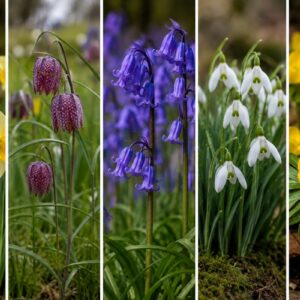
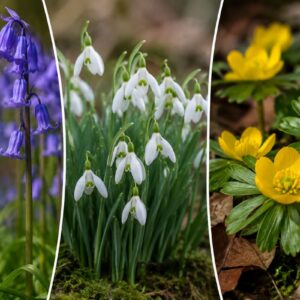
collections — Wildflower Favourites (Bluebell, Snowdrop, Winter Aconite)
and Woodland Wildflower (Wild Daffodil, Snake’s Head Fritillary,
Bluebell, Snowdrop, Winter Aconite) — give a ready-made succession for a
woodland edge or shaded garden. Note that both collections include
Winter Aconite, which is not a UK native; choose single species if your
project needs native-only stock.
Planting checklist
- Plant promptly on arrival; dry bulbs, tubers and rhizomes lose
condition quickly.
- Plant in autumn (September–November; Wild Tulip to December).
- Pointed end up for bulbs; rhizomes laid horizontally.
- Depth roughly three times the bulb height; spacing as stated on the
product page.
- Moist, humus-rich, free-draining soil; no fertiliser.
- Water in if the autumn is dry; then leave alone.
- After flowering, let foliage yellow and die back before cutting or
mowing.
- Expect a modest first spring; displays strengthen from year
two.
Combining bulbs with
wildflower seed
Bulbs and a wildflower meadow work well together because they use the
ground at different times: bulbs flower and die back before the meadow
grasses and flowers reach height, and the late-summer hay cut does not
affect them. Plant bulbs in autumn into an established or autumn-sown
meadow, and choose a mix for the same conditions — the Woodland
& Heavy Shade or Hedgerow &
Banks mixes pair naturally with the woodland bulbs.
Frequently asked questions
When should I plant wildflower bulbs?
In autumn, September to November (Wild Tulip can go in to December). Plant as soon as they arrive.
How do I choose bulbs for my garden or meadow?
By site first — grass, woodland shade, hedge bank or border — then by flowering time and whether you need UK-native species. Each product states its origin and its soil and light needs.
Can bulbs be planted in grass?
Yes for Snowdrop, Wild Daffodil and Tenby Daffodil, which naturalise in rough grass and lawns. Leave the leaves to die back before mowing. Bluebell, Wild Garlic and Wood Anemone prefer woodland-type soil and shade.
How deep and how far apart should I plant bulbs?
Roughly three times the height of the bulb, 5–15 cm apart depending on species. The exact depth and spacing are on every product page.
Do wildflower bulbs come back every year?
Yes — these are perennial bulbs, tubers and rhizomes that return and spread if the site suits them and the foliage is left to die back naturally.
Can I combine bulbs with wildflower seed?
Yes. Plant bulbs in autumn into an established or newly sown meadow chosen for the same conditions; they flower and fade before the meadow reaches height.
Related guides and
categories
Planting bulbs into a meadow you are also sowing this autumn? Tell us
the site and we will suggest species that flower before the seed mix
comes into its own.


 Wildflower Bulbs for Autumn Planting
 Wildflower Bulbs for Autumn Planting
 Wildflower Bulbs for Autumn Planting
![[draft – review] winter aconite bulbs (eranthis hyemalis)](https://wildahome.co.uk/wp-content/uploads/2026/08/uk-native-winter-aconite-bulbs-300x300.jpg) Wildflower Bulbs for Autumn Planting
Wildflower Bulbs for Autumn Planting Wildflower Bulbs for Autumn Planting