

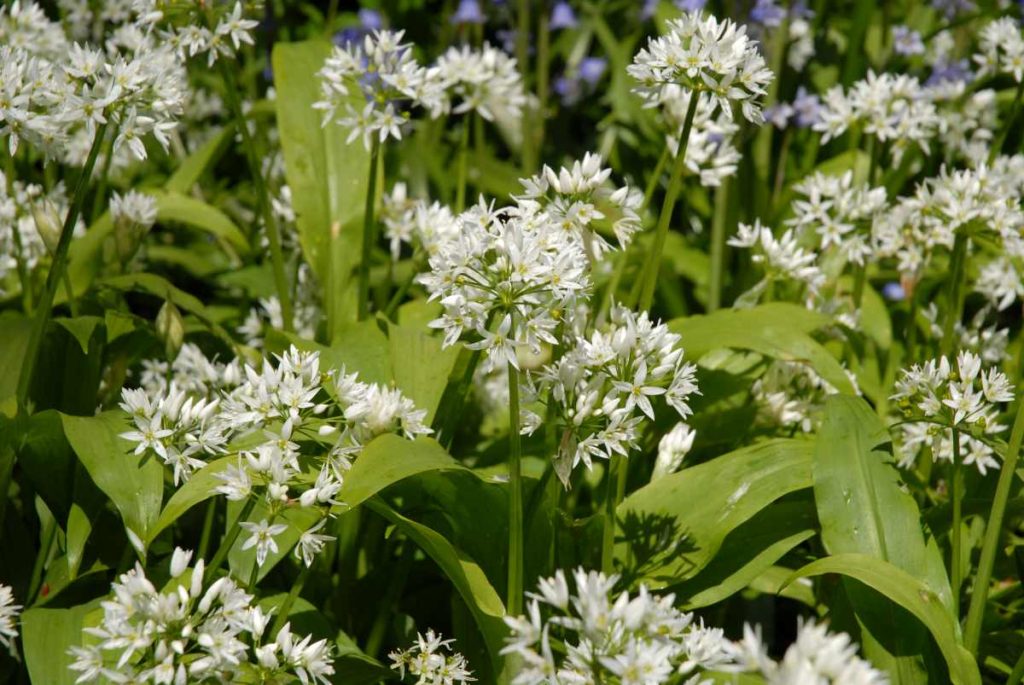
How to Grow Wild Garlic from Bulbs and Seed
Few plants announce an old, damp woodland like wild garlic. In April and May the ground under the trees turns to a sheet of glossy leaves and starry white flowers, and the smell carries on the air before you see it. It is a true native, an indicator of long-established woodland, and one of the most rewarding plants you can establish under trees on the right ground.
This guide explains how to grow wild garlic (Allium ursinum, also called ramsons) from bulbs and from seed: where it will thrive, when and how deep to plant, what to expect from sowing, how fast it spreads, and how to manage it so it supports, rather than swamps, the rest of the woodland floor. It is aimed at landowners, woodland owners and gardeners with shade to fill, and it is honest about where wild garlic is the wrong choice.
Wild garlic is easy once it settles, but it is not instant. Seed is slow, and bulbs need the right soil. Get the site right first and the plant does the rest.
Where wild garlic grows best
Wild garlic grows early and fast while the canopy is bare, then disappears underground by midsummer. It needs a site that is moist and shaded during that Spring growing season.
Shade and canopy
Deciduous woodland is its home: under oak, ash, beech, hazel, alder and field maple, along stream banks, in shaded hedge bottoms and on damp, north-facing banks. Light shade to fairly deep shade under deciduous trees suits it. Open, sunny ground that dries out in late Spring does not, and the dense, year-round shade of conifers is too dark and dry.
Soil
Moist, humus-rich soil is essential. Wild garlic is at its best on damp clay and loam, and on base-rich ground over limestone and chalk where leaf litter keeps the soil soft. It copes with heavy, wet soil better than most bulbs and is one of the few that genuinely suits damp, poorly drained woodland. Dry, sandy or very free-draining soils are the main failure point: on those, plants struggle to establish and rarely spread.
Our guide to native bulbs for different soil types covers how to read your ground before choosing species.
Where not to plant it
Wild garlic spreads strongly on ground that suits it, forming dense carpets that shade out less vigorous plants. That is right for a damp woodland floor, but think twice about planting it:
- in small garden borders, where it will overrun other plants and is hard to remove;
- close to existing colonies of scarcer woodland plants such as wood anemone or primrose on a small site;
- in ancient woodland or nature reserves without advice, where adding plants, even native ones, can affect local genetics and existing communities.
Growing wild garlic from bulbs
Planting bulbs is the quickest and most reliable way to establish wild garlic. Bulbs planted in Autumn usually produce leaves the following Spring and begin flowering within a year or two.
When to plant wild garlic bulbs
Plant dry wild garlic bulbs in Autumn, from September to November, while the soil is still workable and moist. Plant them as soon as they arrive: like snowdrops, wild garlic bulbs have a thin outer skin and dry out quickly if left in a warm room or shed.
Wild garlic is also sold “in the green”, as growing plants in Spring. These establish well because they are already in active growth, but they must go in the ground within a day or two of arriving.
How deep and how far apart
- Depth: 3–5cm, measured to the base of the bulb. On heavy clay, stay nearer 3cm.
- Spacing: 10–15cm apart within groups. Plant in loose clusters of five to ten bulbs rather than rows.
- Coverage: on suitable ground, clusters planted a metre or so apart will knit together into a continuous carpet within several years.
Planting step by step
- Clear brambles, nettles or thick grass from the planting spots. Wild garlic does not compete well with dense vegetation when young.
- Loosen the soil and work in a little leaf mould if it is compacted or low in organic matter.
- Set bulbs pointed end up at 3–5cm deep and firm the soil gently over them.
- Mulch lightly with leaf litter or leaf mould. This mimics the woodland floor, keeps moisture in and suppresses weed seedlings.
- Mark the area, as nothing will show until late Winter.
Growing wild garlic from seed
Seed is the most economical way to cover a large area, and wild garlic grown from seed is well adapted to the place where it germinates. It is also much slower, and patience is part of the method.
When to sow
Sow in Autumn wherever possible. Wild garlic seed needs a period of cold and moisture through Winter before it will germinate, so seed sown in Autumn goes through that naturally. Spring-sown seed often sits dormant until the following year. Fresh seed, collected and sown in early Summer to Autumn, gives the best germination.
How to sow
- Choose moist, shaded ground under deciduous trees or shrubs and clear vigorous vegetation.
- Rake away thick leaf litter to expose bare soil, but do not cultivate deeply.
- Scatter seed thinly over the surface.
- Firm it into contact with the soil by treading or pressing with the back of a rake, then cover lightly with a thin layer of leaf litter.
- Leave it. Do not water in a wet Autumn or fertilise.
What to expect
Germination is often patchy. Some seed comes up in the first Spring, and more may appear in the second. First-year seedlings are single, grass-like leaves that are easily missed or mistaken for grass, so do not weed the area hard. Plants usually take two to three years to reach flowering size from seed. After that, a colony established from seed spreads by both seed and bulb division.
A practical approach on a large site is to combine the two: plant clusters of bulbs for an earlier display, and sow seed between them to build density over time.
How wild garlic spreads, and how to manage it
Once established on good ground, wild garlic spreads in two ways: bulbs divide to form clumps, and seed falls around the parent plants in early Summer. On damp, fertile woodland soil it can form a continuous carpet within five to ten years.
Through the year
- Late Winter to early Spring: leaves emerge, often from February in mild areas.
- April to June: flowering. White, starry flower heads on stems that can reach 30–80cm.
- June: seed sets and drops.
- July onwards: leaves yellow and die back. Plants are dormant until the following Winter.
Managing a colony
- Leave the leaves to die back naturally after flowering so the bulbs can recharge.
- Do not fertilise. Rich soil favours nettles and brambles over woodland flowers.
- Cut back brambles and nettles in late Summer or Autumn while wild garlic is dormant.
- To stop spread into an area where you do not want it, remove flower heads before they set seed in June and dig out stray clumps while they are in leaf.
- To spread it deliberately, lift and divide clumps after flowering and replant small groups elsewhere.
Wild garlic in a woodland planting
Wild garlic is part of a characteristic set of plants found on damp, base-rich woodland floors. Planted alongside its natural companions, it helps build a richer, layered ground flora. Good partners include native bluebells on slightly drier patches, wood anemone for early Spring, snowdrops to start the year in gardens and managed woodland, and woodland grasses and herbs such as wood avens.
Its early flowers are visited by hoverflies, early bumblebees and other insects at a time when little else is in flower under trees, and the dense leaves provide cover for invertebrates on the woodland floor.
For the open edges and rides, where there is more light, a seed mix designed for shade gives a longer season. Our woodland and heavy shade wildflower mix is built for that kind of ground, and our guide to wildflower seeds for shady areas explains how to match species to light levels.
Foraging and safety
Wild garlic leaves are widely picked to eat, and many people plant it for that reason. A few cautions apply.
- Lookalikes are poisonous. Young leaves of lily of the valley, lords-and-ladies and meadow saffron (autumn crocus) can be confused with wild garlic, especially when growing together. Crush a leaf and check for the garlic smell every time, remembering that once your hands smell of garlic, this test becomes unreliable. If in doubt, do not eat it.
- Pick lightly. Take a few leaves from each plant and leave the bulbs alone. Heavy picking weakens a colony.
- Do not dig up wild plants. It is illegal in Britain to uproot any wild plant without the landowner’s permission. Plant cultivated bulbs or seed instead.
- Pets: all Allium species are toxic to dogs and cats, so take care where animals have access.
Our wild garlic bulbs and seed
We offer wild garlic in two forms. Wild garlic bulbs (Allium ursinum) are the reliable route to an early display. Plant them in Autumn at 3–5cm deep in moist, humus-rich soil under deciduous trees. Wild garlic seed is the economical way to cover larger areas of woodland floor. Sow it in Autumn onto bare, moist soil and cover lightly with leaf litter.
For a complete woodland floor, the deluxe woodland wildflower bulb collection brings together several complementary species, and our full range of spring bulbs covers most shaded sites.
Plan your wild garlic planting
If you have damp, shaded ground under deciduous trees, wild garlic is one of the most reliable native plants you can establish there, and Autumn is the time to plant bulbs and sow seed. Start with clusters of bulbs where you want flowers soonest, and use seed to fill the wider area. For woodland, estate or community projects that need a larger planting plan, contact us and we will help you match quantities and species to your site. For more on the wider bulb year, see our guide to planting wildflower bulbs.
Frequently Asked Questions
When should I plant wild garlic bulbs?
Plant dry wild garlic bulbs in Autumn, from September to November, as soon as they arrive, because they dry out quickly. Plants sold “in the green” are planted in Spring while in leaf and should go in within a day or two. Autumn-planted bulbs usually produce leaves the following Spring and flower within a year or two.
How deep do you plant wild garlic bulbs?
Plant wild garlic bulbs 3–5cm deep, measured to the base of the bulb, and 10–15cm apart in loose clusters of five to ten. On heavy clay, plant nearer 3cm deep. Mulch lightly with leaf litter afterwards to keep the soil moist and suppress weed seedlings.
How long does wild garlic take to grow from seed?
Wild garlic seed needs a cold Winter before it germinates, so sow in Autumn. Some seedlings appear the first Spring and more in the second. Seedlings look like single blades of grass at first, and plants usually take two to three years to reach flowering size. Bulbs give a much faster result.
Where does wild garlic grow best?
Wild garlic grows best in moist, humus-rich soil in light to fairly deep shade under deciduous trees, such as damp woodland, stream banks and shaded hedge bottoms. It suits heavy clay and base-rich soils well. It struggles on dry, sandy ground, in full sun that dries out in Spring, and under evergreens.
Is wild garlic invasive?
Wild garlic is native, not invasive in the legal sense, but it spreads vigorously by seed and bulb division on damp, fertile ground and can form dense carpets. That is ideal in woodland but can overwhelm small garden borders. To contain it, remove flower heads before seed sets in June and dig out stray clumps while in leaf.
Can you grow wild garlic in a garden?
Yes, if you have a moist, shaded spot under deciduous trees or shrubs and space for it to spread. It is best in a wilder corner, a shady hedge bottom or under a tree rather than a mixed border, where it can swamp neighbouring plants. Keep pets in mind, as all Allium species are toxic to dogs and cats.
What plants look like wild garlic?
Lily of the valley, lords-and-ladies and meadow saffron have leaves that can be mistaken for wild garlic, and all three are poisonous. Wild garlic leaves smell strongly of garlic when crushed; check every leaf, and remember that garlic-scented hands make the test unreliable. If you are not certain, do not eat it.
Ready to get started?
Shop: Traditional Wildflower Meadow Mix →