

Wildflower Seed Mix Guides: Choose the Right Mix for Your Site
The short answer: the right wildflower mix depends on your ground, not on the flowers you like best. Start with your soil and site: is it chalky, clay, acid, wet, shaded or coastal? Then pick the mix built for those conditions. Every Wildahome habitat mix comes in two formats, 100% wildflower and 80/20 (80% fine native grasses, 20% wildflowers), and each guide below covers both.
Each guide sets out the full species list, when each plant flowers, the ground and parts of Britain it suits, what to expect in years one to five, and how to manage it long term.
Read a guide
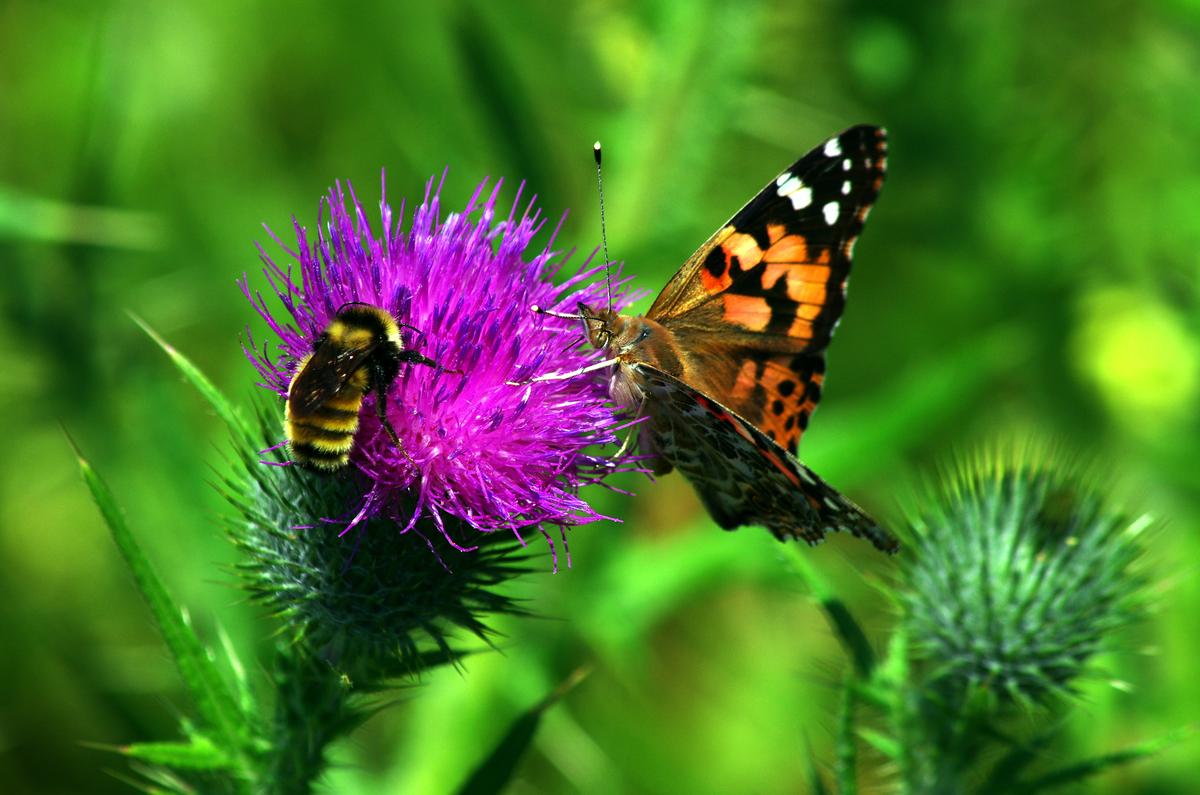
Bee and Butterfly
A long flowering season of nectar and pollen plants for bees, butterflies and hoverflies.
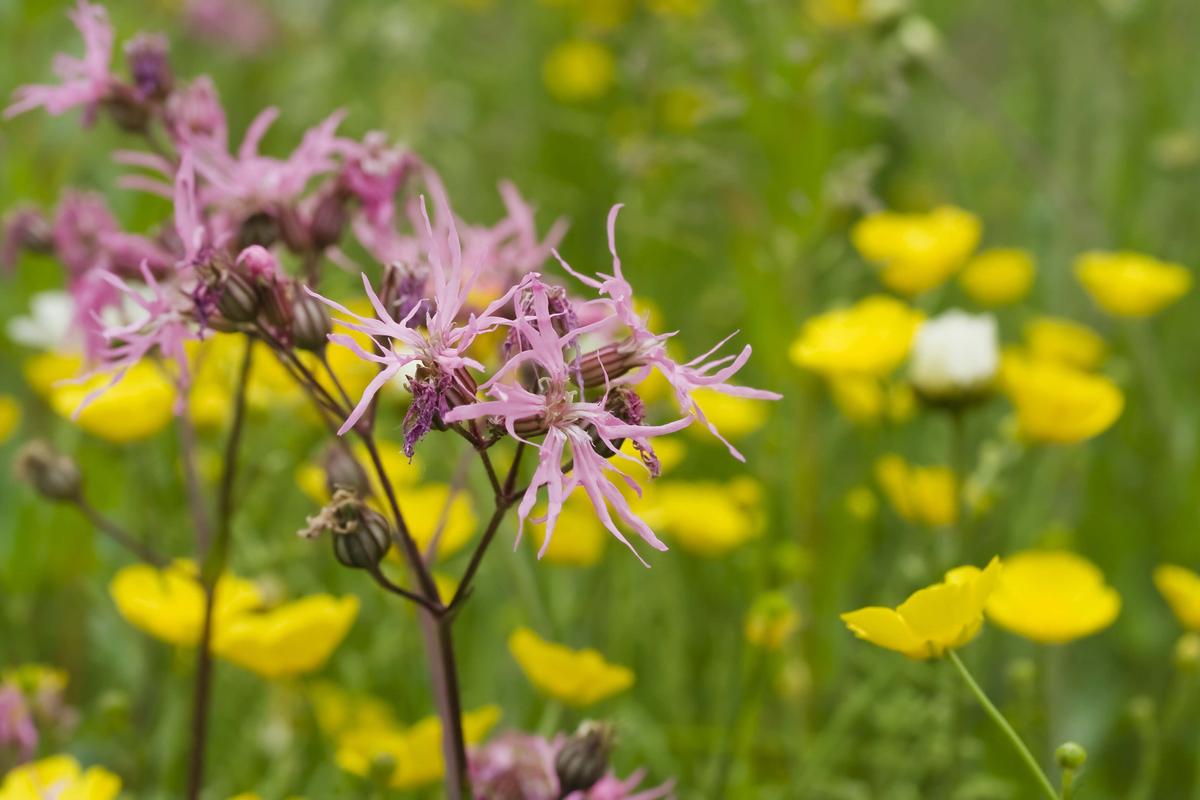
Loam and Alluvial
For fertile loams and river floodplains, where the challenge is keeping vigorous grasses in check.
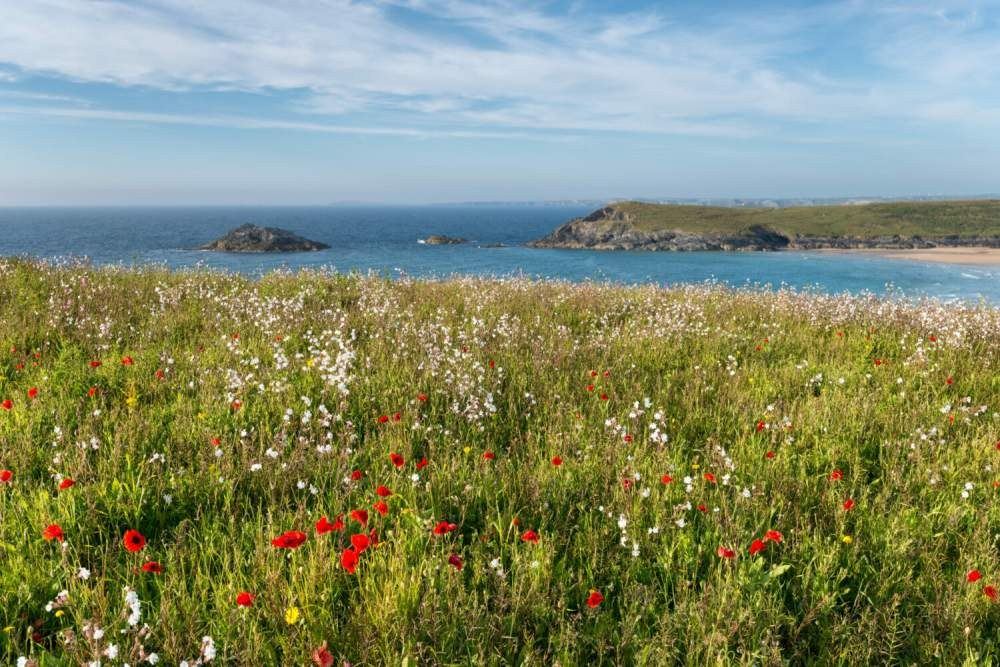
Coastal
Tough, low-growing species for exposed, windy and salt-sprayed sites near the sea.
Which mix suits your site?
Use this table to narrow it down. Where a full guide is not yet published, the mix name links to the product, which has the species list in its Mixture tab.
| Mix | Best for | Guide |
|---|---|---|
| Traditional | A classic hay meadow on average, neutral soils | Coming soon |
| General Purpose | Most soils; a reliable all-rounder when you are not sure | Coming soon |
| Restoration | Bringing flowers back into existing or former farmland grass | Coming soon |
| Bee and Butterfly | Pollinators, over a long flowering season | Read the guide |
| Chalk and Limestone | Thin, free-draining, alkaline soils | Coming soon |
| Heavy Clay | Heavy, slow-draining clay that is wet in winter and hard in summer | Coming soon |
| Loam and Alluvial | Fertile loams and river floodplains | Read the guide |
| Wetland and Pond | Damp ground, pond margins and land that floods | Coming soon |
| Acidic Soils | Acid, sandy or peaty ground | Coming soon |
| Hedgerow and Banks | Hedge bases, banks and field margins in part shade | Coming soon |
| Woodland and Heavy Shade | Shaded ground under trees and along woodland edges | Coming soon |
| Coastal | Exposed, salty sites near the sea | Read the guide |
| Cornfield Annuals | Quick colour in the first summer; needs the ground cultivating each year to come back | Coming soon |
100% wildflower or 80/20?
A 100% mix is all wildflowers: the most colour, and the right choice for small areas or for adding flowers to existing grass. An 80/20 mix adds fine native grasses, which is closer to a natural meadow, costs less per square metre and suits larger areas, grazing and banks that need holding together. Our 80/20 vs 100% guide explains the choice in full.
Planning tools
- When to sow wildflower seeds: the sowing window for every mix.
- The Meadow Year: month-by-month cutting, grazing and hedge jobs.
- Seed mix specifications: species lists and percentages by weight, for specifiers.
- Seed coverage calculator: how much seed you need.
- Wildflower seeds by county: local guides across Britain.
Mixed ground, or a site that does not fit any of these? We make bespoke mixes for specific sites and projects.
Frequently asked questions
How do I choose a wildflower seed mix?
Start with your soil and site conditions, not the flowers. Check whether the ground is chalky, clay, acid, sandy, wet, shaded or coastal, then choose the mix made for those conditions. If you are unsure, the General Purpose mix suits most average soils.
What is the difference between a 100% and an 80/20 wildflower mix?
A 100% mix contains only wildflower seed. An 80/20 mix is 80% fine native grasses and 20% wildflowers by weight, which gives a more natural meadow structure and suits larger areas, grazing and banks.
Can I use one mix across a whole site?
On uniform ground, yes. Where a site has distinct areas, such as a wet hollow, a dry bank and a shaded edge, it is better to sow a different mix on each, or to use a bespoke mix.
Where can I see exactly what is in each mix?
Each guide lists every species in the mix with its flowering months. For mixes without a guide yet, the species list is in the Mixture tab on the product page, and percentages by weight are on our seed mix specifications page.