

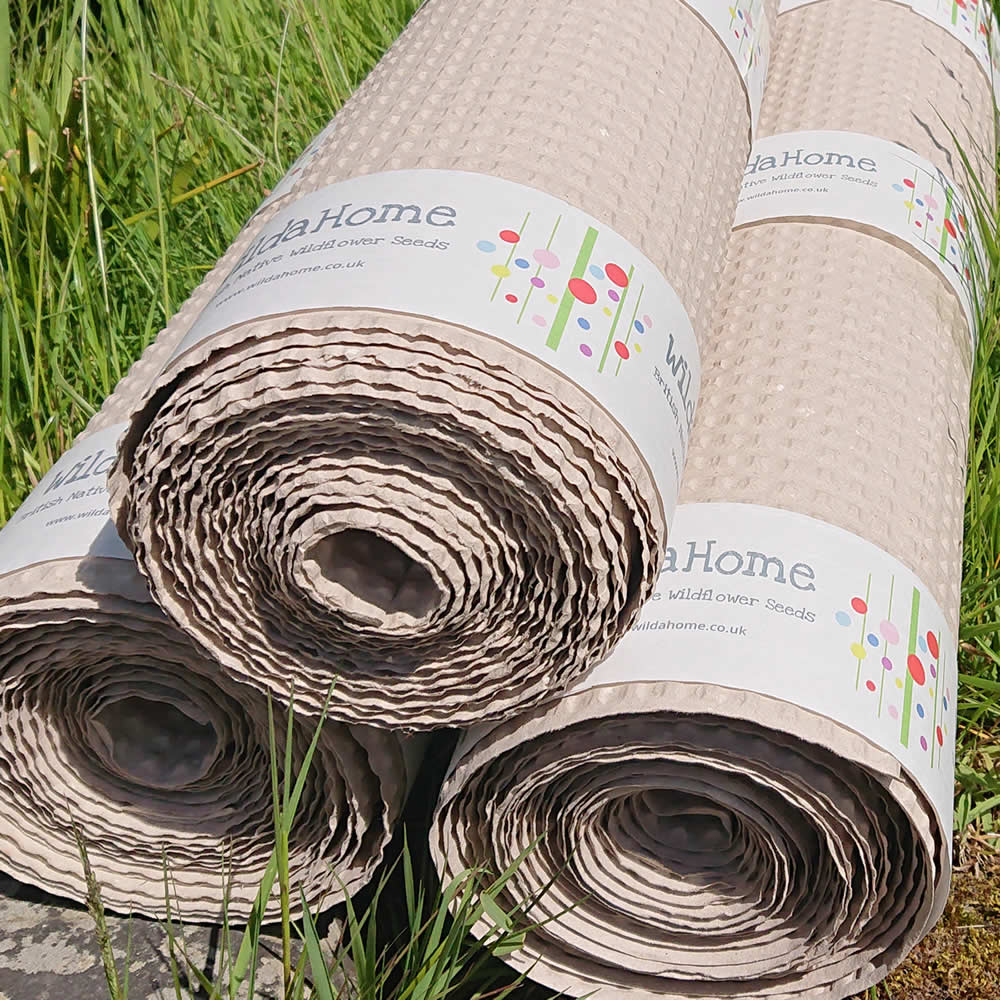
What is a Seed Mat?
What is Improver?
Wetland & Pond Wildflower Mix
£34.80 – £6,960.00Price range: £34.80 through £6,960.00 inc VAT
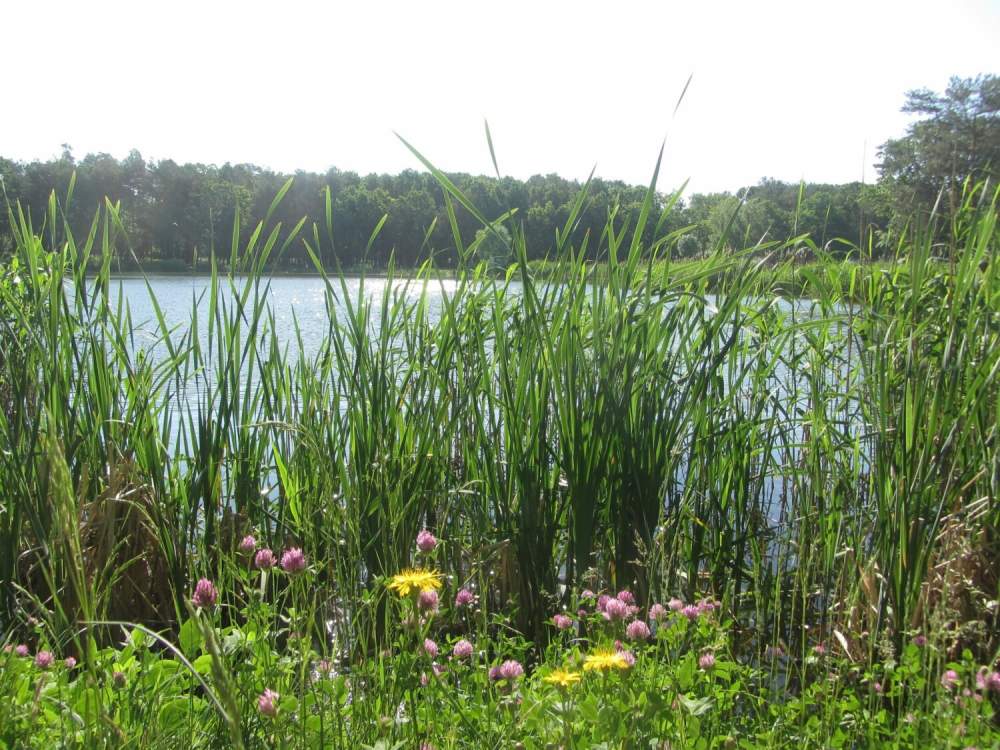
Most wildflower mixes struggle in wet ground. The Wetland & Pond mix is specifically selected for margins where water sits — pond edges, ditches, boggy hollows, and ground that floods seasonally. The native species in this mix are adapted to fluctuating moisture levels and establish well where other mixes fail.
Suitable for wildlife ponds, rain gardens, flood meadows, and stream banks. The mix supports a wide range of aquatic and semi-aquatic invertebrates, as well as providing cover and forage for wetland birds. Flowering runs from late spring through to autumn.
Sow at 3g per square metre. Waterside and bog conditions often have naturally low soil nutrients, which favours wildflower establishment over grass. If sowing near open water, allow a buffer strip and avoid direct application to submerged areas. Spring or early autumn sowing both work. Keep the seedbed moist through establishment.
Sourced from UK meadows and partner farms. 100% wildflowers — no grasses included.
Frequently asked questions
Where is the Wetland and Pond Wildflower Mix suitable to use?
It is designed for pond edges, ditches, boggy hollows, rain gardens, flood meadows, and stream banks — any ground where water sits or fluctuates seasonally. The species are adapted to wet conditions where standard wildflower mixes fail to establish.
What wildlife does the Wetland and Pond mix attract?
The mix supports aquatic and semi-aquatic invertebrates, wetland birds, and a range of specialist pollinators associated with waterside habitats. It provides cover and forage across the flowering season from late spring through to autumn.
How do I sow wildflowers in a wetland or pond margin?
Sow at 3g per square metre. Waterside soils are often naturally low in nutrients, which favours wildflower establishment. Keep the seedbed moist during germination. If sowing close to open water, leave a buffer strip and avoid sowing directly into submerged areas. Spring and early autumn both work well.
Can the Wetland and Pond mix be used in a garden with a wildlife pond?
Yes — it works well around garden wildlife ponds and in low-lying garden areas that stay damp. Prepare the soil by scarifying to expose bare ground, then sow and keep moist until established. It greatly increases the habitat value of a garden pond environment.
Agrimony, Hemp, (Eupatorium cannabinum), Angelica, Wild, (Angelica sylvestris), Avens, Water, (Geum rivale), Bedstraw, Hedge, (Galium mollugo), Bedstraw, Lady’s, (Galium verum), Buttercup, Meadow, (Ranunculus acris), Campion, Red, (Silene dioica), Figwort, (Scrophularia nodosa), Gypsywort, (Lycopus europaeus), Hard Rush, (Juncus inflexus), Iris, Yellow-Flag, (Iris pseudacorus), Loosestrife, Purple, (Lythrum salicaria), Meadowsweet, (Filipendula ulmaria), Ragged Robin, (Lychnis flos-cuculi), Scabious, Devil’s-bit, (Succisa pratensis), Sedge, Pendulous, (Carex pendula), Self-heal, (Prunella vulgaris), Sneezewort, (Achillea ptarmica), Soft Rush, (Juncus effusus), St John’s-wort, Sq. Stem, (Hypericum tetrapterum), Trefoil, Greater Bird’s-foot, (Lotus uliginosus), Vetch, Tufted, (Vicia cracca)
Ground Preparation
Sowing
Aftercare: Year 1 & Once Established
Flower Colours: Varied
Plant Height: up to 2 metre
Flowering Season: April to October
Setting: Wetlands