Paul Stenning

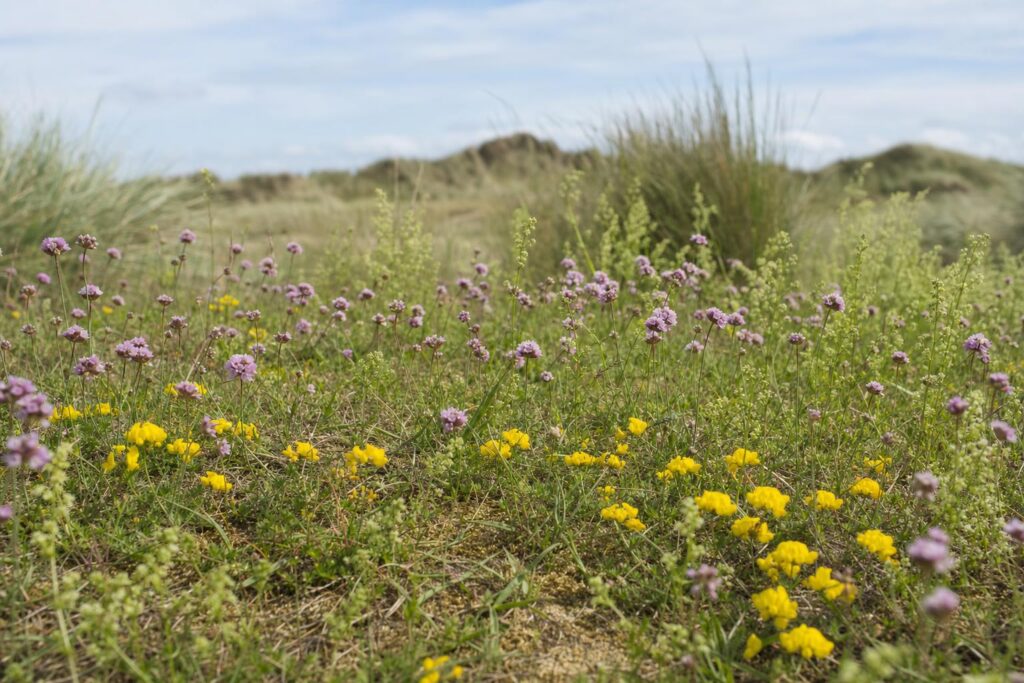
Sandy coastal grassland wildflowers including bird's-foot trefoil and restharrow near the Sefton coast dunes in Merseyside

Wildflower Seeds for Merseyside: Native Mixes for Sand Dunes, the Mersey Fringe and Urban Liverpool

Wildflower Seeds for Merseyside: Native Mixes for Sand Dunes, the Mersey Fringe and Urban Liverpool Merseyside’s defining habitat sits along its coast rather than inland. The Sefton coast, running roughly twenty kilometres between Liverpool and Southport, holds the largest sand dune system in England — a genuinely internationally important landscape. Inland, the county is largely
Wildflower Seeds for Merseyside: Native Mixes for Sand Dunes, the Mersey Fringe and Urban Liverpool Read More »

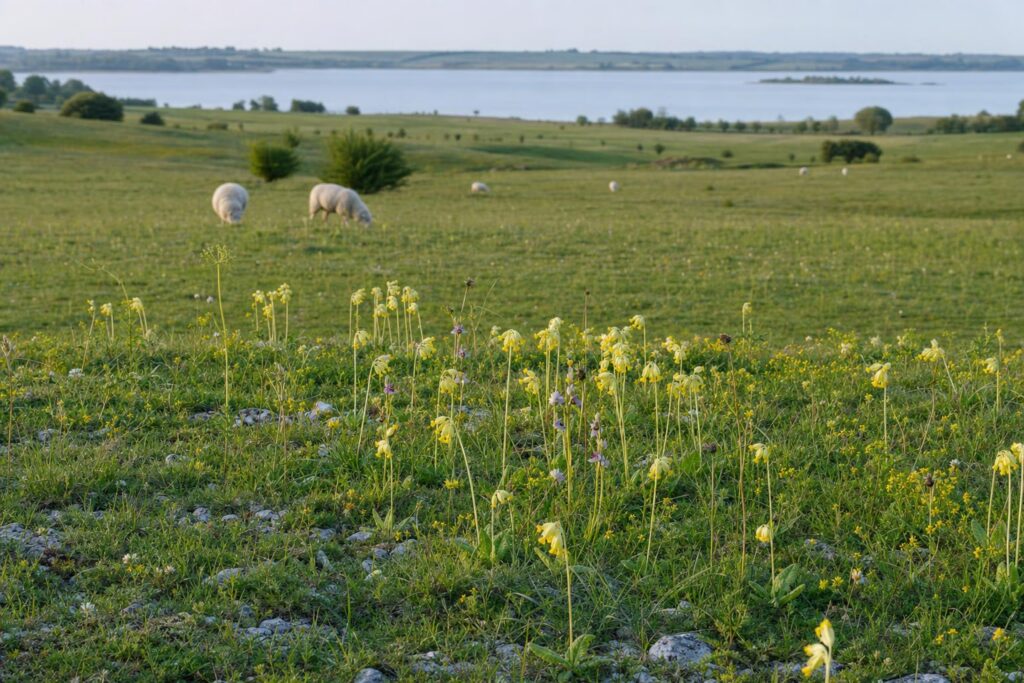
Limestone grassland meadow near Rutland Water with cowslips and grazing sheep

Wildflower Seeds for Rutland: Native Mixes for England’s Smallest County

Wildflower Seeds for Rutland: Native Mixes for England’s Smallest County Rutland packs two genuinely different soil stories into just 382 square kilometres. Free-draining Jurassic limestone dominates the east of the county, around Ketton, Clipsham, Pickworth and Greetham, historically quarried for building stone and now expressed as some of the East Midlands’ best surviving calcareous grassland.

Wildflower Seeds for Rutland: Native Mixes for England’s Smallest County Read More »

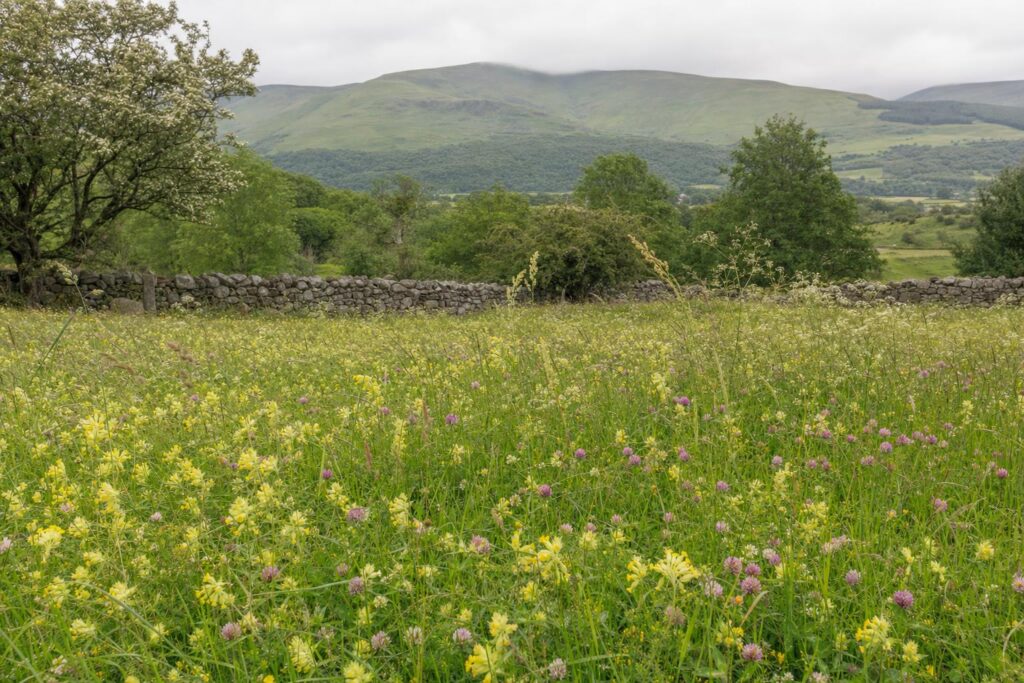
Cambrian uplands meadow in Montgomeryshire with a dry stone wall and wildflowers

Wildflower Seeds for Montgomeryshire: Native Mixes for the Cambrian Uplands and Severn Valley

Wildflower Seeds for Montgomeryshire: Native Mixes for the Cambrian Uplands and Severn Valley Montgomeryshire runs from the acid, peaty Cambrian uplands in the west — the source of the Severn, Wye and Rheidol — down through the broad Severn Valley around Welshpool and Newtown, with occasional pockets of base-rich ground on the Long Mountain and

Wildflower Seeds for Montgomeryshire: Native Mixes for the Cambrian Uplands and Severn Valley Read More »

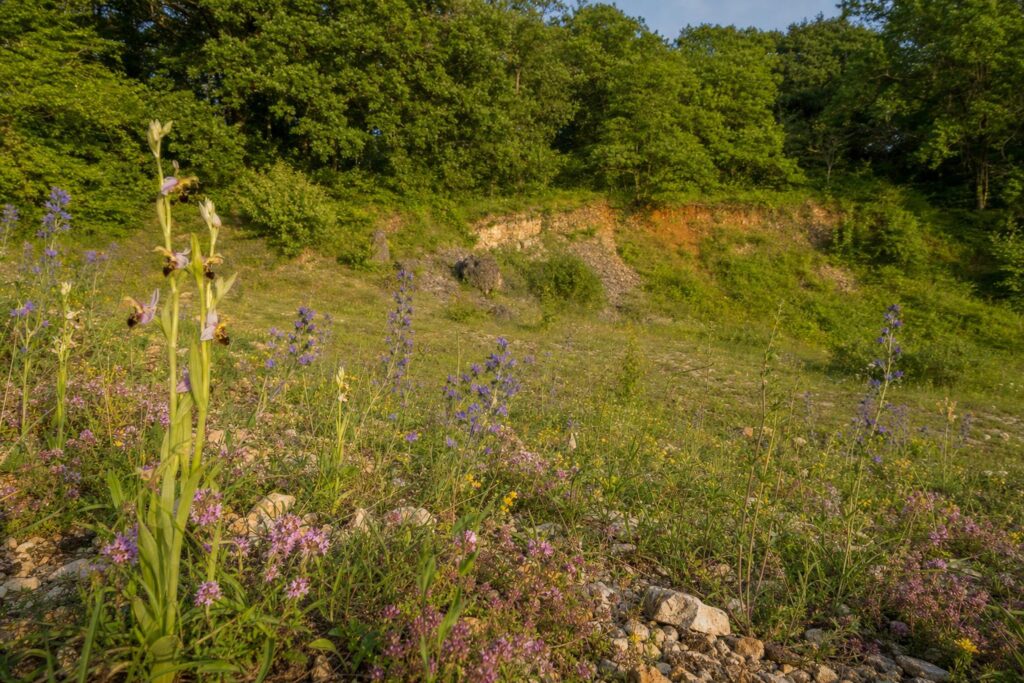
Rockingham Forest former ironstone quarry meadow in Northamptonshire with wild orchids

Wildflower Seeds for Northamptonshire: Native Mixes for Ironstone, Limestone and Clay Vale

Wildflower Seeds for Northamptonshire: Native Mixes for Ironstone, Limestone and Clay Vale Northamptonshire sits on Jurassic bedrock that gives the county three genuinely different growing grounds. Ironstone uplands run through the northwest around Daventry and Kettering’s fringes, giving local buildings their distinctive orange-brown colour. Limestone dominates the Rockingham Forest country in the northeast, between the

Wildflower Seeds for Northamptonshire: Native Mixes for Ironstone, Limestone and Clay Vale Read More »

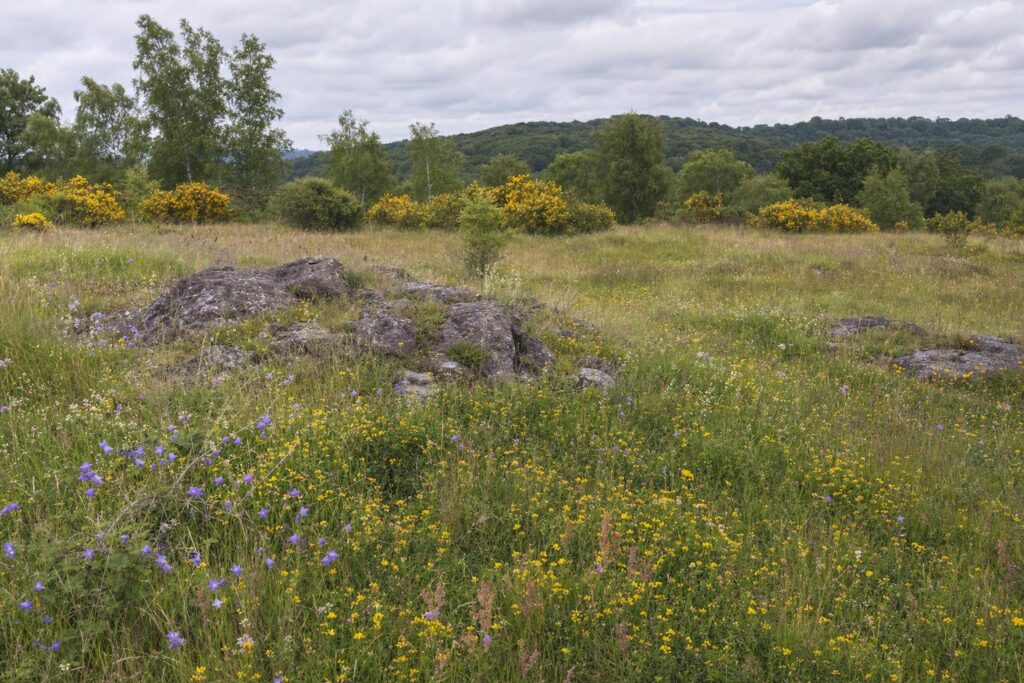
Charnwood Forest rocky outcrop meadow in Leicestershire with wildflowers

Wildflower Seeds for Leicestershire: Native Mixes for Charnwood Forest and the Clay Vales

Wildflower Seeds for Leicestershire: Native Mixes for Charnwood Forest and the Clay Vales Leicestershire’s geology divides sharply between the ancient volcanic rock of Charnwood Forest, in the county’s centre, and the heavy glacial clay vales that surround it. Charnwood — around Loughborough, Coalville, Shepshed and Markfield — sits on some of the oldest rock in

Wildflower Seeds for Leicestershire: Native Mixes for Charnwood Forest and the Clay Vales Read More »

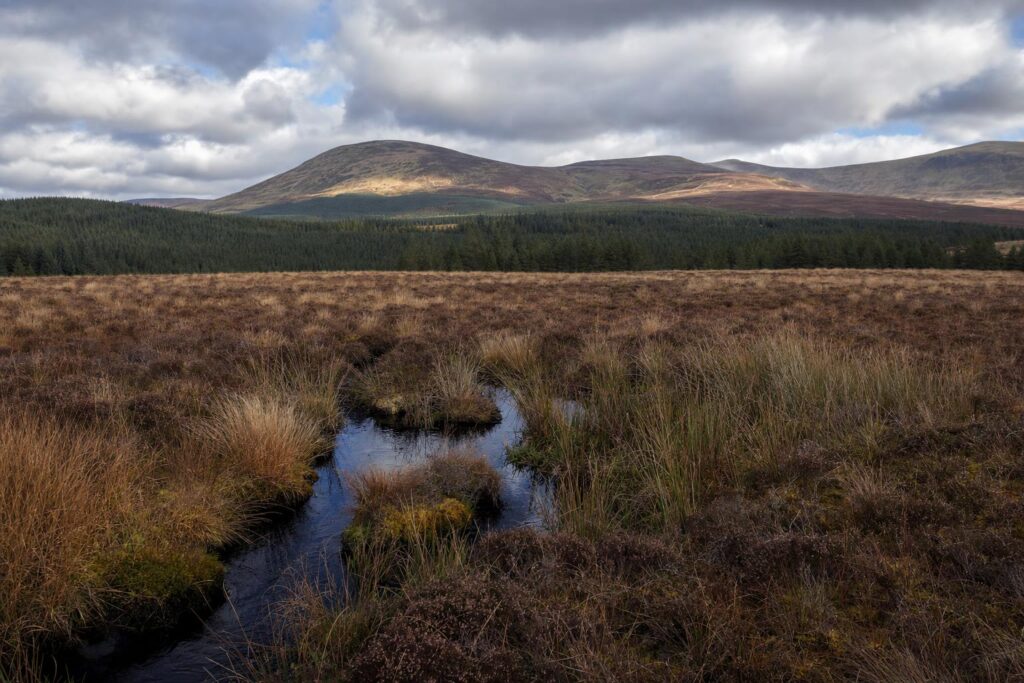
Peat bog and rough moorland grass in the Cambrian Mountains near Llanwrtyd Wells in autumn.

Llanwrtyd Wells Events: A Holiday Guide to Man v Horse, Bog Snorkelling and More

Quick answer Llanwrtyd Wells, about eight miles from Graig Fawr, runs a year-round programme of unusual events organised by Green Events: Man v Horse in June, the World Bog Snorkelling Championships on August Bank Holiday, the Real Ale Wobble and Mid Wales Beer Festival in November, and a torchlit Mari Lwyd walk on New Year’s

Llanwrtyd Wells Events: A Holiday Guide to Man v Horse, Bog Snorkelling and More Read More »

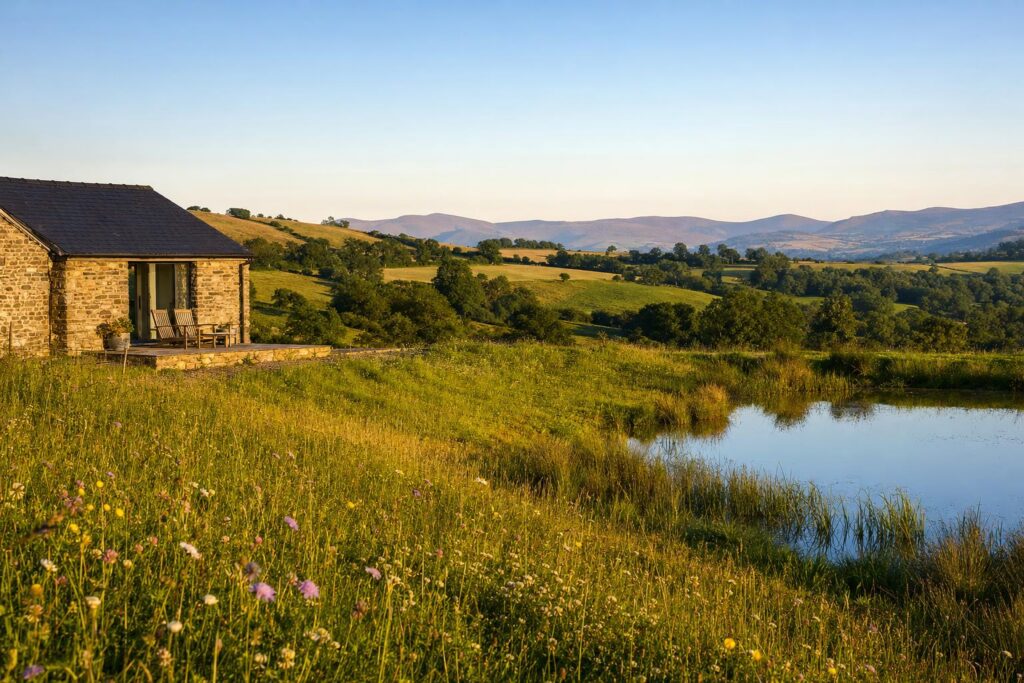
Stone holiday cottage above a wildflower meadow in the Mid Wales hills on a July evening.

Where to Stay for the Royal Welsh Show 2027: A Quiet Holiday Cottage Near Builth Wells

Quick answer The Royal Welsh Show 2027 runs from Monday 19 to Thursday 22 July at the Royal Welsh Showground in Llanelwedd, Builth Wells. Accommodation close to the showground goes early. A holiday cottage within a short drive, booked for the whole week, gives you a quiet place to return to each evening and avoids

Where to Stay for the Royal Welsh Show 2027: A Quiet Holiday Cottage Near Builth Wells Read More »

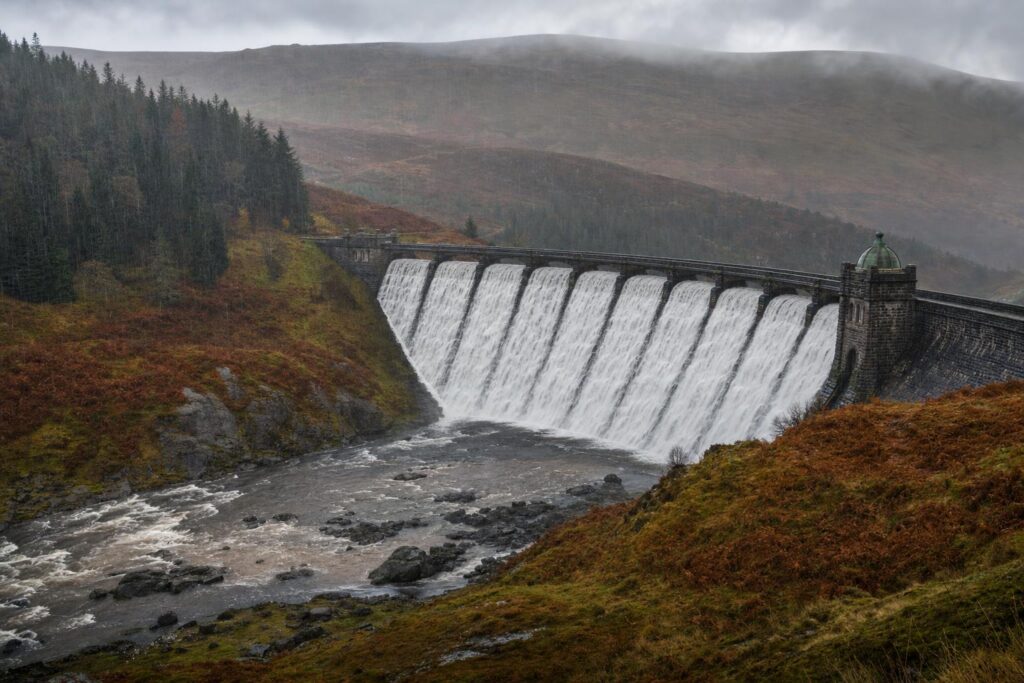
A Victorian stone reservoir dam in the Mid Wales hills overflowing in heavy autumn rain.

Rainy Day Things to Do Near Builth Wells: A Wet-Weather Guide for Your Mid Wales Holiday

Quick answer Rain on a Mid Wales holiday is no reason to stay in. Within half an hour of Builth Wells you can watch red kites from covered hides at Gigrin Farm, catch a film at Wyeside Arts Centre, see the Elan Valley dams overflowing, or browse Llandrindod’s free museum. Hay-on-Wye’s bookshops and Brecon’s Y

Rainy Day Things to Do Near Builth Wells: A Wet-Weather Guide for Your Mid Wales Holiday Read More »

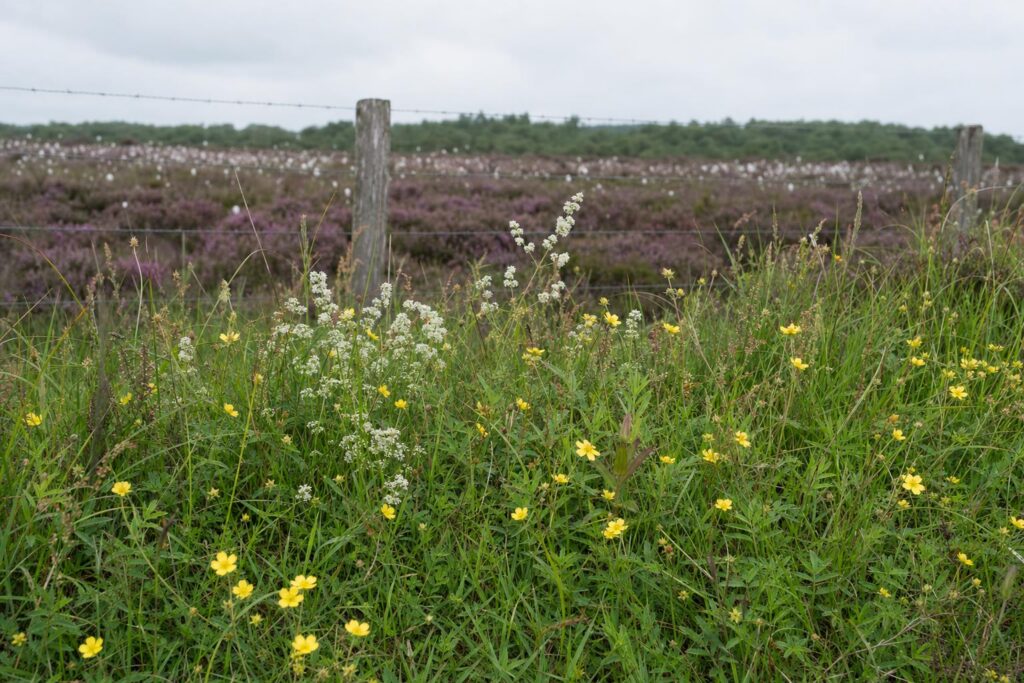
Acid grassland wildflowers including tormentil and heath bedstraw at the edge of a Greater Manchester mossland

Wildflower Seeds for Greater Manchester: Native Mixes for Mosslands, Pennine Fringe and Urban Green Space

Wildflower Seeds for Greater Manchester: Native Mixes for Mosslands, Pennine Fringe and Urban Green Space Greater Manchester’s landscape is shaped by two very different stories. To the west and south-west, the county sits on what was once one of the largest expanses of lowland raised peat bog in England — the mosslands around Chat Moss,

Wildflower Seeds for Greater Manchester: Native Mixes for Mosslands, Pennine Fringe and Urban Green Space Read More »

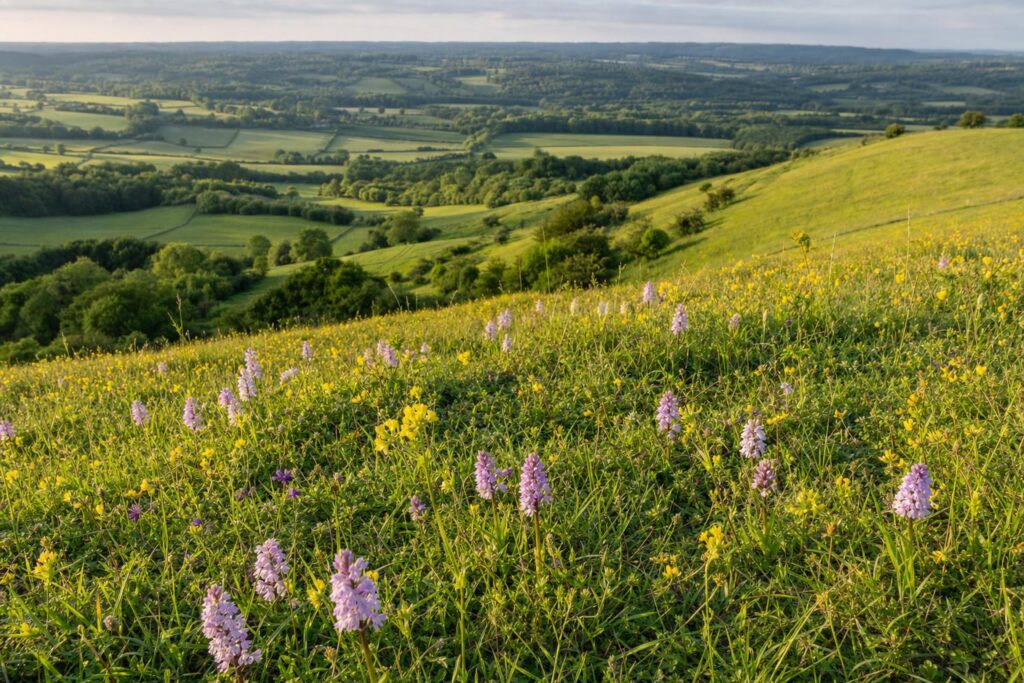
South Downs inland chalk grassland meadow in West Sussex with wild orchids

Wildflower Seeds for West Sussex: Native Mixes for the South Downs, Weald and Coastal Plain

Wildflower Seeds for West Sussex: Native Mixes for the South Downs, Weald and Coastal Plain West Sussex runs from chalk in the south to heavy clay in the north, with a lighter coastal plain and greensand band in between. The South Downs cross the county from Brighton’s edge westward to Chichester, thin and free-draining. North

Wildflower Seeds for West Sussex: Native Mixes for the South Downs, Weald and Coastal Plain Read More »

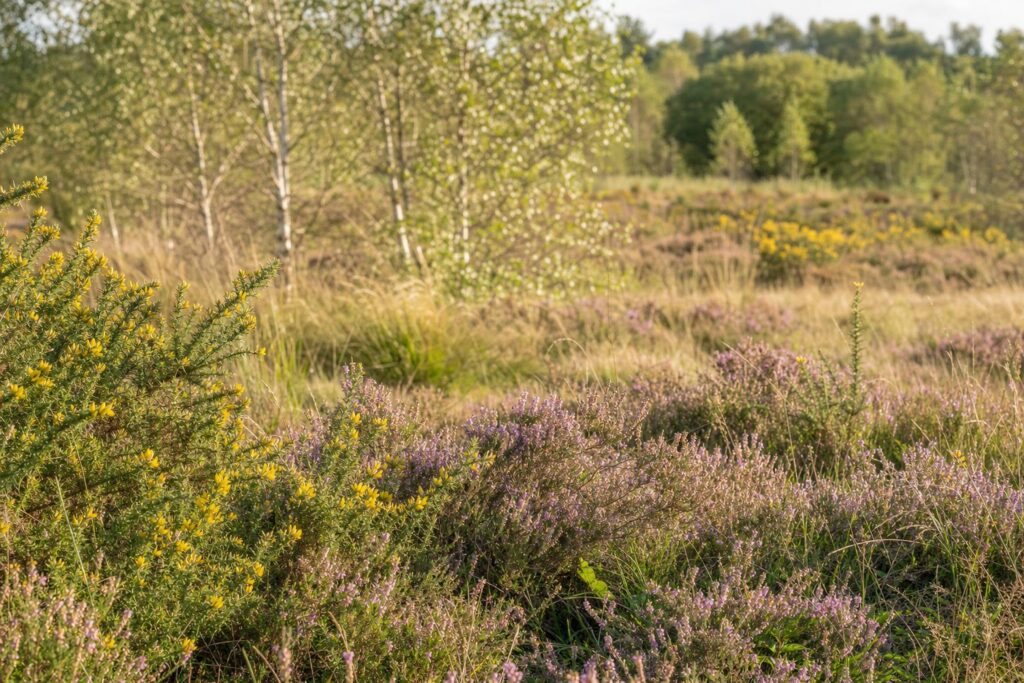
Heathland with flowering heather and gorse near Sutton Park in the West Midlands

Wildflower Seeds for the West Midlands: Native Mixes for Heathland, Black Country Brownfield and Urban Parks

Wildflower Seeds for the West Midlands: Native Mixes for Heathland, Black Country Brownfield and Urban Parks The West Midlands metropolitan county — Birmingham, Wolverhampton, and the Black Country boroughs of Sandwell, Dudley, Walsall, plus Solihull and Coventry — is one of England’s most heavily built-up areas, but it holds more genuine wildflower potential than its

Wildflower Seeds for the West Midlands: Native Mixes for Heathland, Black Country Brownfield and Urban Parks Read More »

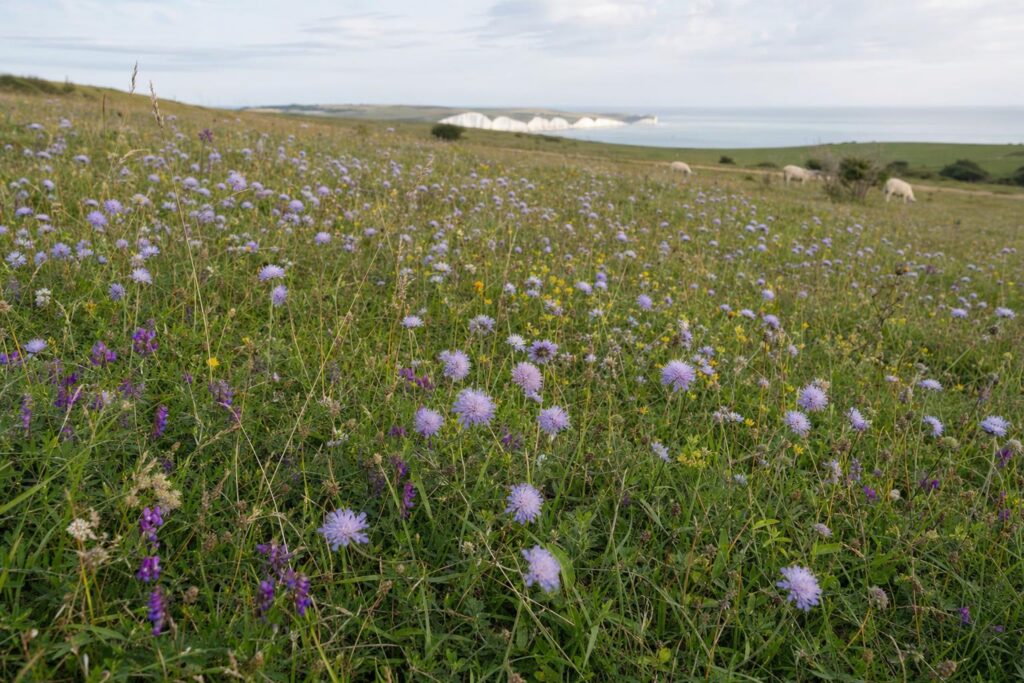
South Downs coastal chalk grassland meadow in East Sussex with wildflowers and grazing sheep

Wildflower Seeds for East Sussex: Native Mixes for the South Downs, High Weald and the Levels

Wildflower Seeds for East Sussex: Native Mixes for the South Downs, High Weald and the Levels East Sussex divides into four genuinely different landscapes. The South Downs run chalk along the county’s southern edge, from Lewes through Seaford towards Eastbourne. North of that, the High Weald’s sandstone ridges and clay valleys cover most of the

Wildflower Seeds for East Sussex: Native Mixes for the South Downs, High Weald and the Levels Read More »