Wildflower Seeds

shade from a tree wildflower seeds

Choosing a Wildflower Seed Mix for Mixed Site Conditions

Quick answer: When a site sits between two soil or light types, such as partial shade on clay, choose between zoning and blending. If the conditions change in clear patches, sow a different standard mix in each zone. If the in-between condition covers the whole area or changes gradually, sow a blend of the two

Choosing a Wildflower Seed Mix for Mixed Site Conditions Read More »

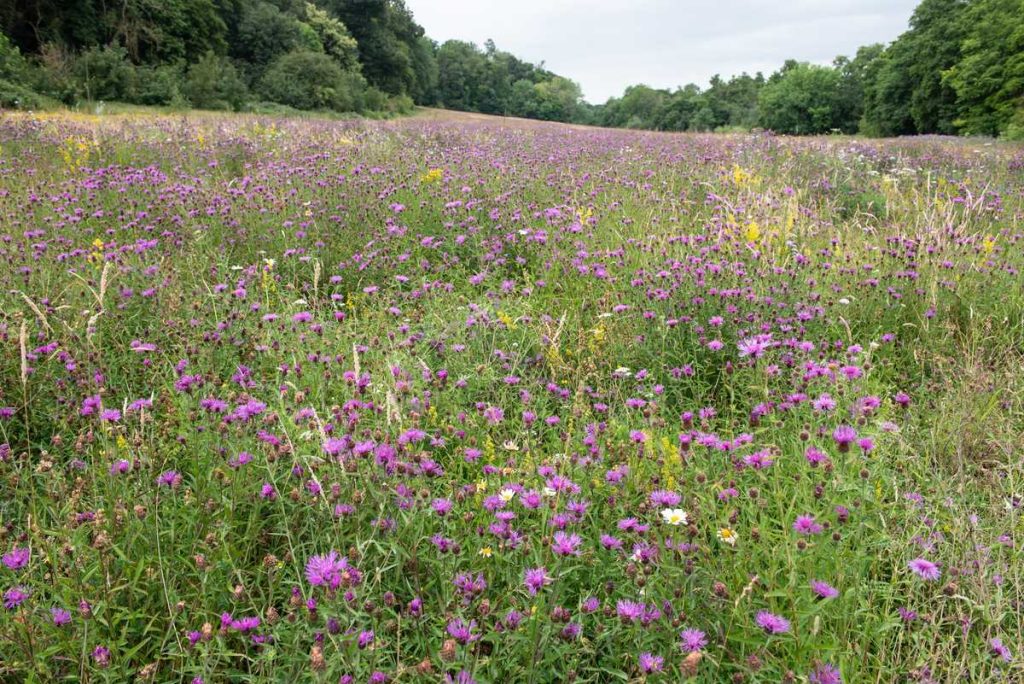
Herefordshire hay meadow full of purple knapweed in summer

Wildflower to Grass Ratio: Choosing Between 100%, 80/20 and 50/50

Quick answer: The wildflower to grass ratio is the share of a seed mix, by weight, that is wildflower seed rather than meadow grass seed. An 80/20 mix (20% wildflowers) suits most meadows and larger areas. A 100% wildflower mix suits small areas and over-sowing existing grass. In-between ratios such as 50/50 give more flowers

Wildflower to Grass Ratio: Choosing Between 100%, 80/20 and 50/50 Read More »

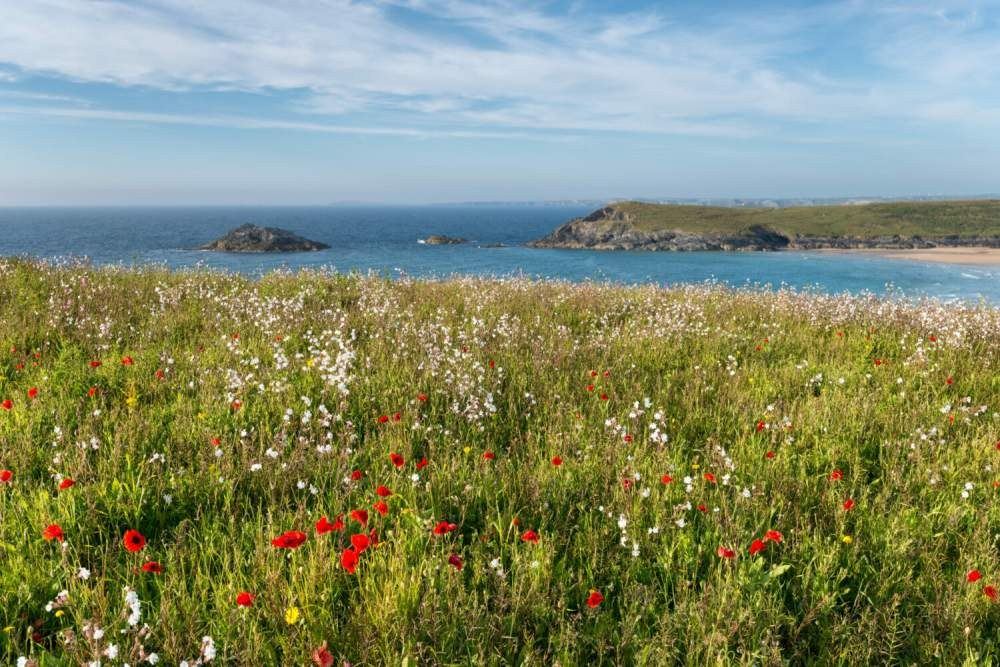
Coastal wildflower meadow of poppies and white campion above the sea

Coastal Wildflower Seeds: A Complete Guide to Our Coastal Mix

Coastal sites can grow some of the best wildflower meadows in Britain. The soils are often thin, sandy or chalky and naturally low in nutrients, which suits wildflowers. But wind, salt spray and Summer drought will defeat a standard seed mix within a season. Coastal wildflower seeds need to come from species that already grow

Coastal Wildflower Seeds: A Complete Guide to Our Coastal Mix Read More »

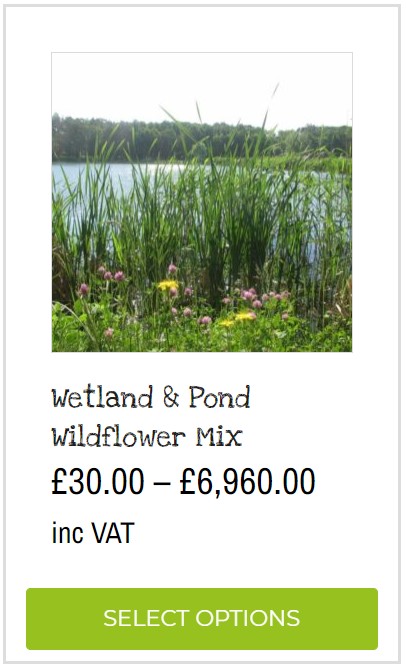
wetland and pond wildflower seed mix wildflower seeds for wetlands

Gwent Levels Wildflower Meadows: A Practical Guide for Developers

Building on or beside the Gwent Levels means working in one of the most protected lowland landscapes in Wales. Get the wildflower element right and it can carry much of a scheme’s biodiversity case. Get it wrong and you are left with a rush-choked, waterlogged verge that satisfies nobody, least of all the planning officer.

Gwent Levels Wildflower Meadows: A Practical Guide for Developers Read More »

british wildflower seed mixes for farms

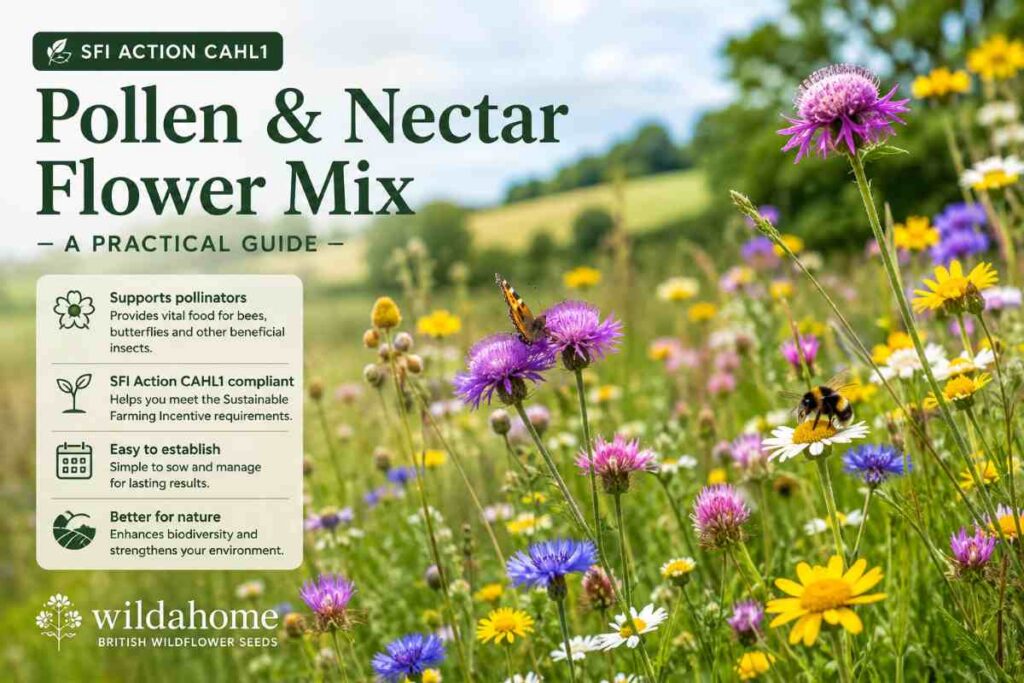
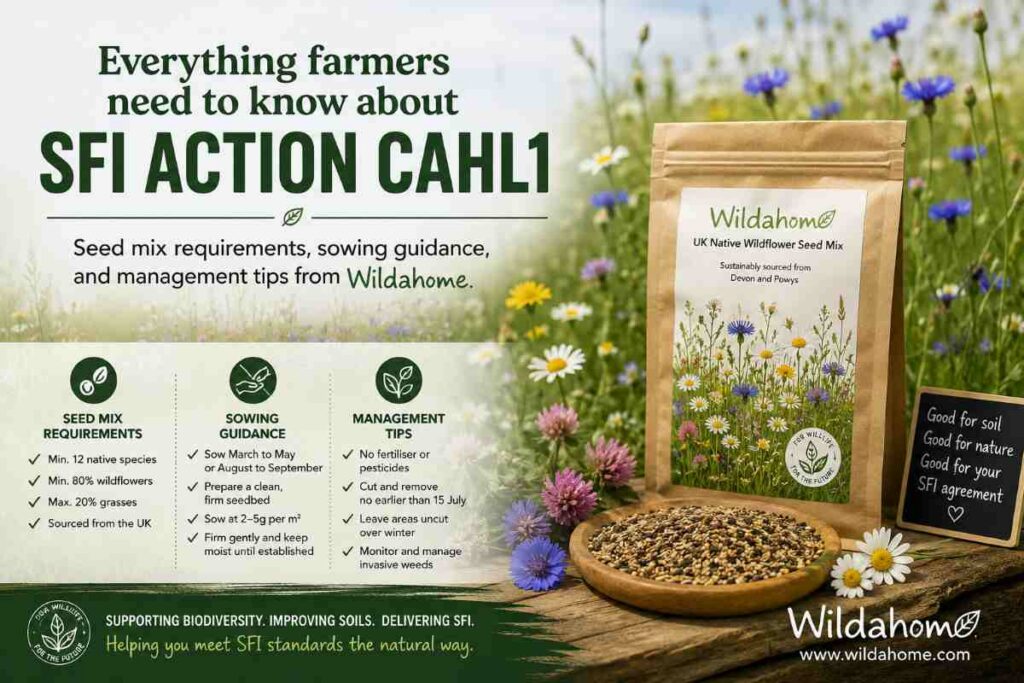
SFI Action CAHL1: Pollen and Nectar Flower Mix — A Practical Guide

SFI Action CAHL1: Pollen and Nectar Flower Mix — A Practical Guide With SFI26 Window 1 opening on 30 June 2026, farmers across England are making decisions right now about which actions to include in their agreements. CAHL1 — the Pollen and Nectar Flower Mix — is one of the most widely chosen, and for

SFI Action CAHL1: Pollen and Nectar Flower Mix — A Practical Guide Read More »

sfi actions and standards for sowing wildflower seeds on farms

SFI Action CIPM2: Flower-Rich Grass Margins, Blocks and In-Field Strips — A Practical Guide

SFI Action CIPM2: Flower-Rich Grass Margins, Blocks and In-Field Strips — A Practical Guide CIPM2 is one of the most ecologically versatile actions in the SFI26 offer. Whether you are looking to soften field margins, create in-field biodiversity strips, or establish permanent wildflower blocks on your arable or mixed farm, this action delivers real habitat

SFI Action CIPM2: Flower-Rich Grass Margins, Blocks and In-Field Strips — A Practical Guide Read More »

wildflower seeds sussex wildflower seeds kent wildflower seeds hampshire wildflower seeds surrey

Wildflower Seeds for Kent — Choosing the Right Mix for Your Soil and Habitat

Reading Kent’s Soils and Habitats The North Downs are the county’s chalk backbone — thin, free-draining soils over white chalk, with strong alkalinity and naturally low fertility. These conditions are ideal for species-rich chalk grassland, and they reward the right mix generously. The problem is they punish the wrong approach just as decisively. Competing grasses

Wildflower Seeds for Kent — Choosing the Right Mix for Your Soil and Habitat Read More »

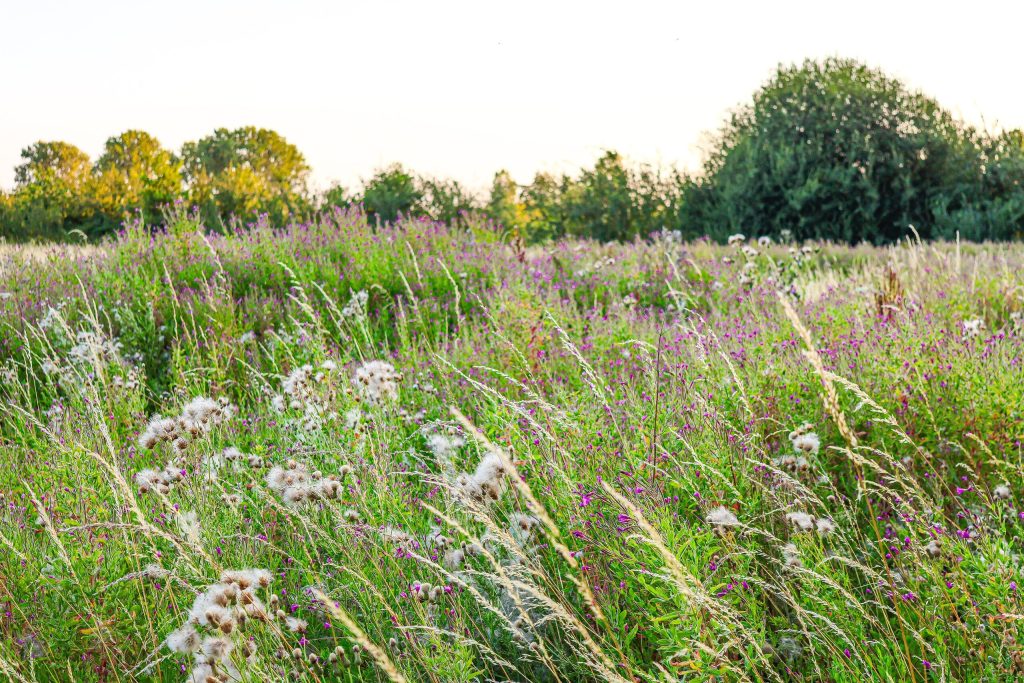
Lowland wildflower meadow in summer with knapweed, thistles and tall grasses, trees behind

Wildflower Seeds for Essex — Matching Your Mix to the County’s Soils and Habitats

Essex Soils: What You Are Working With London Clay is the defining soil type across a large area of Essex — from the Thames valley northwards through Chelmsford, Braintree, and Colchester. It is heavy, poorly draining, and can become compacted under livestock or vehicle pressure. Fertility is often moderate, which means ground preparation needs to

Wildflower Seeds for Essex — Matching Your Mix to the County’s Soils and Habitats Read More »

hampshire wildflower seeds for meadows and gardens

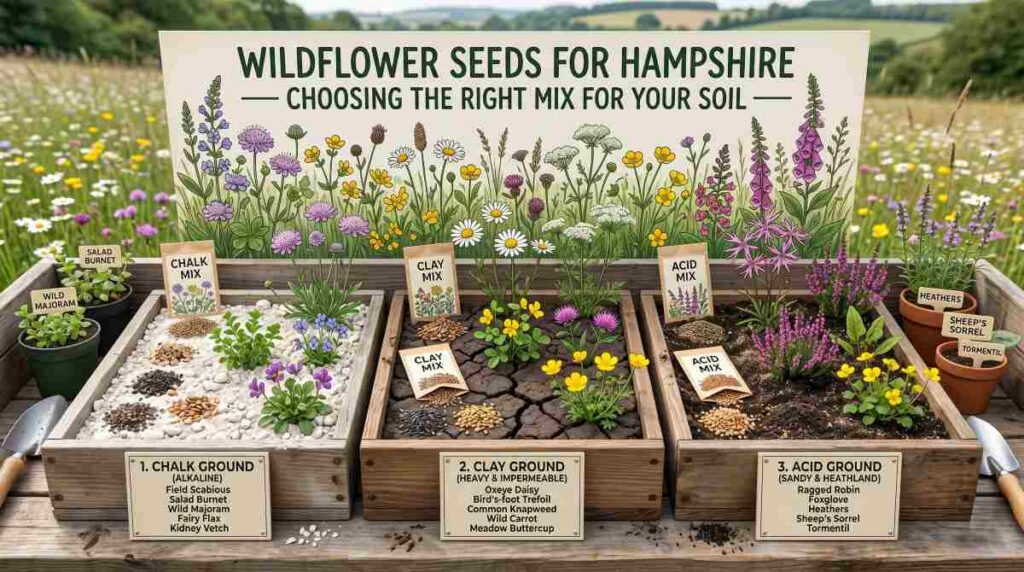
Wildflower Seeds for Hampshire — Choosing the Right Mix for Chalk, Clay, and Acid Ground

Hampshire’s Habitats and Soils The chalk downs — running from the Wiltshire border through Winchester, Basingstoke, and towards the South Downs — are the county’s defining geological feature. Thin soils over white chalk, strongly alkaline, naturally low in fertility. These conditions are exactly what chalk grassland wildflowers need, and Hampshire’s chalk downs historically held exceptional

Wildflower Seeds for Hampshire — Choosing the Right Mix for Chalk, Clay, and Acid Ground Read More »