June 2026

kent wildflower seed nature restoration projects

Wildflower Seeds for Kent — Choosing the Right Mix for Your Soil and Habitat

Reading Kent’s Soils and Habitats The North Downs are the county’s chalk backbone — thin, free-draining soils over white chalk, with strong alkalinity and naturally low fertility. These conditions are ideal for species-rich chalk grassland, and they reward the right mix generously. The problem is they punish the wrong approach just as decisively. Competing grasses […]

Wildflower Seeds for Kent — Choosing the Right Mix for Your Soil and Habitat Read More »

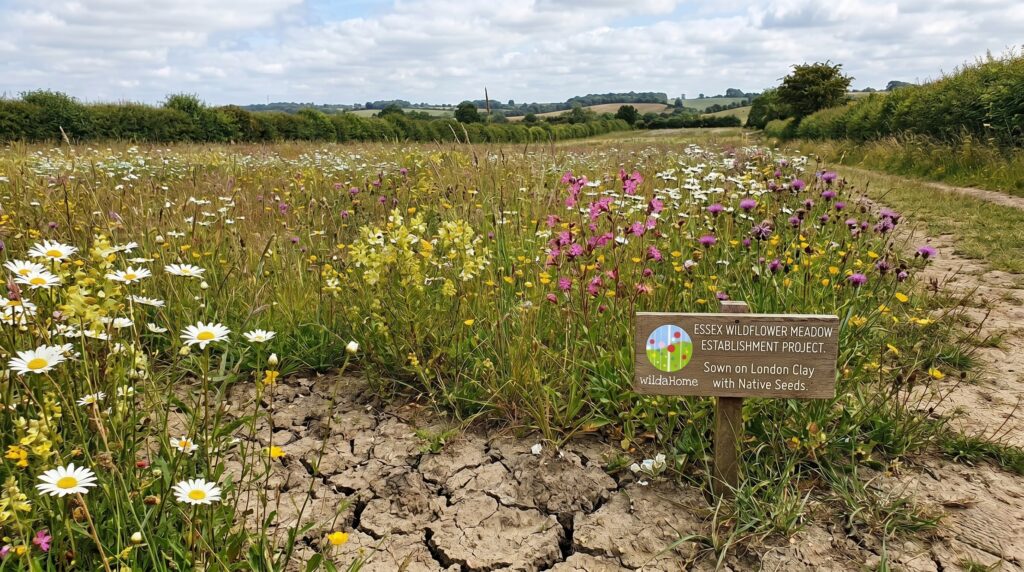
essex wildflower seeds and meadow restoration

Wildflower Seeds for Essex — Matching Your Mix to the County’s Soils and Habitats

Essex Soils: What You Are Working With London Clay is the defining soil type across a large area of Essex — from the Thames valley northwards through Chelmsford, Braintree, and Colchester. It is heavy, poorly draining, and can become compacted under livestock or vehicle pressure. Fertility is often moderate, which means ground preparation needs to

Wildflower Seeds for Essex — Matching Your Mix to the County’s Soils and Habitats Read More »

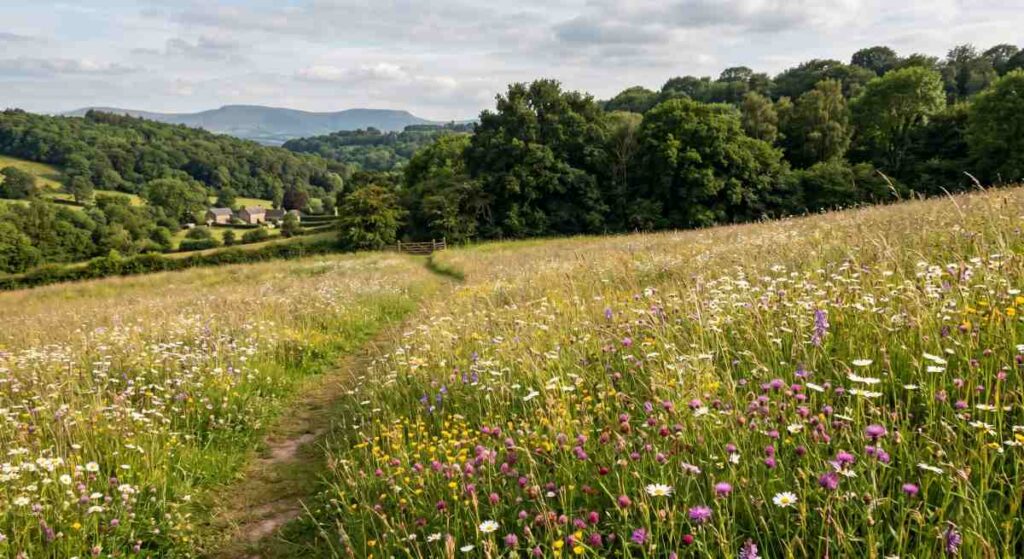
hampshire wildflower seeds for meadows and gardens

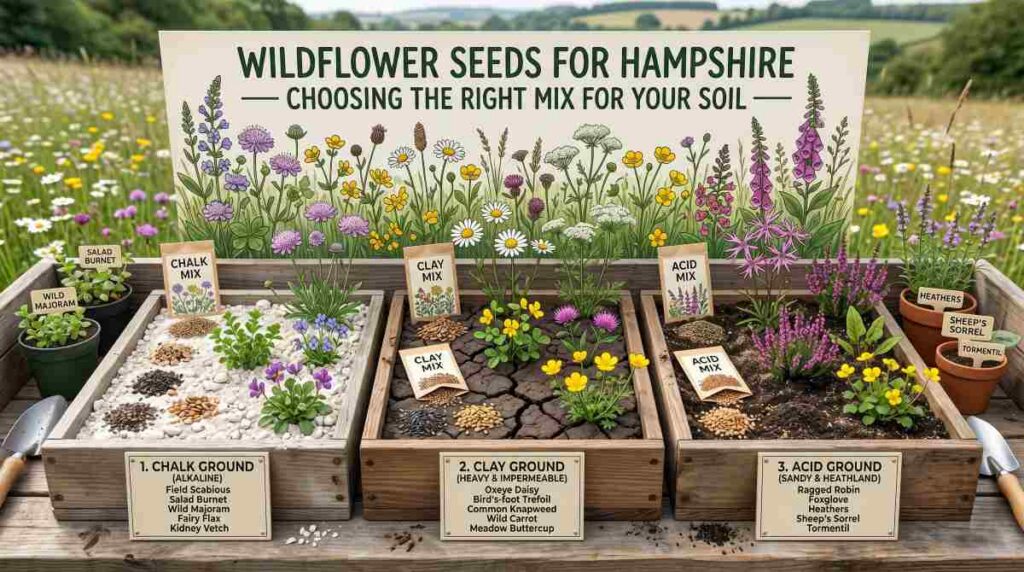
Wildflower Seeds for Hampshire — Choosing the Right Mix for Chalk, Clay, and Acid Ground

Hampshire’s Habitats and Soils The chalk downs — running from the Wiltshire border through Winchester, Basingstoke, and towards the South Downs — are the county’s defining geological feature. Thin soils over white chalk, strongly alkaline, naturally low in fertility. These conditions are exactly what chalk grassland wildflowers need, and Hampshire’s chalk downs historically held exceptional

Wildflower Seeds for Hampshire — Choosing the Right Mix for Chalk, Clay, and Acid Ground Read More »