

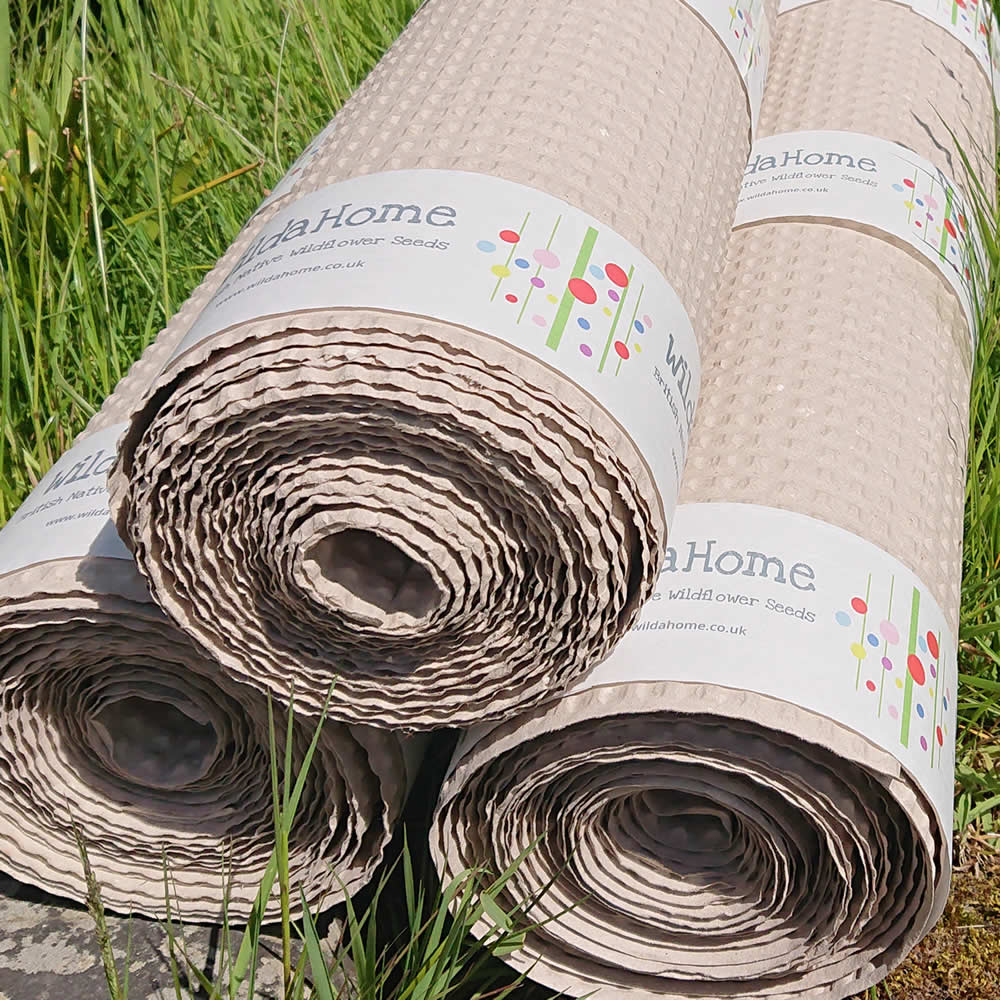
What is a Seed Mat?
What is Improver?
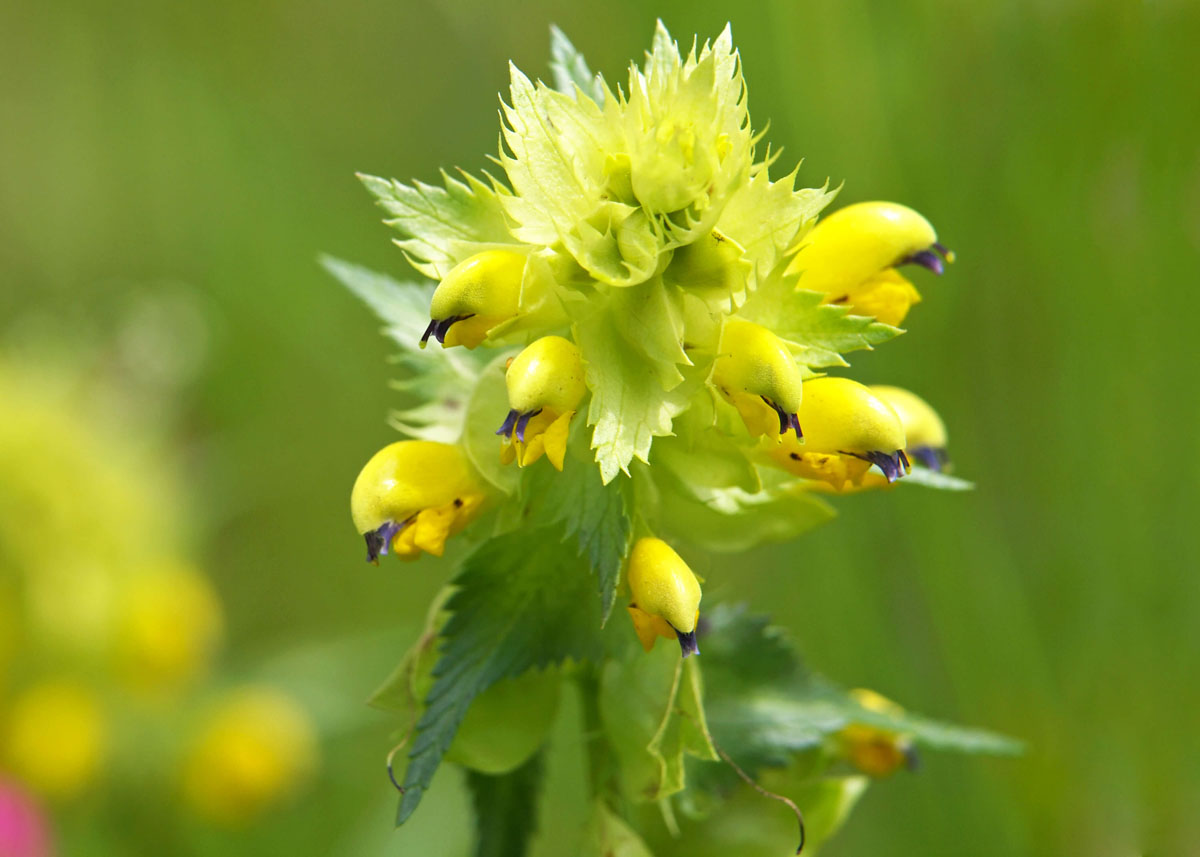
Yellow Rattle
£48.60 – £1,620.00Price range: £48.60 through £1,620.00 inc VAT
Yellow Rattle (Rhinanthus minor) is the single most important plant for creating a wildflower meadow from existing grassland. As a hemi-parasite, it attaches to the roots of surrounding grasses and draws nutrients from them, weakening their growth and opening up the sward — giving wildflower seedlings the space and light they need to establish.
In trials and practical restoration work, Yellow Rattle can reduce grass biomass by up to 60% within two to three seasons. That shift in competitive balance is what allows a species-rich wildflower meadow to develop where previously coarse grass dominated. It is an annual plant — it germinates, flowers, sets seed, and dies back each year, relying on seed production to persist in the meadow.
Critical sowing requirement: Yellow Rattle seed must be sown in autumn (August to October) and experience a period of cold temperatures over winter before it will germinate in spring. Seed sown in spring will not germinate that season. Sow directly onto the surface of short, scarified grass — the seed needs light and contact with bare soil to establish.
Our Yellow Rattle seed is sourced from our own and local UK meadow collections. It is rigorously cleaned and tested for germination. Fresh seed from the current season is essential — Yellow Rattle seed loses viability quickly and should not be stored for more than one season.
Frequently asked questions
What does Yellow Rattle do in a wildflower meadow?
Yellow Rattle (Rhinanthus minor) is a hemi-parasite that attaches to the roots of surrounding grasses and draws nutrients from them, weakening grass growth. This opens up the sward and reduces competition, giving wildflower seedlings the light and space they need to establish. It can reduce grass biomass by up to 60% within two to three seasons.
When must Yellow Rattle be sown?
Yellow Rattle must be sown in autumn — between August and October. The seed requires a period of cold temperatures over winter to break dormancy and will not germinate if sown in spring. This is non-negotiable: spring-sown Yellow Rattle seed will not establish that season.
How do I sow Yellow Rattle into existing grassland?
Cut or graze the existing grass short before sowing to reduce competition. Scarify patches to expose bare soil. Surface sow Yellow Rattle seed directly onto the soil — it needs light and contact with bare ground to establish. Do not cover deeply. Mow or graze the meadow in late summer once seed has ripened and been shed, to allow self-seeding the following year.
Why is seed freshness important for Yellow Rattle?
Yellow Rattle seed loses viability quickly and should not be stored for more than one season. Always use fresh seed from the current year's harvest. Our Yellow Rattle is sourced from our own and local UK meadow collections, rigorously cleaned, and tested for germination before despatch.
Ground Preparation
Sowing
Aftercare: Year 1 & Once Established
- Type: Annual
- Height: 20–50cm
- Flowers: May-September
- Best Sown: Autumn
- Soil Requirement: Well-drained, moist
- Light Requirement: Full sun
- Natural Habitat: Grassland, meadows
- Also known as: Corn Rattle, Hay Rattle, Penny Grass, Meadow Maker
- Seeds per gram: 270