

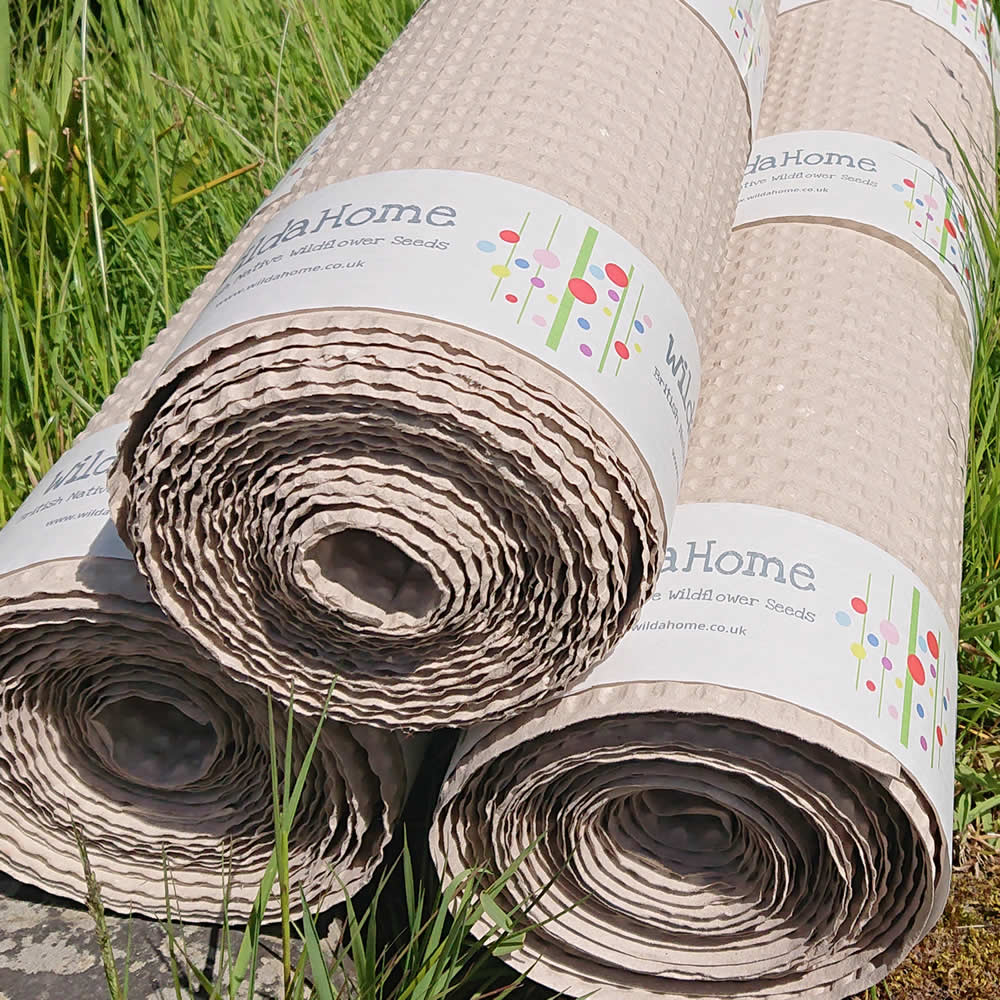
What is a Seed Mat?
What is Improver?
Ragged Robin Seeds (Lychnis flos-cuculi)
£34.56 – £345.60Price range: £34.56 through £345.60 inc VAT
Ragged Robin is a native perennial of wet meadows with dainty, deeply cut pink flowers from May to July, an important nectar source for bees, butterflies and moths.
🚚 UK delivery £5.95 per order
Larger area or a bespoke mix? Ask us for a quote →
About this product
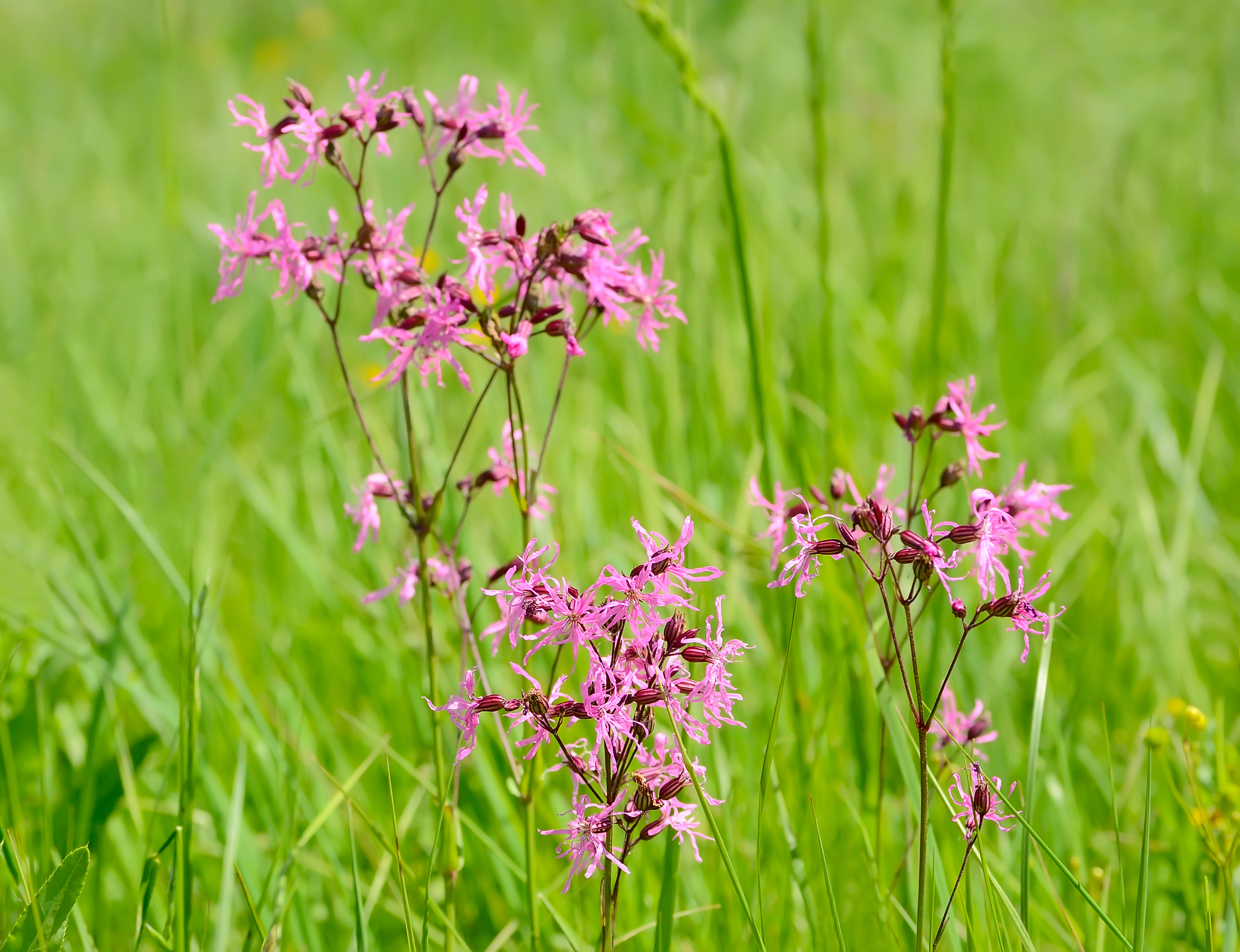
Ragged Robin (Lychnis flos-cuculi) is a native perennial of wet meadows, marshes and damp woodland, growing 30 to 70cm tall. It has narrow leaves in opposite pairs on slender, slightly sticky stems and carries loose heads of pink flowers from May to July, each petal deeply divided into four thin, ragged lobes that give the plant its name. It flowers at the same time as the cuckoo calls, which is where the Latin name comes from.
The flowers are a valuable nectar source for long-tongued bees, butterflies and moths in early summer, and the plant supports several moth caterpillars. It is a short-lived perennial that self-seeds readily on open, damp ground, so a colony renews itself where the soil stays moist and there is a little bare earth. In a wet meadow its pink is striking alongside the yellow of Meadow Buttercup.
It needs damp soil that stays moist through the year, in full sun or partial shade, and tolerates seasonal flooding. It suits a wet meadow, a pond or ditch margin, a rush pasture, a damp woodland edge or a garden bog area. Avoid dry, free-draining ground, where it will not persist.
Sow in autumn or spring onto bare or scarified damp ground, surface-sown and firmed in without covering; the seed is very fine and needs light. It establishes quickly and may flower in its first full season. Cut in late summer once seed has been shed, removing the cuttings, and keep some open ground so seedlings can establish. Combine with our wet meadow mixes or single species that share the same damp conditions.
Frequently asked questions
What conditions does Ragged Robin need?
Damp soil that stays moist all year, in full sun or partial shade. It tolerates seasonal flooding but will not persist on dry ground.
When should I sow Ragged Robin?
Autumn or spring, onto bare or scarified damp ground. Surface-sow the fine seed and firm it in without covering.
Is Ragged Robin good for pollinators?
Yes. Its nectar feeds long-tongued bees, butterflies and moths from May to July, and it supports several moth caterpillars.
Does Ragged Robin persist?
It is a short-lived perennial that self-seeds freely on open damp ground, so a colony renews itself if you leave some bare soil each year.
Ground Preparation
Choose ground that stays damp all year, in sun or light shade; pond margins, ditches and wet hollows are ideal. Clear or scarify to expose bare soil and firm the surface.
Sowing
Sow in autumn or spring, scattering the very fine seed thinly on the surface and firming it in. Do not cover; it needs light to germinate.
Aftercare: Year 1
Seedlings establish readily on damp ground and plants may flower in the first summer. Keep rushes and coarse grasses from smothering them.
Once Established
Cut in late summer after seed has shed and clear the cuttings. It is a short-lived perennial that relies on self-seeding, so leave some open ground each year.
- Type: Perennial
- Height: 30-70cm
- Flowers: May-July
- Best Sown: Autumn or Spring
- Soil Requirement: Damp
- Light Requirement: Full sun and partial shade
- Natural Habitat: Meadows, damp woodlands, wet grassland
- Also known as: Meadow Pink, Marsh Gilliflower
- Seeds per gram: 5400
- Origin: UK native