

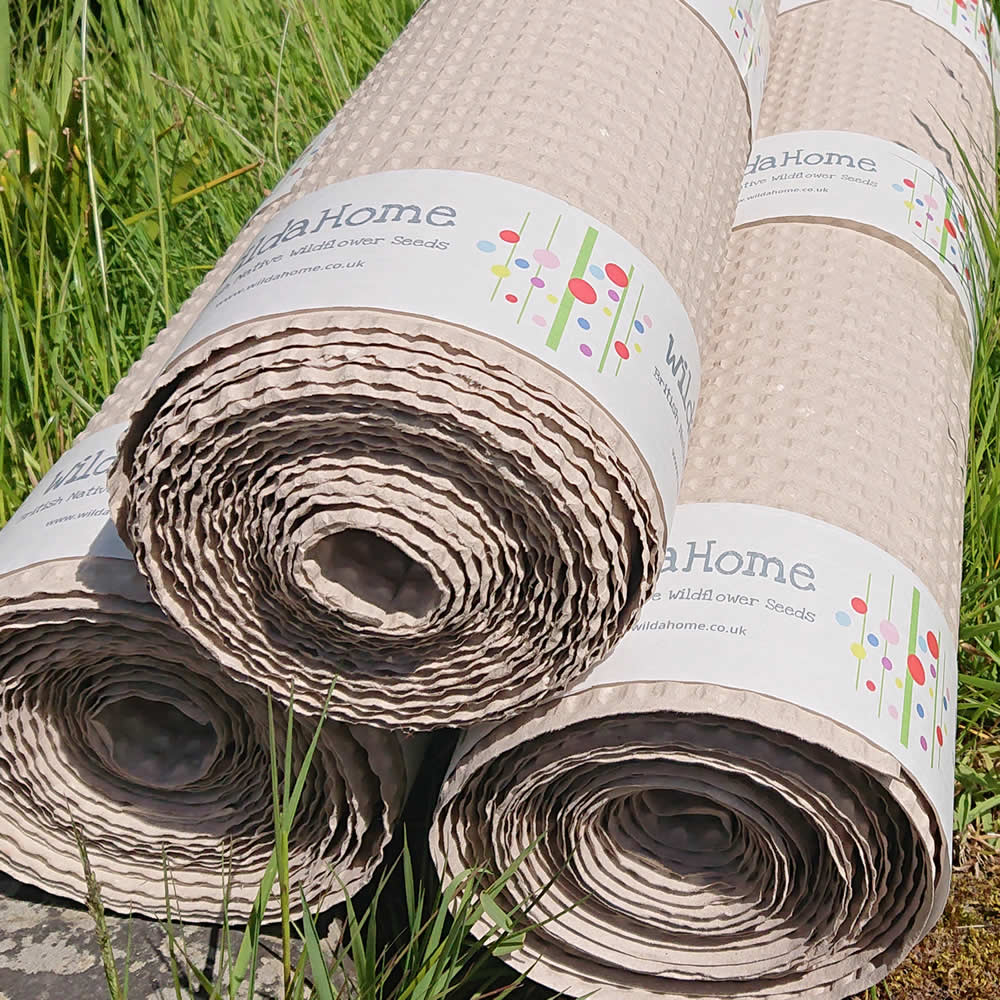
What is a Seed Mat?
What is Improver?
Red Deadnettle Seeds (Lamium purpureum)
£43.20 inc VAT
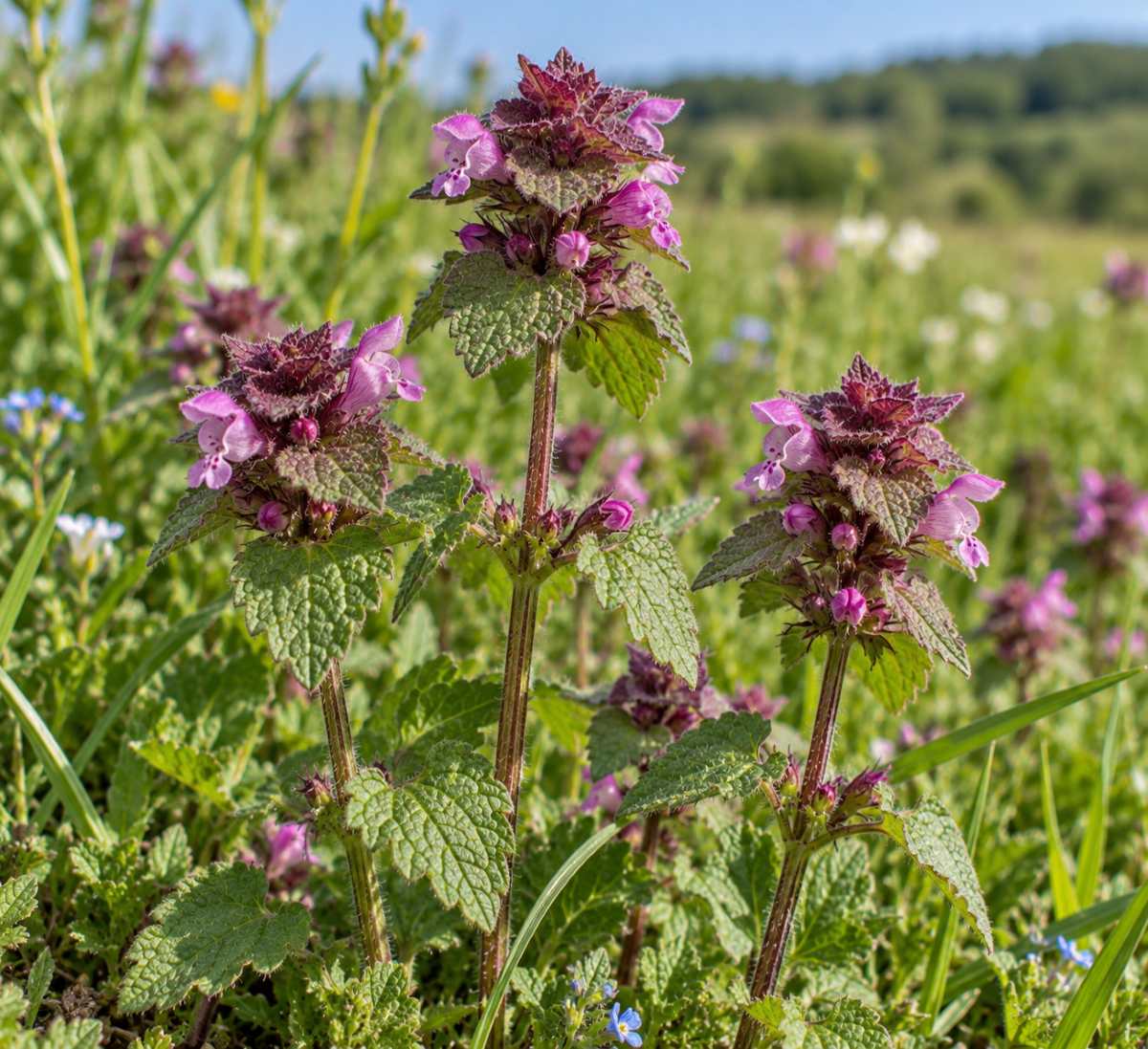
Red Deadnettle is a low, early-flowering plant with whorls of pink-purple flowers from March to October, a vital early nectar source for bumblebees on open ground.
🚚 UK delivery £5.95 per order
Larger area or a bespoke mix? Ask us for a quote →
About this product
Red Deadnettle (Lamium purpureum) is a low, spreading plant that grows just 7 to 30cm tall, with square stems and soft, heart-shaped, toothed leaves that take on a purple-red tint towards the top of the plant. From March through to October it carries small whorls of pink-purple, hooded flowers in the leaf axils. It is familiar on grassland edges, hedgerows and verges.
Its great value is timing: it is among the first flowers open in early spring, feeding queen bumblebees as they emerge, and it goes on flowering for months. Bees, hoverflies and butterflies all visit it. Although sometimes listed as a perennial, Red Deadnettle usually behaves as an annual, completing its life in one season and persisting by reseeding into open soil.
It grows on well-drained soil in full sun and is at home on disturbed, open ground such as the edge of a bed, a cultivated strip, an allotment margin or a bare patch in a verge. It will fade from a closed, undisturbed sward, so it is not a long-term meadow species. It works best where the ground is turned or scarified each year.
Sow in autumn or spring onto bare, cultivated ground, surface-sown and firmed in without covering; autumn sowings give the earliest flowers. Plants grow quickly and flower within weeks in mild weather. Let it set seed, then cultivate or rake over the area again in autumn to encourage the next generation. Combine with our 100% wildflower mixes or single species that share the same open, sunny conditions.
Frequently asked questions
What conditions does Red Deadnettle need?
Open, well-drained ground in full sun. It is a plant of disturbed soil and does not compete in dense, established grass.
When should I sow Red Deadnettle?
Autumn or spring, onto bare, cultivated soil. Surface-sow and firm in without covering.
Why is Red Deadnettle good for bees?
It flowers from March, feeding queen bumblebees as they emerge from hibernation, and continues into autumn for bees, hoverflies and butterflies.
Is Red Deadnettle an annual or a perennial?
It usually behaves as an annual, completing its life in one season and persisting by seed. It needs some bare, disturbed ground each year and fades from an undisturbed sward.
Ground Preparation
Choose an open, sunny spot on well-drained soil and cultivate or rake it to a fine, bare surface. It needs open ground rather than an established sward.
Sowing
Sow in autumn or spring, scattering seed thinly on the bare surface and firming it in. Leave uncovered; autumn sowings flower earliest.
Aftercare: Year 1
Germination is quick and plants flower within a few weeks in mild conditions. Little intervention is needed beyond keeping vigorous weeds from swamping it.
Once Established
It usually behaves as an annual, so let plants set seed and then disturb the soil again in autumn. It will fade from ground that is left undisturbed.
- Type: Perennial
- Height: 7-30cm
- Flowers: March-October
- Best Sown: Autumn or Spring
- Soil Requirement: Well-drained
- Light Requirement: Full sun
- Natural Habitat: Grasslands, hedgerows, road verges
- Also known as: Sweet Archangel, Bad Man’s Posies
- Seeds per gram: 1000
- Origin: Archaeophyte (long-naturalised)