

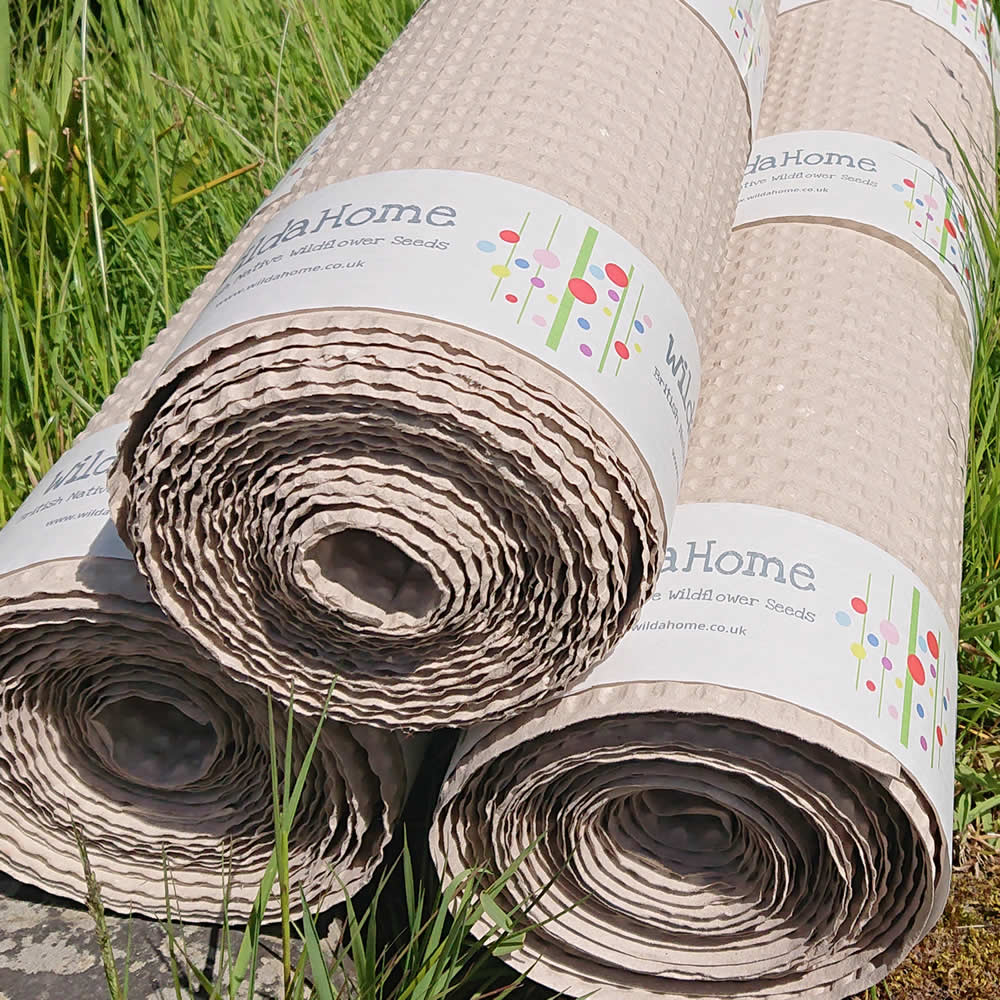
What is a Seed Mat?
What is Improver?
Salad Burnet Seeds (Sanguisorba minor)
£34.56 inc VAT
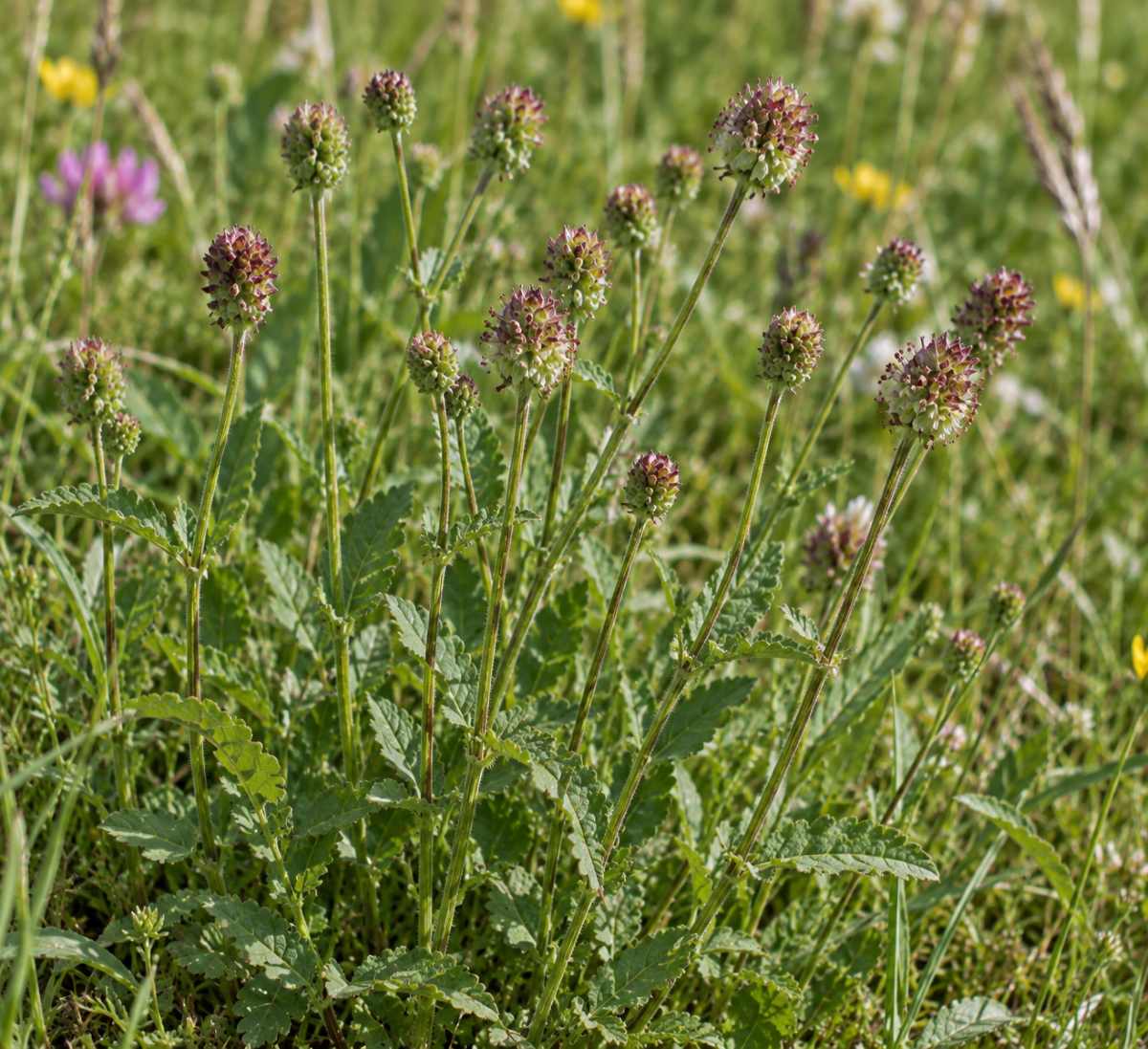
Salad Burnet is a native perennial of chalk grassland with neat, cucumber-scented leaves and small round red flower heads from May to August, sown in autumn.
🚚 UK delivery £5.95 per order
Larger area or a bespoke mix? Ask us for a quote →
About this product
Salad Burnet (Sanguisorba minor) is a compact native perennial of dry chalk and limestone grassland, growing 20 to 50cm tall. It forms a low, evergreen rosette of pinnate leaves with small, toothed leaflets, and sends up slender stems carrying tight, rounded heads of tiny reddish flowers from May to August, followed by small burred fruits. The leaves smell and taste of cucumber when crushed and have long been used in salads and drinks.
Salad Burnet is one of the reliable low-growing perennials of downland turf. It is wind-pollinated rather than a nectar plant, so its value lies in structure and longevity: the leafy rosettes stay green through winter, cope well with grazing and cutting, and knit into short, species-rich grassland alongside thymes, trefoils and small scabious.
It needs well-drained, low-fertility soil in full sun and is at its best on thin chalk or limestone ground, where it shrugs off drought. Avoid heavy, waterlogged or shaded sites and rich soils, where taller plants will crowd it out. It suits a chalk bank, a dry sunny verge, a downland-style meadow or a herb-rich lawn cut short in late summer.
Sow in autumn onto bare or scarified ground, surface-sown and firmed in without covering. Rosettes establish in the first year and flowering usually starts in the second summer. Cut or graze in late summer or autumn once seed has been shed and remove the cuttings to keep fertility low. Combine with our 100% wildflower mixes or single species that share the same dry, sunny conditions.
Frequently asked questions
What conditions does Salad Burnet need?
Full sun and well-drained, low-fertility soil. It is happiest on chalk or limestone and copes well with dry summers.
When should I sow Salad Burnet?
Autumn is best. Surface-sow onto bare or scarified ground and firm the seed in without covering it.
Is Salad Burnet good for wildlife?
It is wind-pollinated so it is not a major nectar plant, but its evergreen rosettes add structure to short downland turf and it is a long-standing part of species-rich chalk grassland.
Does Salad Burnet persist in a meadow?
Yes. It is a long-lived perennial that tolerates grazing and cutting, and once established it will hold its place in a low-fertility sward for many years.
Ground Preparation
Choose a sunny spot with thin, well-drained soil, ideally over chalk or limestone. Clear existing vegetation or scarify hard to expose bare soil, and do not add fertiliser or compost.
Sowing
Sow in autumn, scattering seed thinly on the surface and firming it in with a roller or your feet. Do not cover the seed.
Aftercare: Year 1
Rosettes form slowly in the first season, so keep surrounding growth short with a cut or two and remove the cuttings. Flowers are unlikely until year two.
Once Established
A long-lived perennial that tolerates cutting and grazing well. Cut in late summer or autumn after seed has dropped and clear the cut material.
- Type: Perennial
- Height: 20-50cm
- Flowers: May-August
- Best Sown: Autumn
- Soil Requirement: Well-drained
- Light Requirement: Full sun
- Natural Habitat: Chalky grasslands
- Also known as: Garden Burnet, Pimpernelle, Toper’s Plant
- Seeds per gram: 300
- Origin: UK native