

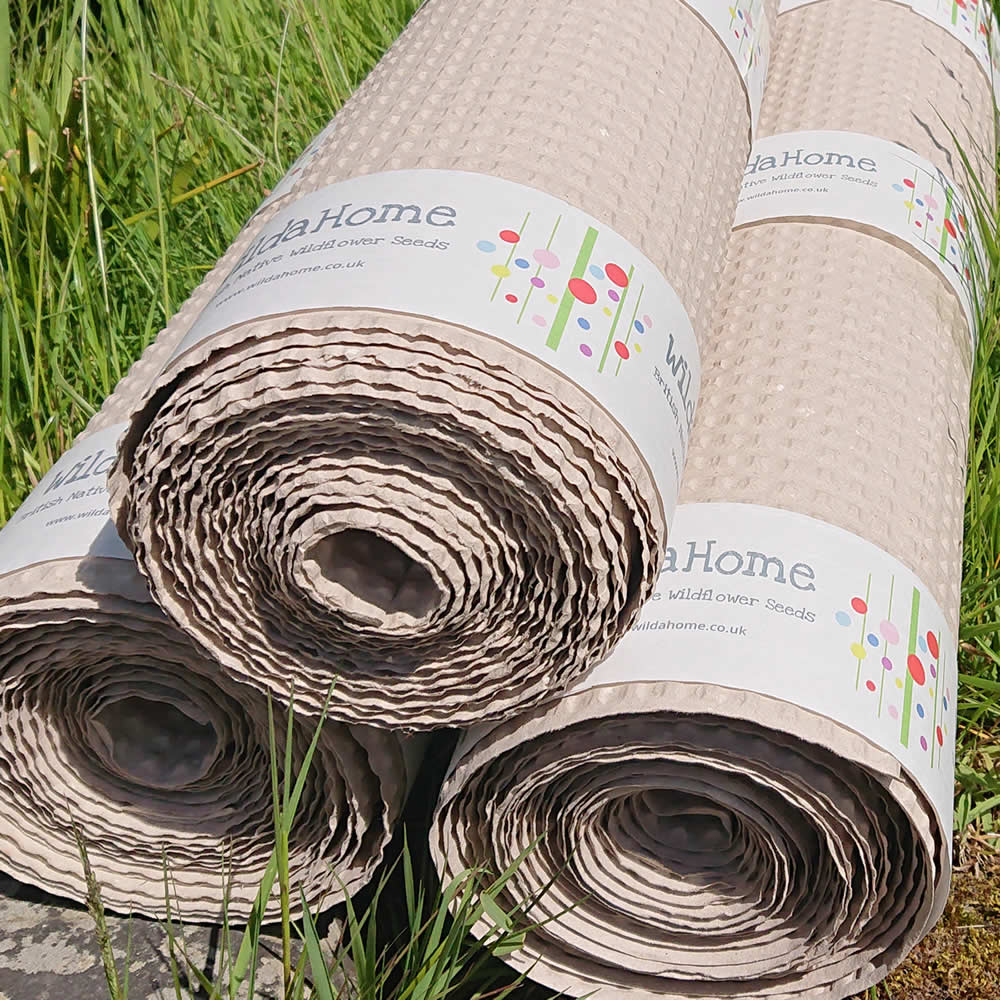
What is a Seed Mat?
What is Improver?
Teasel Seeds (Dipsacus fullonum)
£34.56 inc VAT
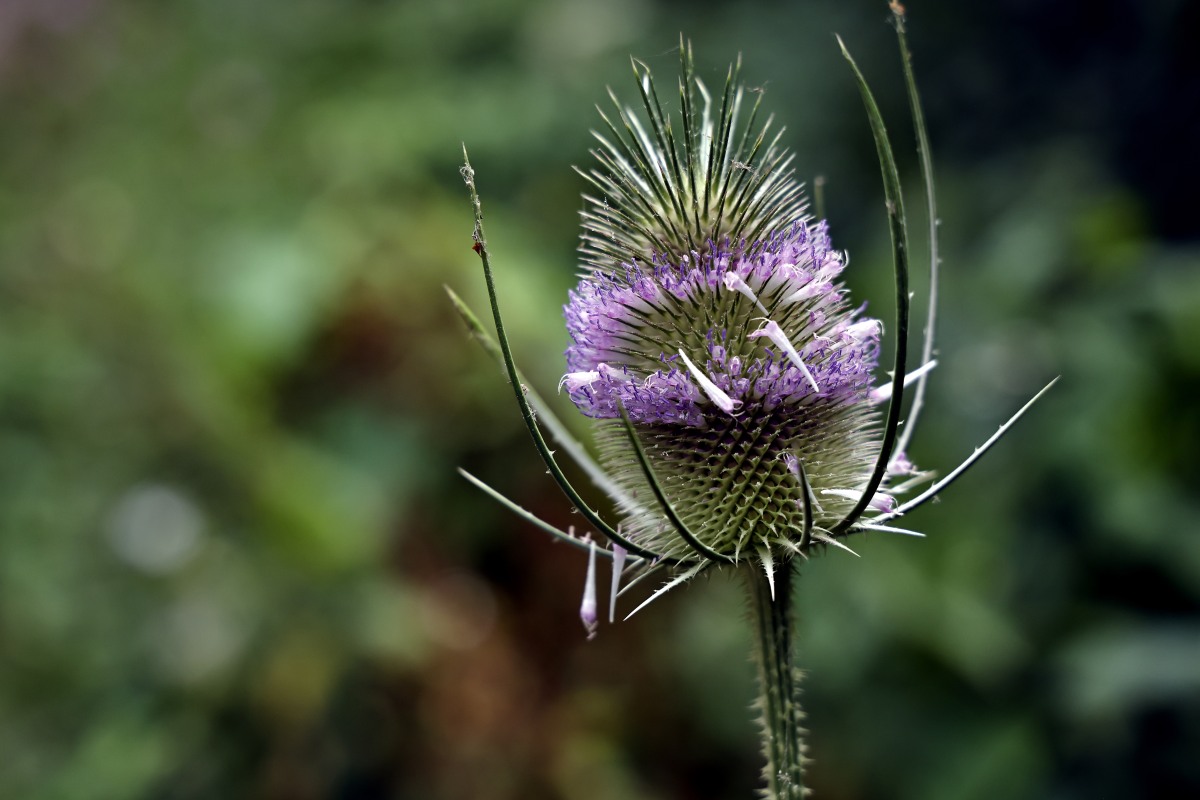
Teasel is a tall native biennial with spiny, egg-shaped flower heads ringed in lilac from July to August, feeding bees and butterflies, then goldfinches on the seed.
🚚 UK delivery £5.95 per order
Larger area or a bespoke mix? Ask us for a quote →
About this product
Teasel (Dipsacus fullonum) is a tall native biennial that can reach 60 to 200cm. In its first year it forms a broad rosette of prickly leaves; in its second it sends up a stiff, spiny stem with paired leaves that cup rainwater at their base, topped by egg-shaped, bristly flower heads. A band of small lilac florets opens around each head from July to August. It grows on river banks, damp grassland, woodland edges and rough ground.
Teasel is well known as a wildlife plant. The florets are worked by bumblebees, honeybees and butterflies, and the dried heads stand through winter holding seed that goldfinches in particular seek out. As a biennial it dies after flowering but self-seeds freely, so a patch will renew itself wherever there is a little bare ground.
It grows on most moist, well-drained soils, including heavy clay, in full sun or partial shade. It suits a field margin, a river or ditch bank, a hedge base, a rough corner or a large garden border. It can become dominant on bare, fertile soil, so it is best used where a bold, self-seeding plant is welcome rather than in a fine meadow sward.
Sow in autumn or spring onto bare or scarified ground, surface-sown and firmed in. Rosettes form in year one and flowering stems follow in year two. Leave the seed heads standing over winter for the birds, then cut back in late winter or early spring, and allow some seedlings to develop each year to keep the population going. Combine with our hedgerow and margin mixes or single species that share the same conditions.
Frequently asked questions
What conditions does Teasel need?
Moist, well-drained soil in full sun or partial shade. It is happy on heavy clay and disturbed ground.
When should I sow Teasel?
Autumn or spring, onto bare or scarified ground. Surface-sow and firm in without covering.
Is Teasel good for wildlife?
Yes. Bees and butterflies work the flowers in July and August, and goldfinches feed on the seed heads through autumn and winter.
Will Teasel come back every year?
It is a biennial, so each plant flowers once and dies, but it self-seeds freely and a patch renews itself if there is a little bare ground for seedlings.
Ground Preparation
Choose a site with moist but well-drained soil in sun or light shade; it tolerates heavy clay. Clear or scarify to expose bare soil, which it needs for germination.
Sowing
Sow in autumn or spring, scattering seed thinly on the surface and firming it in. Do not cover.
Aftercare: Year 1
A rosette of prickly leaves forms in the first season; there will be no flowers. Keep competing growth short around the rosettes without cutting them.
Once Established
Stems flower and seed in year two, then die. Leave heads standing over winter for goldfinches, cut back in late winter, and leave some bare ground so seedlings can replace the parent plants.
- Type: Biennial
- Height: 60-200cm
- Flowers: July-August
- Best Sown: Autumn or Spring
- Soil Requirement: Well-drained, moist
- Light Requirement: Full sun and partial shade
- Natural Habitat: Grasslands, river banks, woodlands
- Also known as: Adam’s Flannel, Shepherd’s Staff, Venus’ Basin
- Seeds per gram: 350
- Origin: UK native