


What is a Seed Mat?
What is Improver?
Acidic Soils 80/20 Meadow Mix
£19.50 – £2,142.00Price range: £19.50 through £2,142.00 inc VAT
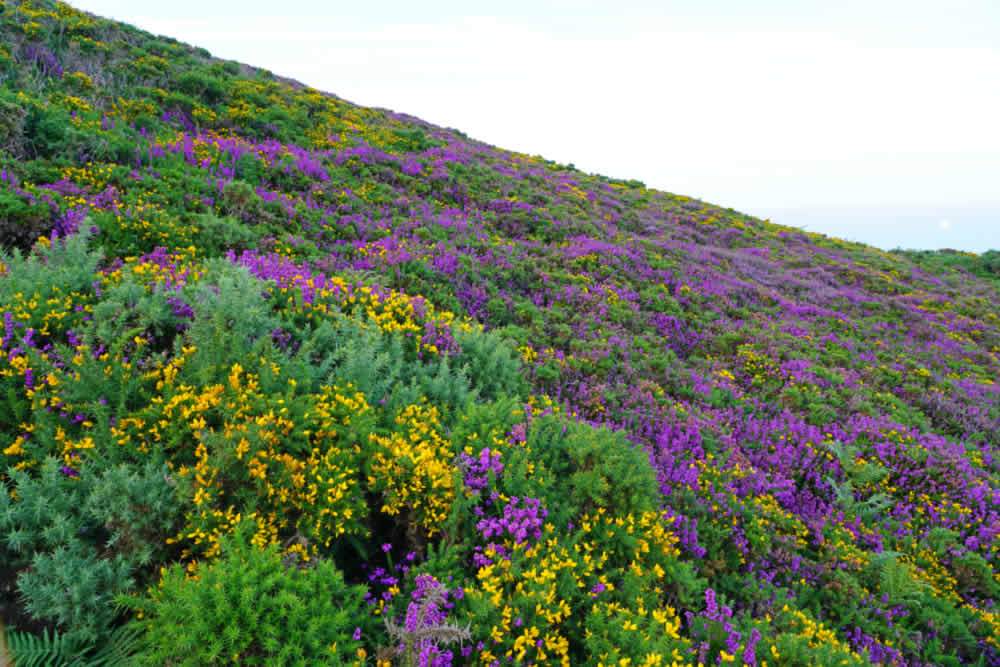
The Acidic Soils 80/20 mix is built for low-pH ground — heathland, moorland edge, upland grassland, and sandy lowland heath. Fine native grasses matched to acidic conditions form the sward matrix, with a 20% native wildflower component providing habitat and ecological value for specialist pollinators and invertebrates associated with heath and moorland.
The grass-and-flower structure gives this mix greater stability on exposed, wind-prone acidic sites than a 100% wildflower mix alone. It suits larger-scale heath and moorland restoration, upland farm margins, and amenity areas on naturally acidic ground.
Sow at 5g per square metre into scarified, low-nutrient acidic soil. Do not lime before sowing — the low pH is essential to species success. Autumn sowing works well. Avoid adding organic matter or topsoil. The mix establishes gradually and improves from year two as the perennial component matures.
Sourced from UK meadows and partner farms. 100% British native species throughout.
Frequently asked questions
What soils is the Acidic Soils 80/20 Meadow Mix designed for?
It is designed for heathland, moorland edge, upland grassland, and sandy lowland heath — any site with naturally low soil pH. Both the grass and wildflower components are matched to acidic conditions, giving the mix much better establishment than a standard wildflower mix on this ground.
Why choose the 80/20 version for acidic or heath ground?
On exposed, wind-prone acidic sites, the native grass matrix provides structural stability and ground cover that helps the wildflower component establish. This makes the 80/20 version preferable on larger-scale moorland restoration or upland farm margins where resilience is important.
How do I sow the Acidic Soils 80/20 Meadow Mix?
Sow at 5g per square metre into scarified, low-nutrient acidic soil. Do not lime before sowing — the low pH is essential to species success. Autumn sowing is well-suited to this mix. Avoid adding organic matter or topsoil. Establishment is gradual; the mix improves from year two.
What specialist wildlife does the Acidic Soils 80/20 mix support?
The wildflower component supports specialist pollinators associated with heath and moorland habitats — including several bumblebee species dependent on acidic-soil plants. The grass matrix provides habitat for ground-nesting invertebrates and birds associated with open heathland.
Agrimony, Fragrant, (Agrimonia procera), Bedstraw, Lady’s, (Galium verum), Betony, (Stachys officinalis), Buttercup, Meadow, (Ranunculus acris), Cat’s-ear, Common, (Hypochaeris radicata), Cornflower, (Centaurea cyanus), Daisy, Ox-eye, (Leucanthemum vulgare), Foxglove, Wild, (Digitalis purpurea), Knapweed, Common, (Centaurea nigra), Ragged Robin, (Lychnis flos-cuculi), Sage, Wood, (Teucrium scorodonia), Scabious, Devil’s-bit, (Succisa pratensis), Sneezewort, (Achillea ptarmica), Sorrel, Common, (Rumex acetosa), Sorrel, Sheep’s, (Rumex acetosella), St John’s-wort, Common, (Hypericum perforatum), Trefoil, Bird’s-foot, (Lotus corniculatus), Trefoil, Greater Bird’s-foot, (Lotus uliginosus), Vetch, Tufted, (Vicia cracca), Yarrow, (Achillea millefolium), Yellow-rattle, (Rhinanthus minor), Hard fescue, Slender Creeping red fescue, Timothy, Chewing’s fescue, Strong Creeping red fescue, Smooth-stalked meadow grass, Sheeps fescue, Tall oatgrass, Meadow foxtail
Ground Preparation
Sowing
Aftercare: Year 1 & Once Established
Flower Colours: Varied
Plant Height: up to 1.5 metres
Flowering Season: May to October
Setting: Acidic soils including peaty soils, moors, and heathland