

What is a Seed Mat?
What is Improver?
Coastal 80/20 Meadow Mix
£19.50 – £2,146.80Price range: £19.50 through £2,146.80 inc VAT
An 80/20 coastal meadow mix — wind and salt-tolerant native grasses with wildflowers for sandy or calcareous coastal soils.
🚚 UK delivery £5.95 per order
Larger area or a bespoke mix? Ask us for a quote →
About this product
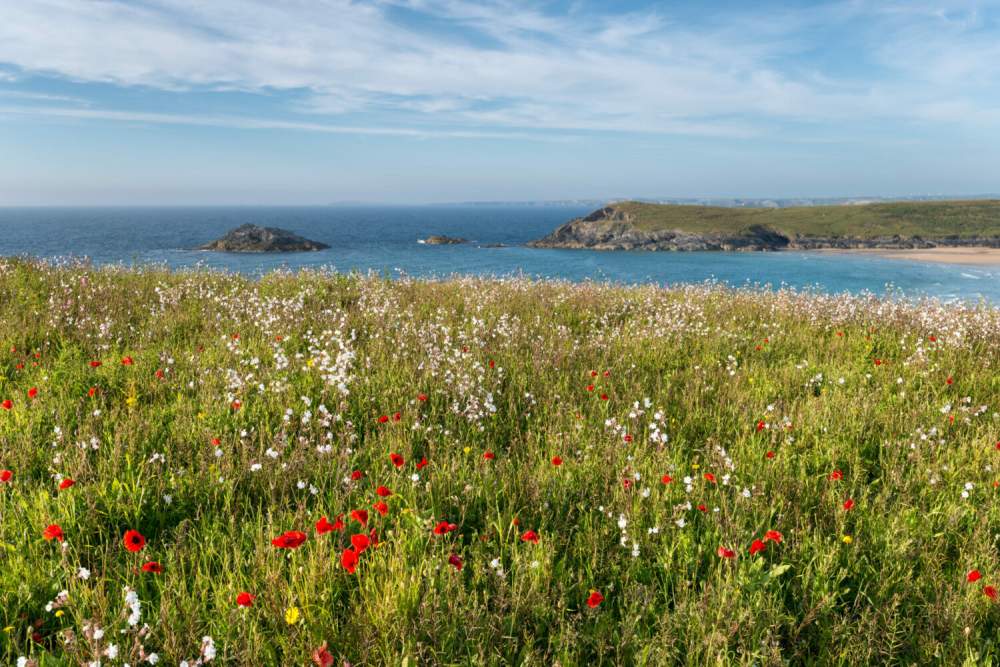
The Coastal 80/20 mix provides a structured grass-and-flower meadow for sites near the sea. Fine native grasses tolerant of salt wind and free-draining sandy or calcareous soils form the matrix, with a 20% native wildflower component adding ecological and visual value across the season.
The grass matrix gives coastal meadows stability on light soils that can shift in wind and erode on slopes. This makes the 80/20 version preferable to a 100% wildflower mix on more exposed or mobile sandy ground. Suitable for coastal gardens, clifftop amenity areas, and dune margins.
Sow at 5g per square metre into exposed sandy or calcareous soil. Firm the seedbed well after sowing. Spring and early autumn sowings both work. The grass establishes first and anchors the surface; wildflowers build from year two. Manage with a late-summer cut and remove cuttings.
Sourced from UK meadows and partner farms. 100% British native species — no cultivars.
Frequently asked questions
What coastal sites is the 80/20 Coastal Meadow Mix suitable for?
It is designed for coastal gardens, clifftop amenity areas, dune margins, and sandy or calcareous ground within reach of salt air. Both the grass and wildflower components are selected for tolerance of salt wind, drought, and the free-draining, low-nutrient soils typical of coastal habitats.
Why choose the 80/20 version rather than a 100% wildflower mix on the coast?
The native grass matrix anchors light sandy soils that can shift in wind, prevents surface erosion on slopes, and gives the meadow structural stability on exposed ground. On mobile sandy soils or steep coastal banks, the 80/20 version establishes and holds far more reliably than a wildflower-only mix.
How do I sow the Coastal 80/20 mix?
Sow at 5g per square metre into exposed sandy or calcareous soil. Firm the seedbed well after sowing — light coastal soils can be disturbed by wind before germination. Spring and early autumn sowings both work. The grass establishes first and anchors the surface; wildflowers build from year two.
What wildlife does the Coastal 80/20 mix attract?
The mix supports coastal pollinators including specialist bee species that favour open, low-vegetation coastal habitats. Butterflies and hoverflies benefit across the flowering season. The grass matrix provides cover for ground-nesting invertebrates associated with sandy coastal ground.
Bedstraw, Lady’s, (Galium verum), Campion, Bladder, (Silene vulgaris), Carrot, Wild, (Daucus carota), Cat’s-ear, Common, (Hypochaeris radicata), Clover, Haresfoot, (Trifolium arvense), Daisy, Ox-eye, (Leucanthemum vulgare), Evening-primrose, (Oenothera biennis), Goat’s-beard, (Tragopogon pratensis), Knapweed, Common, (Centaurea nigra), Knapweed, Greater, (Centaurea scabiosa), Marigold, Corn, (Chrysanthemum segetum), Poppy, Common, (Papaver rhoeas), St John’s-wort, Common, (Hypericum perforatum), Toadflax, Common, (Linaria vulgaris), Trefoil, Bird’s-foot, (Lotus corniculatus), Vetch, Kidney, (Anthyllis vulneraria), Viper’s Bugloss, (Echium vulgare), Yarrow, (Achillea millefolium), Yellow-rattle, (Rhinanthus minor), Hard fescue, Slender Creeping red fescue, Timothy, Chewing’s fescue, Strong Creeping red fescue, Smooth-stalked meadow, Sheeps fescue, Tall oat, Meadow foxtail
Ground Preparation
Sowing
Aftercare: Year 1 & Once Established
Flower Colours: Varied
Plant Height: up to 1.5 metres
Flowering Season: May to October
Setting: Coastal sites containing sandy, stony or calcareous loams