


What is a Seed Mat?
What is Improver?
Restoration 80/20 Meadow Mix
£19.50 – £2,157.60Price range: £19.50 through £2,157.60 inc VAT
An 80/20 restoration blend for degraded or species-poor ground — stable grass matrix with native wildflowers for long-term meadow habitat creation.
🚚 UK delivery £5.95 per order
Larger area or a bespoke mix? Ask us for a quote →
About this product
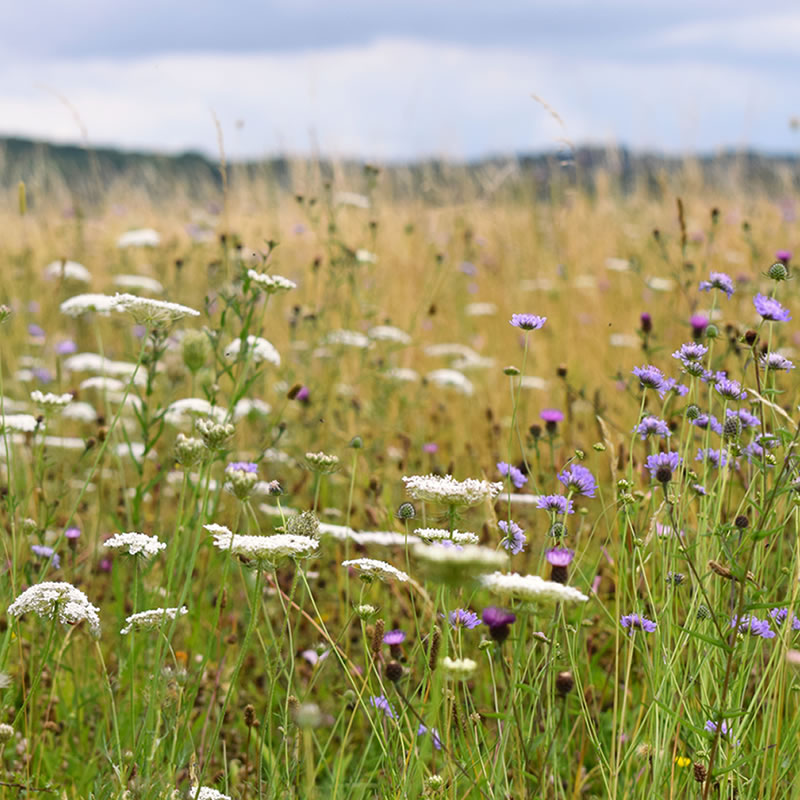
The Restoration 80/20 mix is designed for land being brought back — ex-arable fields, fertilised grassland, and degraded amenity ground where a structured, long-term meadow is the goal. The 80% fine native grass component provides stability and competition against weeds, while the 20% native wildflower component builds biodiversity value over time.
Well suited to farm restoration schemes, conservation projects, community meadows, and BNG delivery sites where the meadow needs to be both ecologically robust and visually effective. Pollinators and ground-nesting birds benefit as the sward matures.
Sow at 5g per square metre into thoroughly scarified, low-nutrient, exposed soil. Autumn sowing (August–September) gives the mix the best start, allowing natural cold stratification. Yellow Rattle can be added to suppress any residual competitive grass. Expect good structural establishment in year one and increasing wildflower content from year two.
Sourced from UK meadows and partner farms. 100% British native species throughout.
Frequently asked questions
What land is the Restoration 80/20 Meadow Mix designed for?
It is designed for degraded, species-poor, or ex-arable ground being brought back into wildflower meadow. The grass matrix provides weed competition and structural stability while the wildflower component builds biodiversity over time. Well suited to farm restoration, BNG delivery sites, and community meadow schemes.
Why choose an 80/20 mix over a 100% wildflower mix for restoration?
On degraded or previously cultivated ground, the native grass matrix helps compete against weeds and provides a stable sward structure that persists through difficult first seasons. This makes the 80/20 version more resilient on challenging restoration sites than a 100% wildflower mix.
How do I sow the Restoration 80/20 Meadow Mix?
Sow at 5g per square metre into thoroughly scarified, low-nutrient, exposed soil. Autumn sowing (August to September) is preferred, allowing natural cold stratification. Adding Yellow Rattle to the sowing plan helps suppress residual competitive grass. Expect good structural establishment in year one.
How long does a restoration meadow take to establish with this mix?
The grass matrix establishes in year one and provides structural cover. Wildflowers build from year two, and the meadow matures into a stable, species-rich sward from year three onwards. Annual late-summer cutting and cuttings removal is essential throughout to maintain low soil fertility.
Bedstraw, Lady’s, (Galium verum), Black Medick, (Medicago lupulina), Burnet, Salad, (Sanguisorba minor), Buttercup, Meadow, (Ranunculus acris), Campion, Red, (Silene dioica), Campion, White, (Silene alba), Carrot, Wild, (Daucus carota), Chamomile, Corn, (Anthemis arvensis), Corn Cockle, (Agrostemma githago), Cornflower, (Centaurea cyanus), Daisy, Ox-eye, (Leucanthemum vulgare), Goatsbeard, (Aruncus dioicus), Knapweed, Common, (Centaurea nigra), Marigold, Corn, (Chrysanthemum segetum), Meadowsweet, (Filipendula ulmaria), Poppy, Common, (Papaver rhoeas), Scabious, Field, (Knautia arvensis), Self-heal, (Prunella vulgaris), Sorrel, Common, (Rumex acetosa), Trefoil, Bird’s-foot, (Lotus corniculatus), Vetch, Tufted, (Vicia cracca), Yarrow, (Achillea millefolium), Yellow Rattle, (Rhinanthus minor), Hard Fescue, Slender Creeping Red Fescue, Timothy, Chewings Fescue, Strong Creeping Red Fecsue, Smooth-stalked meadow, Sheeps fescue, Tall Oat, Meadow foxtail
Ground Preparation
Sowing
Aftercare: Year 1 & Once Established
Flower Colours: Varied
Plant Height: up to 2 metres
Flowering Season: April to October
Setting: Range of soil types