

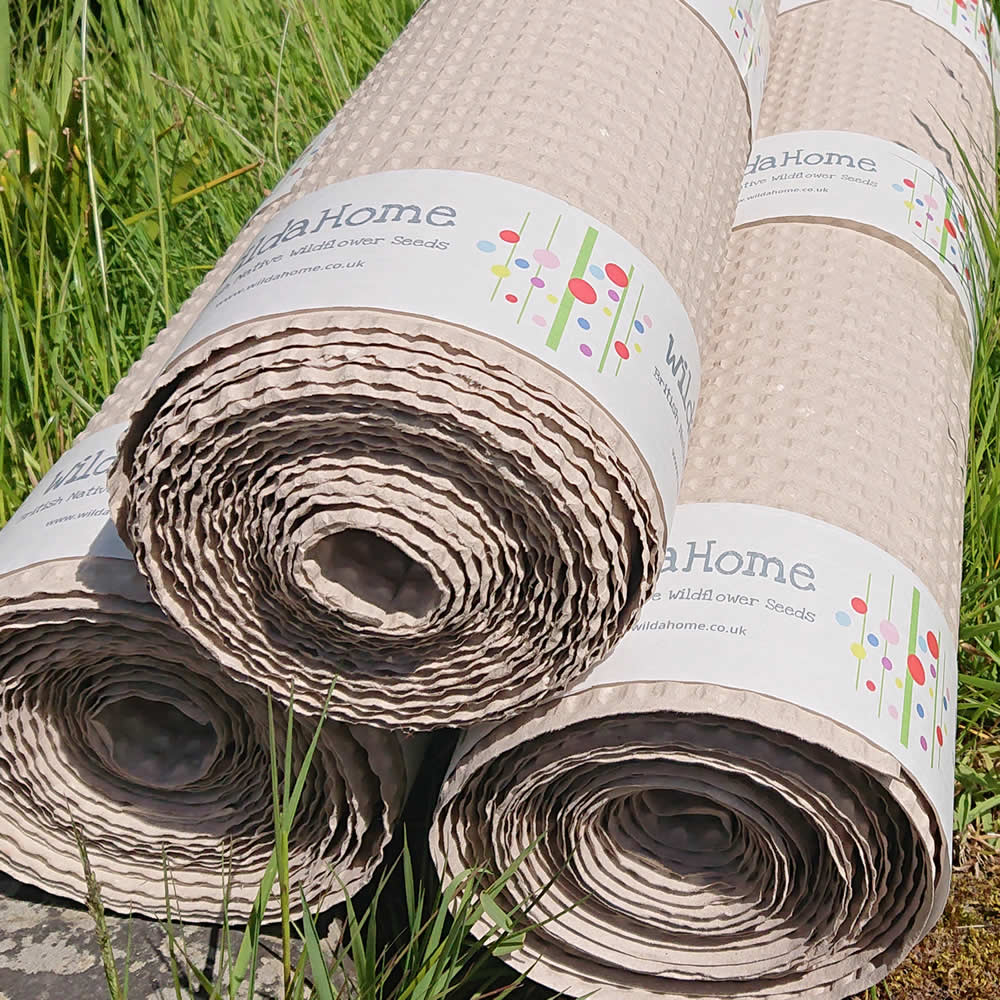
What is a Seed Mat?
What is Improver?
Wild Daffodil Seed (Narcissus pseudonarcissus)
£36.00 – £240.00Price range: £36.00 through £240.00 inc VAT
Seed of the native wild daffodil or Lent lily, for naturalising damp woodland, orchards, riversides and meadows over the long term. Sow at 1g per m² as soon as it arrives in autumn. First flowers after five to seven years.
Growing from seed? Read our guide to growing native bulbs from seed: when to sow, what the first years look like, and when to choose bulbs instead.
🚚 UK delivery £5.95 per order (£7.94 with seed mats, 5kg+ bags or 1,000-bulb packs) · usually dispatched within 5 working days
Larger area or a bespoke mix? Ask us for a quote →
About this product
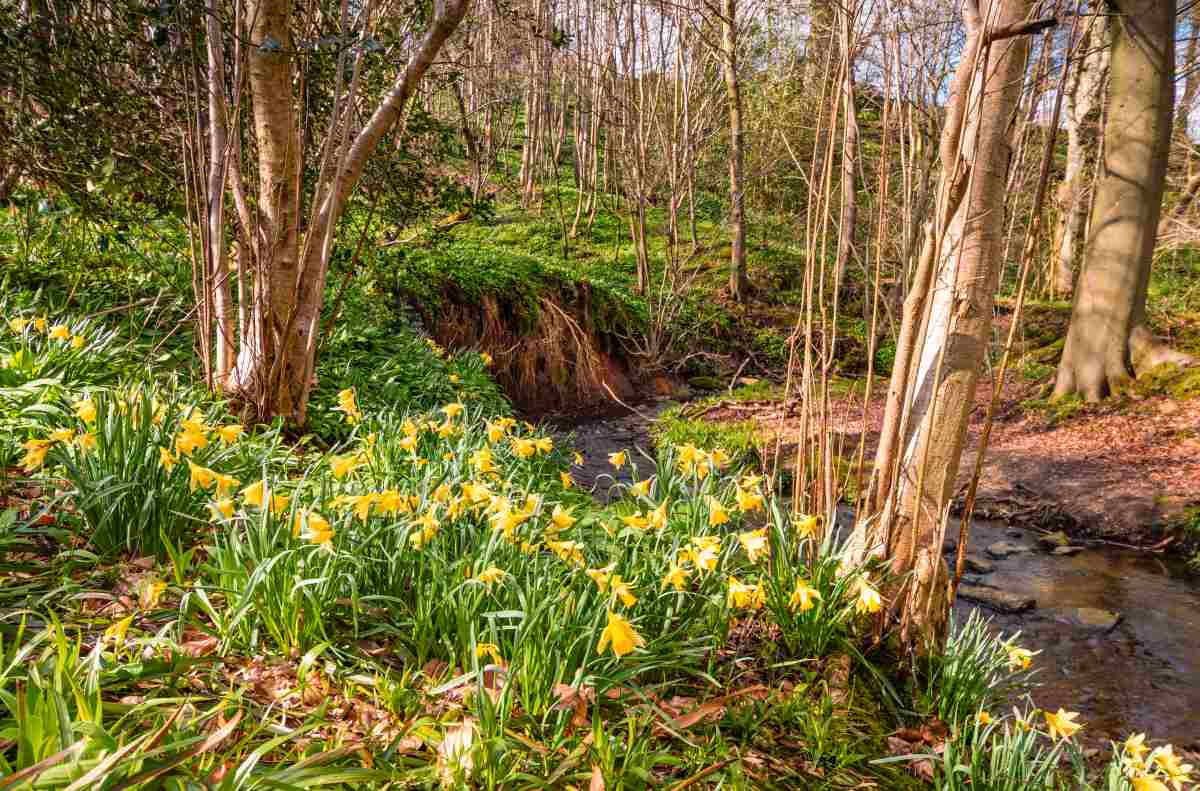
The wild daffodil (Narcissus pseudonarcissus), also called the Lent lily, is the small, two-toned daffodil of old woods, damp meadows and riversides: pale primrose petals around a deeper yellow trumpet, on stems 20 to 35cm tall in March and April. It is the national flower of Wales, a valuable early nectar source for queen bumblebees, and far more graceful in a natural setting than the large garden cultivars that are often planted in its place.
Why grow wild daffodils from seed
Wild daffodils have become scarce across much of their former range, and many “naturalised” daffodils in verges and parks are cultivars or hybrids. Seed of the true species gives you genetically varied plants that behave like a wild population, at a much lower cost per plant than bulbs. It is the right choice for woodland creation, orchard floors, coppice restoration, riverside planting and large estate schemes where you are planting for decades rather than for next spring.
What to expect
Wild daffodil is the slowest of the native bulbs to raise from seed. The embryo inside the seed is not fully formed when it is shed: it grows through late summer and autumn, and the seed then germinates in autumn or winter. Seedlings make one thin leaf a year while the bulb builds, and first flowers usually appear after five to seven years. For flowers in the meantime, plant wild daffodil bulbs where people will see them and use seed for scale elsewhere.
Where wild daffodils grow
Moist, reasonably fertile ground in light shade or open sun: deciduous woodland edges, coppice, old orchards, hedgebanks, riverbanks and damp hay meadows. They tolerate grass well provided it is not cut until the leaves have died back, usually by late June. Avoid hot, dry, free-draining soils.
All parts of the plant are poisonous if eaten, including the bulbs, so do not sow where it could be confused with wild garlic for foraging. For a mixed woodland effect, see our Woodland Bulb Seed Mix or browse the native bulb seed range.
Frequently asked questions
How long do wild daffodils take to flower from seed?
Usually five to seven years. The seedling makes one narrow leaf a year while the bulb grows, and only flowers once the bulb reaches flowering size.
When should I sow wild daffodil seed?
In late summer or autumn, as soon as possible after you receive it. The seed becomes more dormant if it dries out or is stored, so prompt sowing gives the best germination, usually in the first autumn or winter.
What is the difference between wild daffodils and garden daffodils?
The wild daffodil is a small native species, 20 to 35cm tall, with pale petals and a deeper yellow trumpet. Garden daffodils are larger cultivars bred for showy flowers and can hybridise with wild populations.
Can wild daffodils grow in grass?
Yes, they naturalise well in grass and meadows provided it is not mown or cut until the leaves have died back, usually by late June.
Are wild daffodils poisonous?
Yes. All parts are poisonous if eaten, especially the bulbs. Keep them away from areas used for foraging wild garlic, where the leaves could be confused.
How much wild daffodil seed do I need?
Sow at 1g per m². A 10g pack covers about 10m², 50g about 50m² and 100g about 100m².
When to sow
Sow from late summer to late autumn, as soon as possible after the seed arrives. Wild daffodil seed becomes more dormant if it dries out or is stored for long, so sow it promptly and do not keep it over winter.
Ground preparation
Choose moist ground in sun or light shade. Clear coarse growth, cut existing grass short and scarify or scratch the surface to expose at least half bare soil. No compost, manure or fertiliser.
Sowing
Bulk the seed with dry sand and scatter on the surface at 1g per m². Tread or roll it in, or cover with a thin layer of leaf mould or fine soil. Seed can also be sown in deep pots in a cold frame and planted out as small bulbs after two years.
Years 1 to 4
Expect single, narrow, grass-like leaves each spring that die back by early summer. Keep bramble and coarse weeds down and do not cut or mow between February and late June.
Year 5 onwards
First flowers usually appear between years five and seven. Leave the seed heads to ripen and the leaves to die back naturally, then cut grass in July with the rest of the meadow or woodland ride.
- Type: Bulbous perennial (supplied as seed)
- Height: 20-35cm
- Flowers: March-April
- Best Sown: Late summer to late autumn, as soon as received
- Sowing Rate: 1g per m²
- Time to flower from seed: 5-7 years
- Soil Requirement: Moist, moderately fertile
- Light Requirement: Full sun to partial shade
- Natural Habitat: Damp woodland, riversides, meadows, orchards, coppice
- Also known as: Lent lily, Cennin Pedr
- Toxicity: All parts poisonous if eaten
- Origin: UK native