

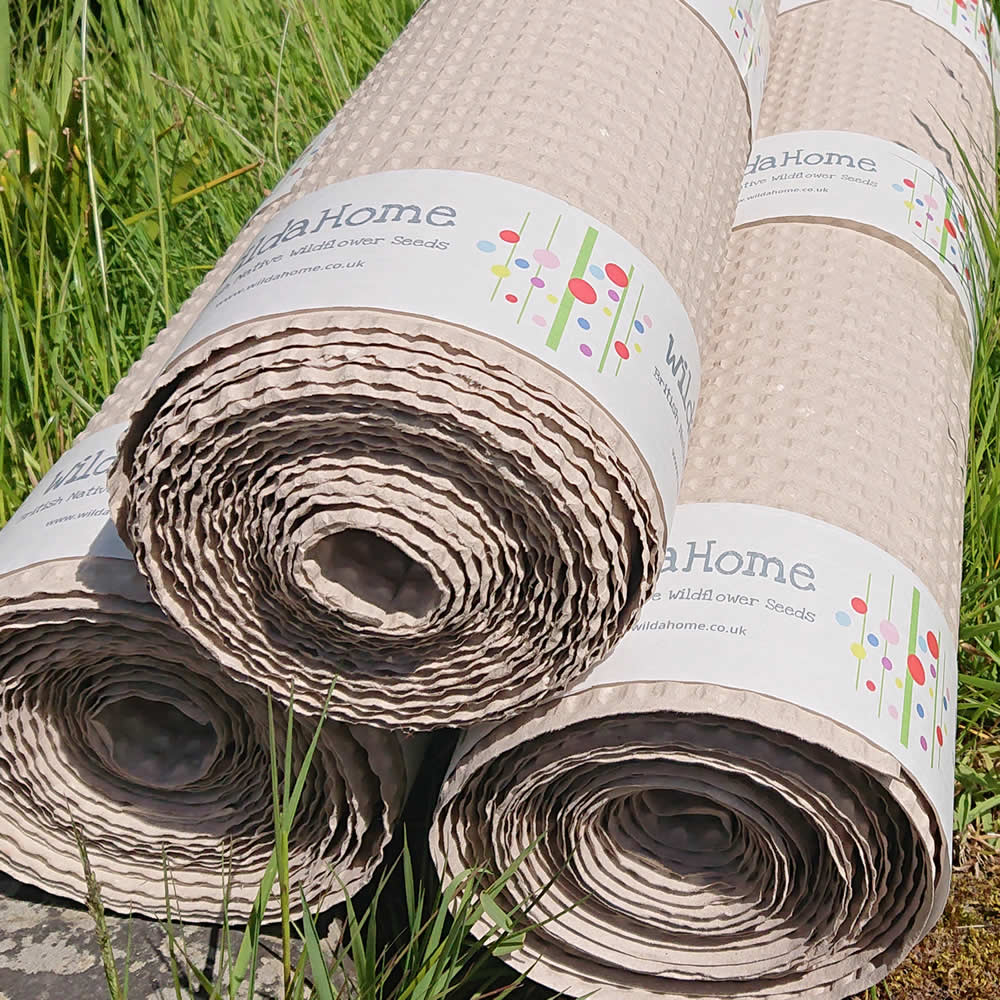
What is a Seed Mat?
What is Improver?
Woodland Bulb Seed Mix (Bluebell, Wild Daffodil & Wild Garlic)
£22.50 – £187.50Price range: £22.50 through £187.50 inc VAT
A native woodland bulb seed mix of 60% bluebell, 25% wild daffodil and 15% wild garlic, for a succession of spring flowers from March to June under trees and along shaded banks. Sow at 1g per m² in autumn.
Growing from seed? Read our guide to growing native bulbs from seed: when to sow, what the first years look like, and when to choose bulbs instead.
🚚 UK delivery £5.95 per order (£7.94 with seed mats, 5kg+ bags or 1,000-bulb packs) · usually dispatched within 5 working days
Larger area or a bespoke mix? Ask us for a quote →
About this product
This mix brings together the three native bulbs that define a British woodland spring: bluebell (60% by weight), wild daffodil (25%) and wild garlic (15%). Between them they flower from March to June, with wild daffodils first, then wild garlic and bluebells overlapping in April and May. It is designed for open woodland, woodland edges, new tree planting, coppice, orchards, hedge verges, stream sides and damp meadow margins where you want a natural, layered spring flora rather than a single species.
Why this ratio
Bluebell makes up the majority because it is the backbone of the woodland floor and tolerates the widest range of shade. Wild daffodil is included at a quarter of the mix to give early colour on the lighter edges and in damper ground. Wild garlic is kept to 15% deliberately: it establishes fastest and can dominate moist soils, so a smaller share lets it fill gaps in the early years without crowding out the slower bluebells and daffodils. Over time each species settles where the conditions suit it best, which is how a natural woodland flora develops.
What success looks like
Bulb seed is a long-term investment. Expect wild garlic seedlings in the first spring and flowers in years two to three; bluebells flower from about year four to six, and wild daffodils from year five to seven. By year eight to ten you should have a mixed, self-sustaining spring layer that continues to spread by seed and bulb division without further input. For immediate impact in key spots, add woodland bulbs or bulbs in the green.
Site and management
Choose ground with dappled shade and moist soil that does not dry out in spring. Clear coarse vegetation, expose bare soil and sow on the surface in autumn. Do not add fertiliser or compost, and do not mow or strim between February and the end of June while leaves are growing. Wild daffodil is poisonous, so this mix is not intended for foraging plots.
Prefer a single species? See bluebell seed, wild daffodil seed and wild garlic seed, or the whole native bulb seed range.
Frequently asked questions
What is in the Woodland Bulb Seed Mix?
Native bluebell (60% by weight), wild daffodil (25%) and wild garlic or ramsons (15%), all UK native species.
How long does a woodland bulb seed mix take to flower?
Wild garlic flowers first, usually in years two to three. Bluebells follow from about year four to six and wild daffodils from year five to seven. A full, mixed spring display builds over eight to ten years.
When should I sow woodland bulb seed?
Late summer to late autumn, as soon as you receive it. All three species need autumn and winter conditions to germinate, so spring sowing or storing the seed reduces results.
How much woodland bulb seed mix do I need?
Sow at 1g per m². A 10g pack covers about 10m², 50g about 50m² and 100g about 100m².
Can I sow the woodland bulb mix under new trees?
Yes. It suits new woodland and tree planting well, sown into bare ground between the trees. The bulbs will be establishing as the canopy develops, which mirrors how woodland flora naturally colonises.
Why is there less wild garlic in the mix?
Wild garlic establishes fastest and can dominate moist soils. Keeping it to 15% lets it fill gaps early without crowding out the slower bluebells and wild daffodils.
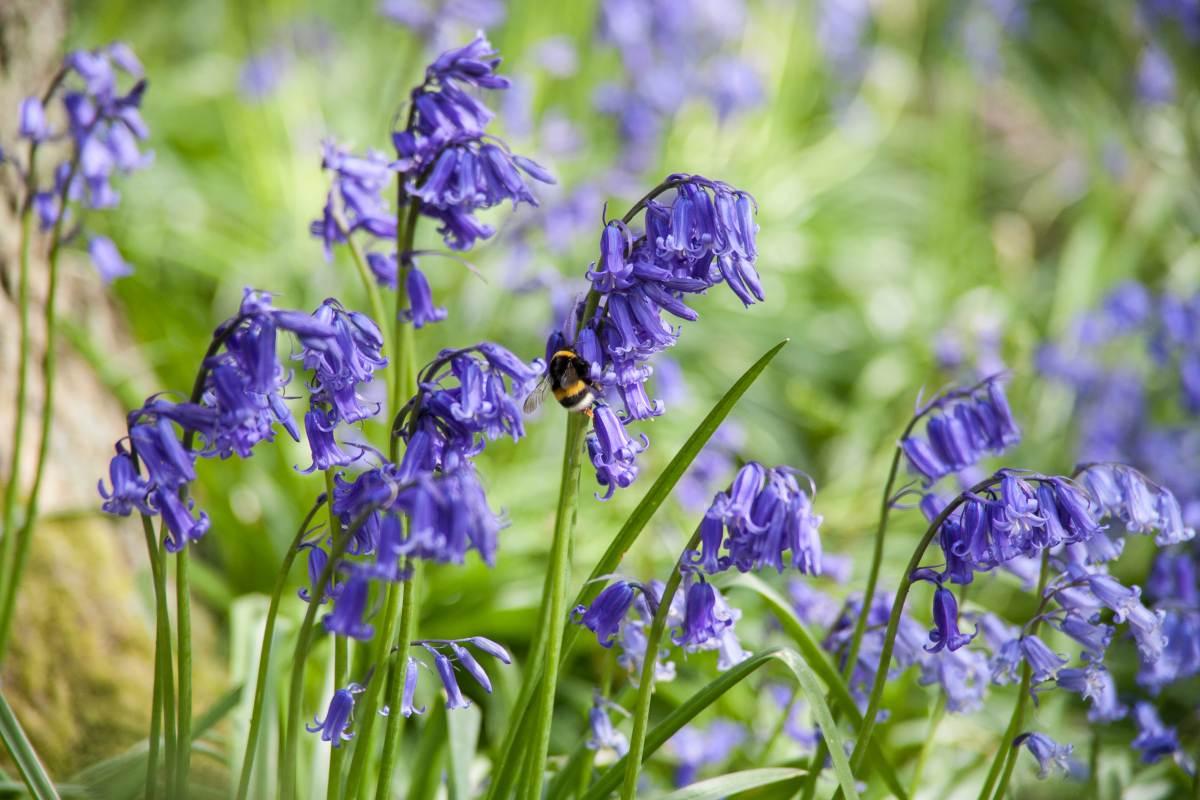
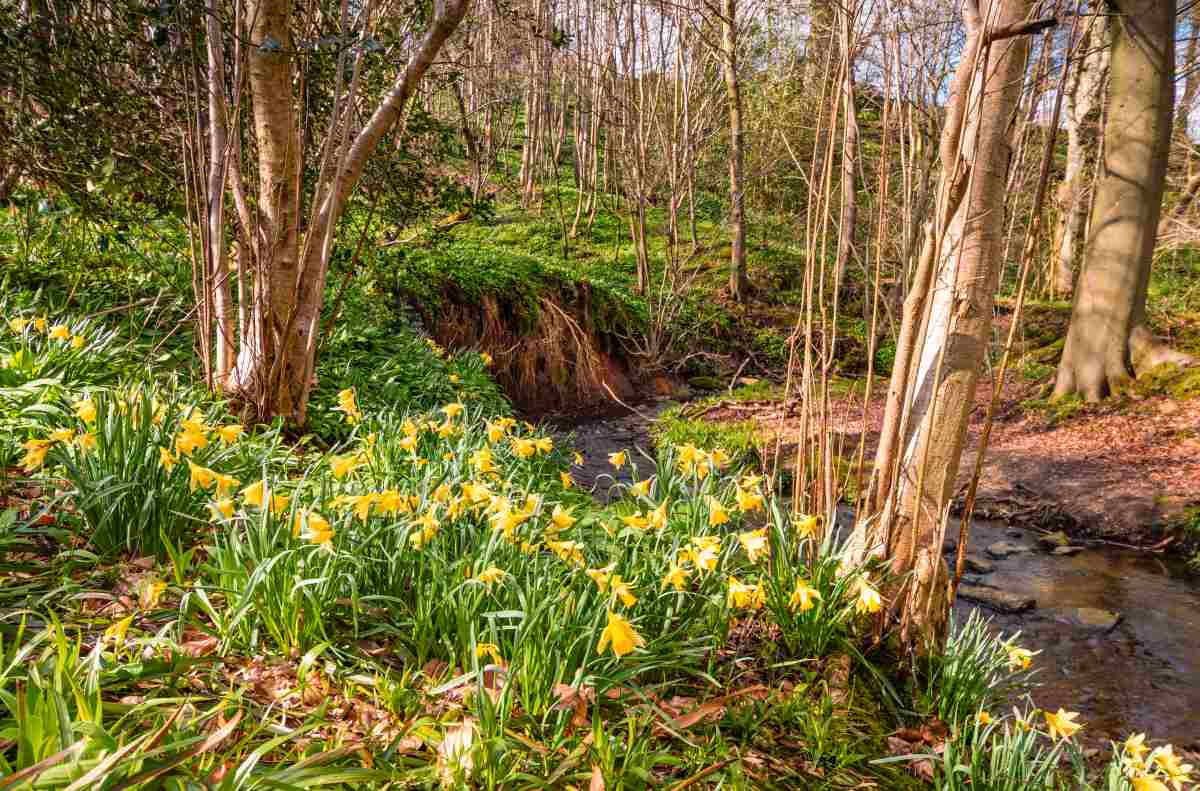
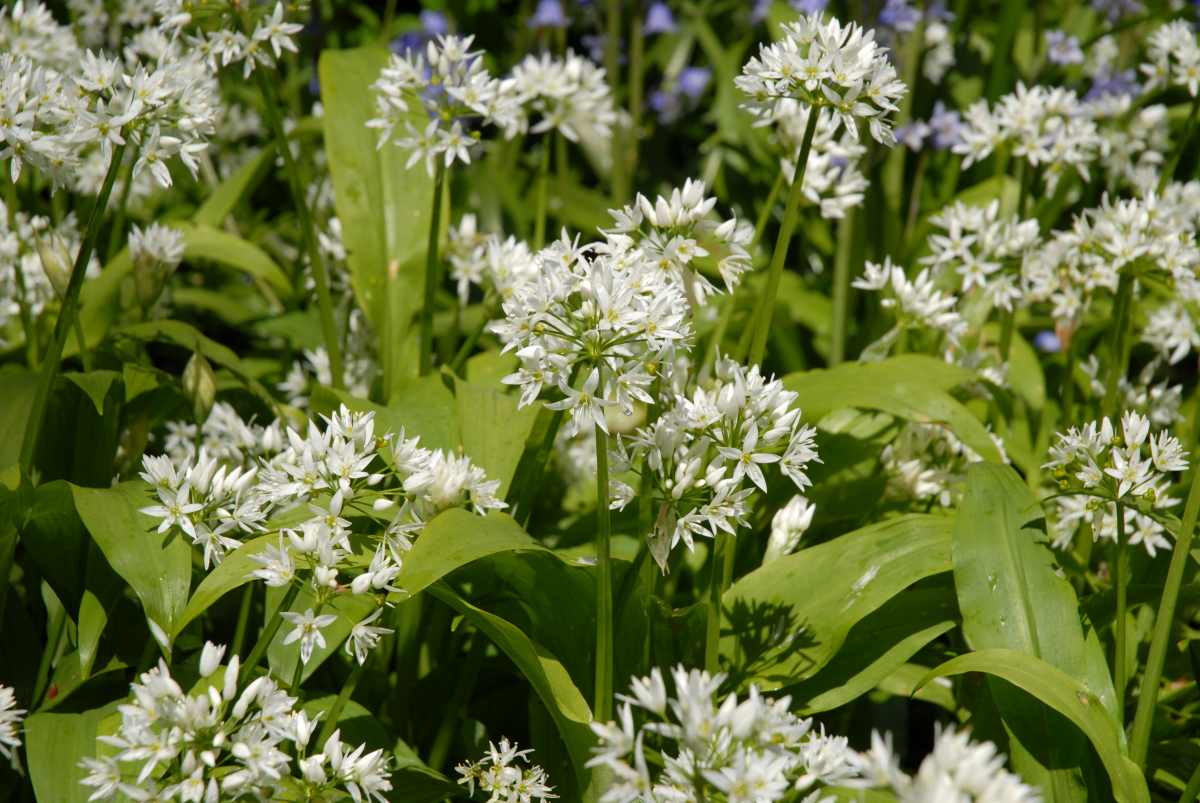
Bluebell (Hyacinthoides non-scripta) 60%, Wild Daffodil (Narcissus pseudonarcissus) 25%, Wild Garlic / Ramsons (Allium ursinum) 15% – by weight
When to sow
Sow from late summer to late autumn, as soon as possible after the seed arrives. All three species need autumn and winter conditions to germinate; do not store the seed over winter.
Ground preparation
Choose shaded or part-shaded ground with moist soil. Clear bramble, nettle and dense grass, scratch the surface to expose bare soil and leave leaf litter in place. No compost, manure or fertiliser.
Sowing
Shake the pack well, then mix the seed with dry sand and scatter on the surface at 1g per m². Tread or roll it in, or cover very lightly with leaf mould.
Years 1 to 3
Wild garlic seedlings appear first, followed by thin, grass-like bluebell and daffodil leaves. Mark the area, keep coarse weeds down and do not mow between February and late June.
Year 4 onwards
Bluebells and then wild daffodils begin to flower. Let all three set seed and die back naturally. The colony will thicken and spread by itself.
- Mix: Bluebell 60%, Wild Daffodil 25%, Wild Garlic 15% (by weight)
- Height: 5-60cm
- Flowers: March-June
- Best Sown: Late summer to late autumn
- Sowing Rate: 1g per m²
- Time to flower from seed: 2-7 years depending on species
- Soil Requirement: Moist, humus-rich
- Light Requirement: Dappled or partial shade
- Suits: Open woodland, woodland edges, hedge verges, stream sides, damp meadow margins
- Origin: UK native species