

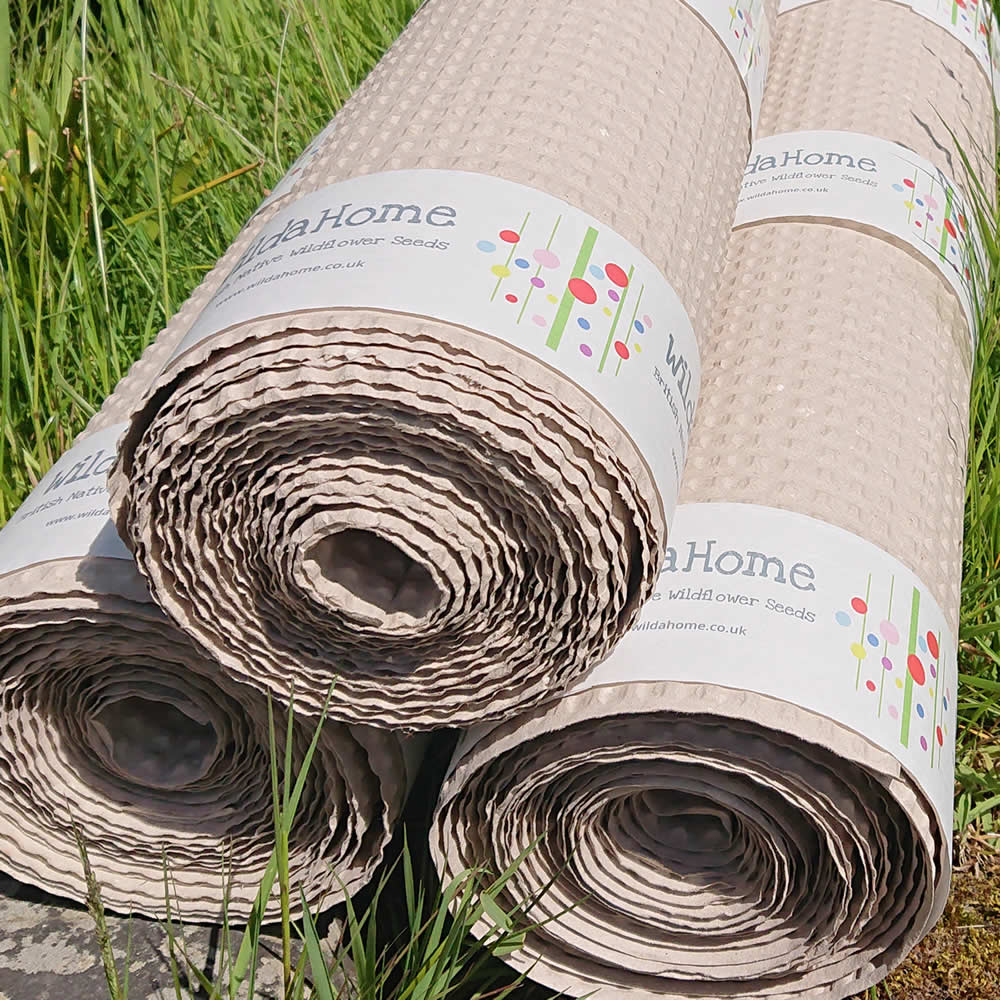
What is a Seed Mat?
What is Improver?
Tenby – Welsh Wild Daffodil Bulbs (Narcissus obvallaris)
£19.20 – £1,920.00Price range: £19.20 through £1,920.00 inc VAT
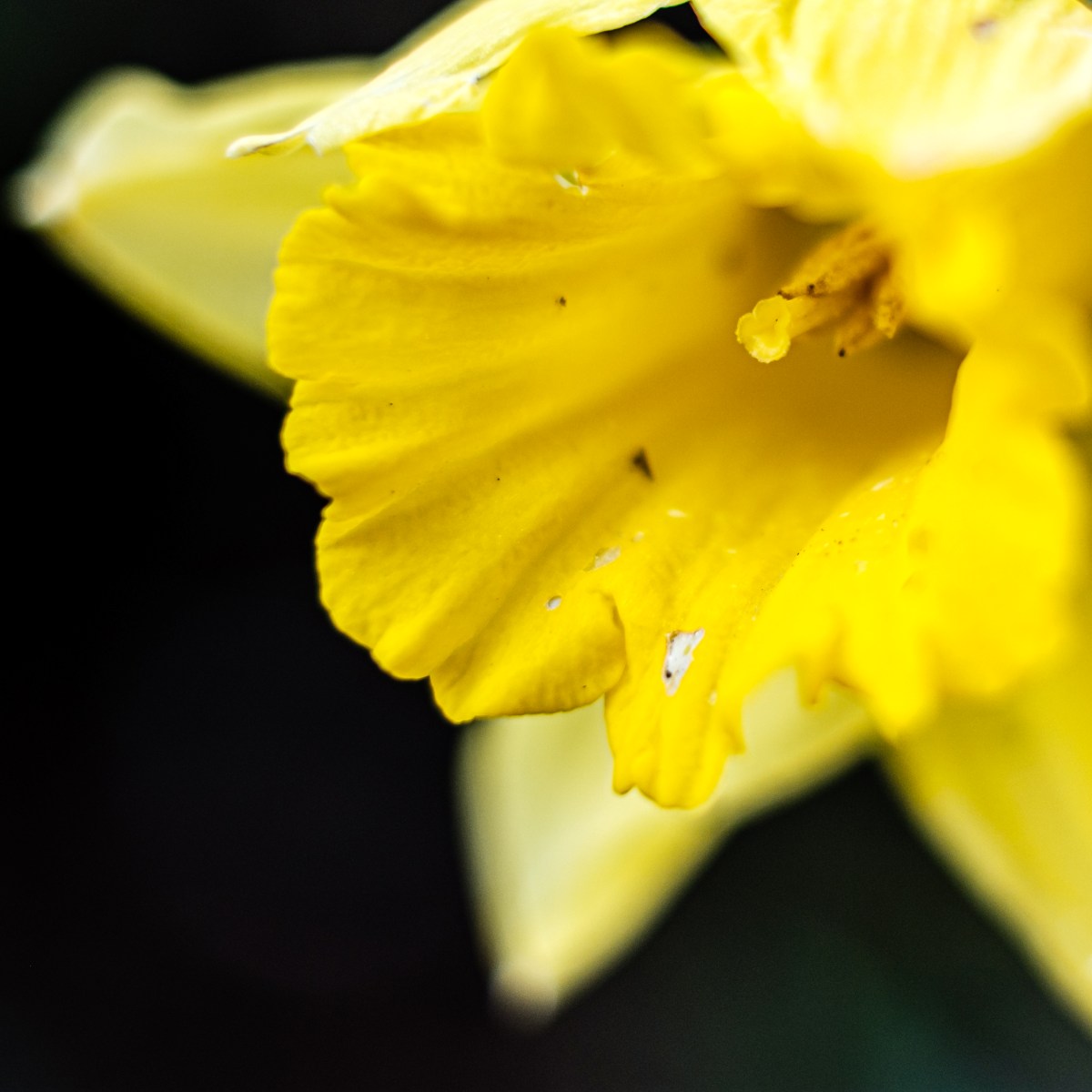
The Tenby Daffodil (Narcissus obvallaris) is a distinct native species with a strong claim to being the true Welsh daffodil — the compact, golden-yellow flower long associated with Wales and St David’s Day. Unlike the common cultivated daffodil, it is entirely self-coloured, with a uniform bright yellow perianth and trumpet, and stands 20–30cm tall.
It flowers from March into April and is particularly well suited to naturalising in short grass, on rocky or stony ground, in light woodland, and on steep banks where larger daffodil cultivars look out of scale. Once established it multiplies reliably by offset, building into dense clumps that return every spring without lifting or replanting.
Plant in autumn at 8–10cm depth in well-drained soil. It tolerates both sun and partial shade and performs especially well on thin, stony, or free-draining soils where drainage is good over winter. Avoid waterlogged ground. Leave foliage to die back naturally after flowering — cutting too early reduces vigour the following year.
UK native species, genuinely sourced. A compact, characterful native alternative to cultivated daffodil varieties.
Frequently asked questions
What makes the Tenby Daffodil different from other daffodils?
The Tenby Daffodil (Narcissus obvallaris) is a distinct native species, not a cultivar. It is entirely self-coloured — uniform bright yellow throughout the perianth and trumpet — and is compact at 20 to 30cm tall. It is strongly associated with Wales and is considered by many to be the true Welsh daffodil, distinct from the paler two-tone wild daffodil found elsewhere in Britain.
Where does the Tenby Daffodil grow best?
It naturalises well in short grass, on rocky or stony ground, in light woodland, and on steep banks. It tolerates both sun and partial shade and performs especially well on thin, free-draining soils with good winter drainage. It is well suited to sites where larger cultivated daffodils would look out of scale.
When and how should I plant Tenby Daffodil bulbs?
Plant in autumn at 8 to 10cm depth in well-drained soil. Space at 10 to 15cm apart and plant in natural-looking drifts. Leave the foliage to die back naturally after flowering — cutting too early reduces the vigour of the following year's display.
Will the Tenby Daffodil spread and return each year?
Yes — the Tenby Daffodil multiplies reliably by offset, building into dense clumps that return every spring without lifting or replanting. It is a low-maintenance naturalising bulb that increases in display value over time on well-drained, low-fertility soils.
N/A
N/A
Flowers: March – April
Height: Approx. 30cm
Bulb size: 8–10cm
Origin: UK native