More help choosing
When single species make
sense
A mix is designed to succeed as a community: some species establish
fast, others slowly, and between them they cover most conditions on the
site. A single species has no such safety net, so it is best used with a
clear purpose:
- Topping up. An established meadow that is short of
a particular flower — Betony on damp neutral ground, Lady’s Bedstraw on
thin dry soil, Agrimony along a sunny margin — can be enriched by
scarifying patches and sowing that species alone.
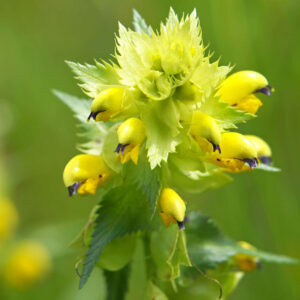
- Restoration with Yellow Rattle. Yellow Rattle is an
annual that draws water and nutrients from the grasses around it,
weakening them and opening the sward; on suitable sites it can reduce
grass biomass by up to 60% within two to three seasons. It must be sown
in autumn (August–October) into short, scarified grass and needs a
winter chill to germinate. See our Yellow Rattle guide.
- Tailored blends. Landscape architects, ecologists
and estates with a species list to meet can combine single species with
a 100% habitat mix and the Native Grass Seed Selection.
Why site matching matters
Every product here carries a Further Information panel
listing type (annual or perennial), height, flowering months, best
sowing season, soil and light needs. The three perennials in the range —
Common Agrimony, Lady’s Bedstraw and Betony — are all best sown in
autumn and want full sun or partial shade, but they differ on soil:
Agrimony prefers well-drained neutral ground, Lady’s Bedstraw
well-drained, Betony moist but well-drained. Sow a species where it
would grow naturally and it will persist; sow it where it would not and
it will fade, however good the seed.
Building your own mix,
carefully
Making a bespoke blend is straightforward if you keep to a few rules:
start from a 100% habitat mix or the Native Grass Seed Selection as the
base; add single species that share the same soil and light requirements
as the base; keep the total sowing rate close to the standard (3 g/m²
flowers only, 5 g/m² with grass); and do not add species simply because
you like them — a chalk plant in a wet clay mix is wasted seed. Our bespoke seed mixes article
walks through the balance.
When to choose a mix instead
If you are starting from bare ground, do not have a species list, or
want the widest chance of success across a variable site, a ready-made
habitat mix will almost always outperform a handful of single
species.
Frequently asked questions
What is single-species wildflower seed?
Seed of one wildflower species on its own, rather than a blended mix — used to introduce, top up or feature that plant.
When should I choose a single species instead of a mix?
When you know exactly which plant you need and why: enriching an existing meadow, meeting a species list, or a restoration task such as Yellow Rattle. For a new area with no specific brief, choose a mix.
Can I make my own wildflower mixture?
Yes. Use a 100% habitat mix or the Native Grass Seed Selection as the base and add single species that suit the same soil and light. Keep the overall sowing rate near the standard.
How do I choose a species for my soil and site?
Read the Further Information panel on the product page — soil, light, best sowing season and whether it is annual or perennial — and match it to your ground.
Can I add wildflower seed to an existing meadow?
Yes. Cut short, scarify to expose bare soil, sow in autumn where the species prefers it, and firm in. Yellow Rattle sown first makes room for other species in a grassy sward.
How much single-species seed do I need?
Pack sizes are listed by coverage on each product (from 20 m² / 60 g). For topping up, sow into scarified patches rather than broadcasting across the whole area.
Related guides and
categories
Looking for a species we do not list? We source additional native
species for larger projects — email paul@wildahome.co.uk with your list.


 Single-Species Wildflower Seed
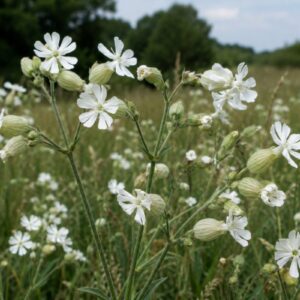 Single-Species Wildflower Seed
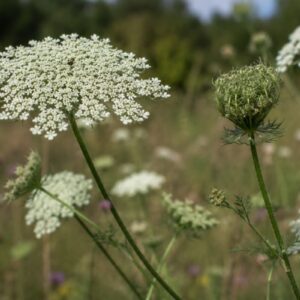 Single-Species Wildflower Seed
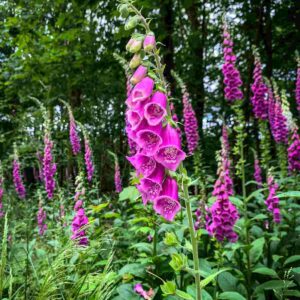 Single-Species Wildflower Seed
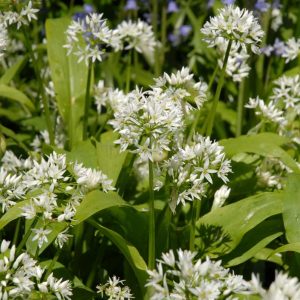 Single-Species Wildflower Seed
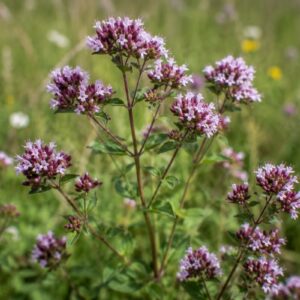 Single-Species Wildflower Seed
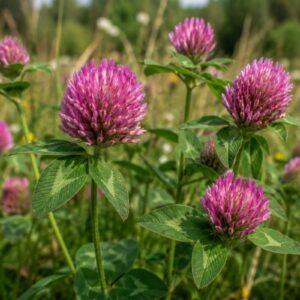 Single-Species Wildflower Seed
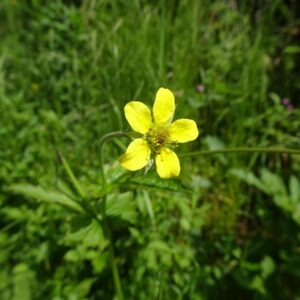 Single-Species Wildflower Seed
 Single-Species Wildflower Seed