heavy clay soils

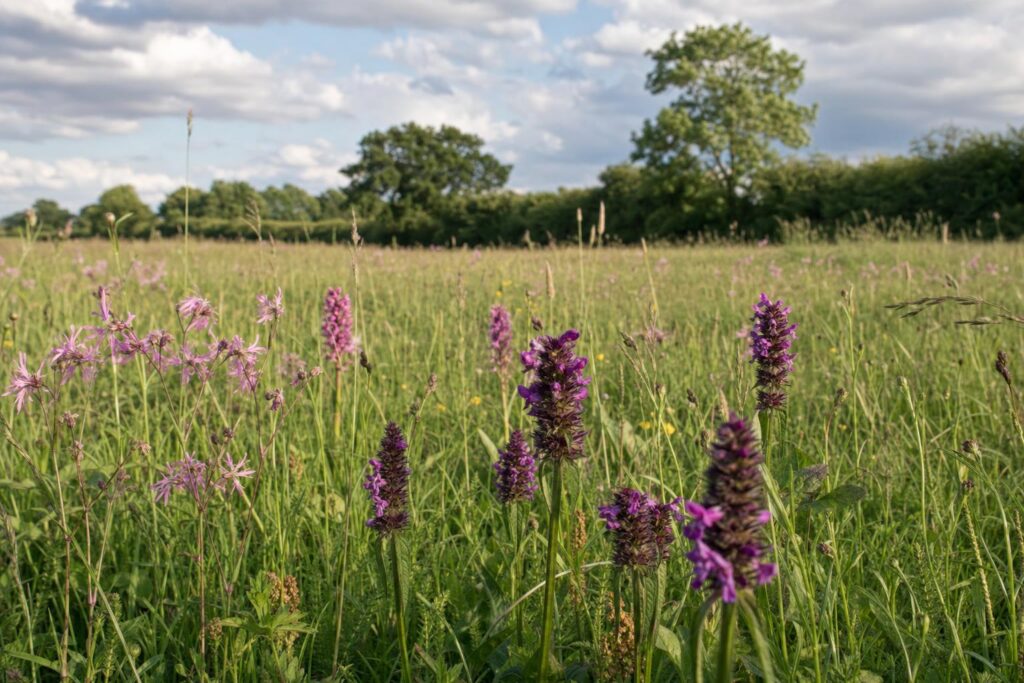
A traditional hay meadow on the Cheshire Plain with purple betony, pink ragged robin and common spotted orchids flowering in long grass, with hedgerows behind.

Wildflower Seeds for Cheshire: Native Mixes for the Plain, the Sandstone Ridge and the Mosses

Wildflower Seeds for Cheshire: Native Mixes for the Plain, the Sandstone Ridge and the Mosses Cheshire Wildlife Trust puts the scale of the problem plainly: 99% of the county’s hay meadows have been lost. That figure sits behind everything in this guide, because it explains why choosing the right wildflower seeds for Cheshire — and
Wildflower Seeds for Cheshire: Native Mixes for the Plain, the Sandstone Ridge and the Mosses Read More »

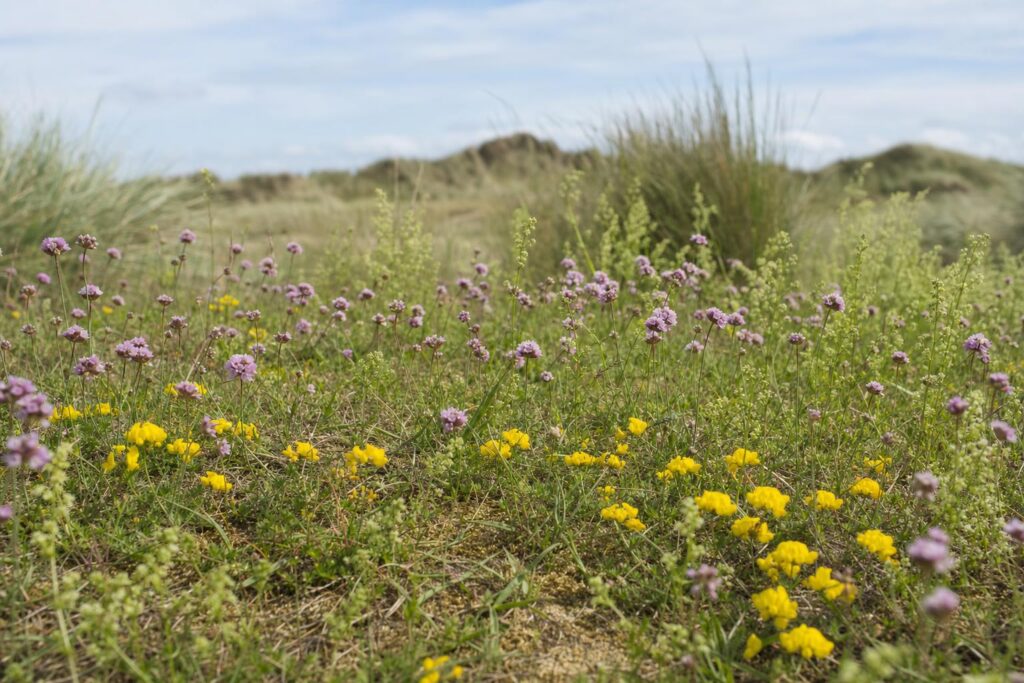
Sandy coastal grassland wildflowers including bird's-foot trefoil and restharrow near the Sefton coast dunes in Merseyside

Wildflower Seeds for Merseyside: Native Mixes for Sand Dunes, the Mersey Fringe and Urban Liverpool

Wildflower Seeds for Merseyside: Native Mixes for Sand Dunes, the Mersey Fringe and Urban Liverpool Merseyside’s defining habitat sits along its coast rather than inland. The Sefton coast, running roughly twenty kilometres between Liverpool and Southport, holds the largest sand dune system in England — a genuinely internationally important landscape. Inland, the county is largely

Wildflower Seeds for Merseyside: Native Mixes for Sand Dunes, the Mersey Fringe and Urban Liverpool Read More »

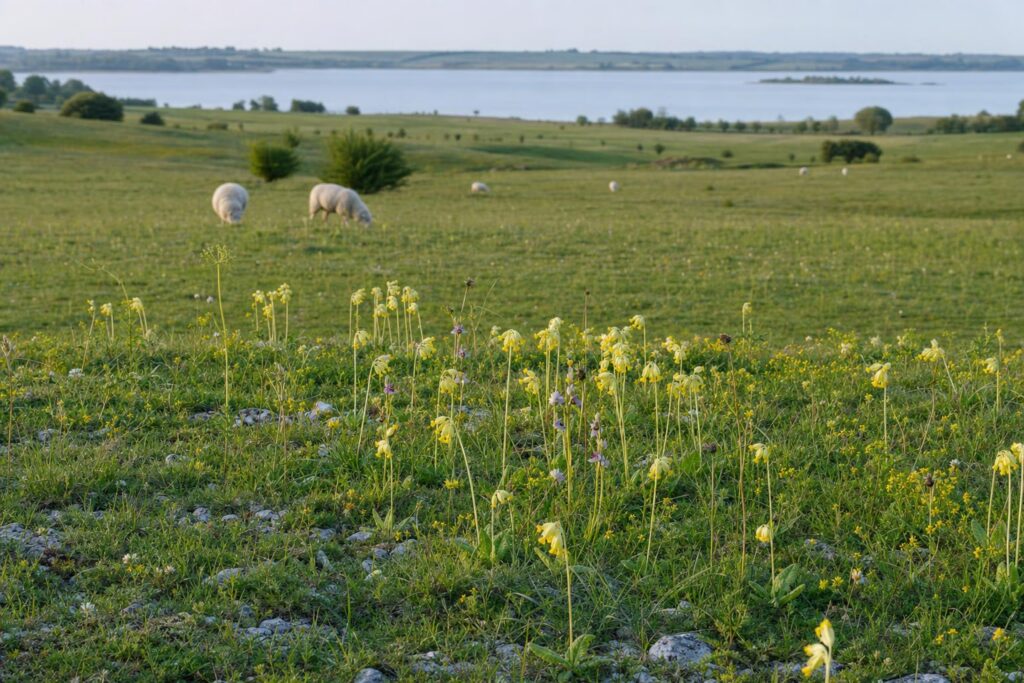
Limestone grassland meadow near Rutland Water with cowslips and grazing sheep

Wildflower Seeds for Rutland: Native Mixes for England’s Smallest County

Wildflower Seeds for Rutland: Native Mixes for England’s Smallest County Rutland packs two genuinely different soil stories into just 382 square kilometres. Free-draining Jurassic limestone dominates the east of the county, around Ketton, Clipsham, Pickworth and Greetham, historically quarried for building stone and now expressed as some of the East Midlands’ best surviving calcareous grassland.

Wildflower Seeds for Rutland: Native Mixes for England’s Smallest County Read More »

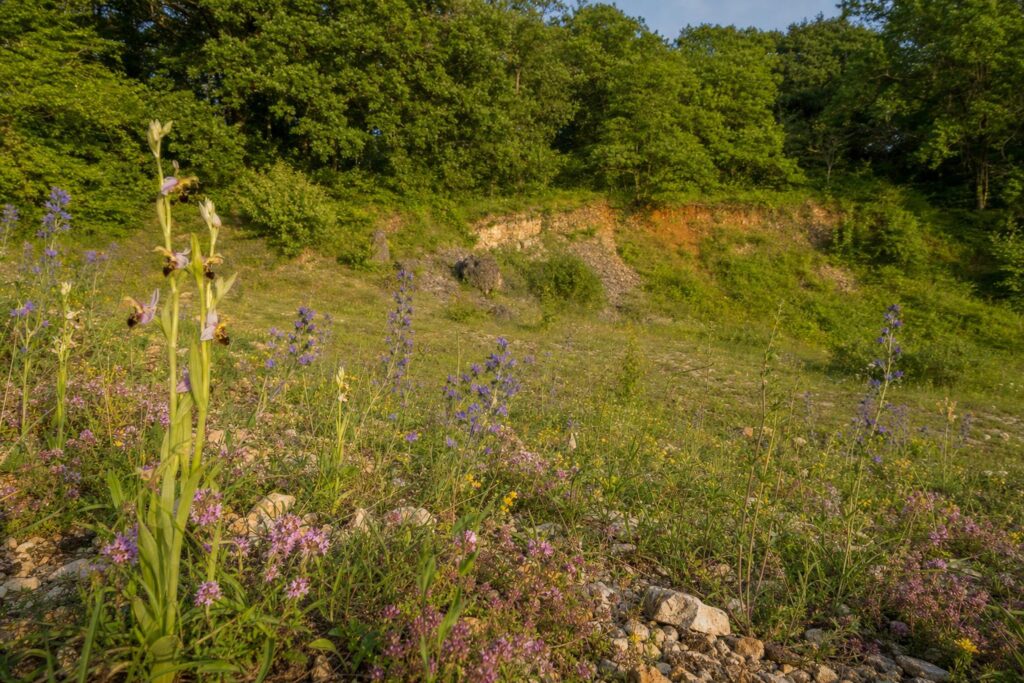
Rockingham Forest former ironstone quarry meadow in Northamptonshire with wild orchids

Wildflower Seeds for Northamptonshire: Native Mixes for Ironstone, Limestone and Clay Vale

Wildflower Seeds for Northamptonshire: Native Mixes for Ironstone, Limestone and Clay Vale Northamptonshire sits on Jurassic bedrock that gives the county three genuinely different growing grounds. Ironstone uplands run through the northwest around Daventry and Kettering’s fringes, giving local buildings their distinctive orange-brown colour. Limestone dominates the Rockingham Forest country in the northeast, between the

Wildflower Seeds for Northamptonshire: Native Mixes for Ironstone, Limestone and Clay Vale Read More »

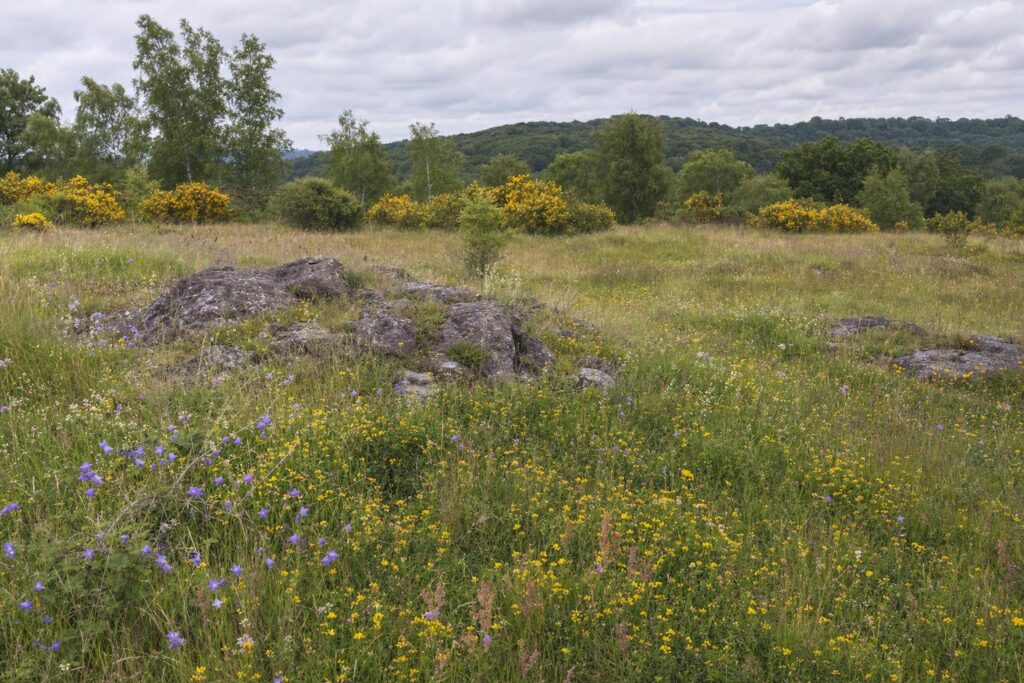
Charnwood Forest rocky outcrop meadow in Leicestershire with wildflowers

Wildflower Seeds for Leicestershire: Native Mixes for Charnwood Forest and the Clay Vales

Wildflower Seeds for Leicestershire: Native Mixes for Charnwood Forest and the Clay Vales Leicestershire’s geology divides sharply between the ancient volcanic rock of Charnwood Forest, in the county’s centre, and the heavy glacial clay vales that surround it. Charnwood — around Loughborough, Coalville, Shepshed and Markfield — sits on some of the oldest rock in

Wildflower Seeds for Leicestershire: Native Mixes for Charnwood Forest and the Clay Vales Read More »