

Dartmoor Wildflower Seeds: Restoring Valley Meadows Below the Moor
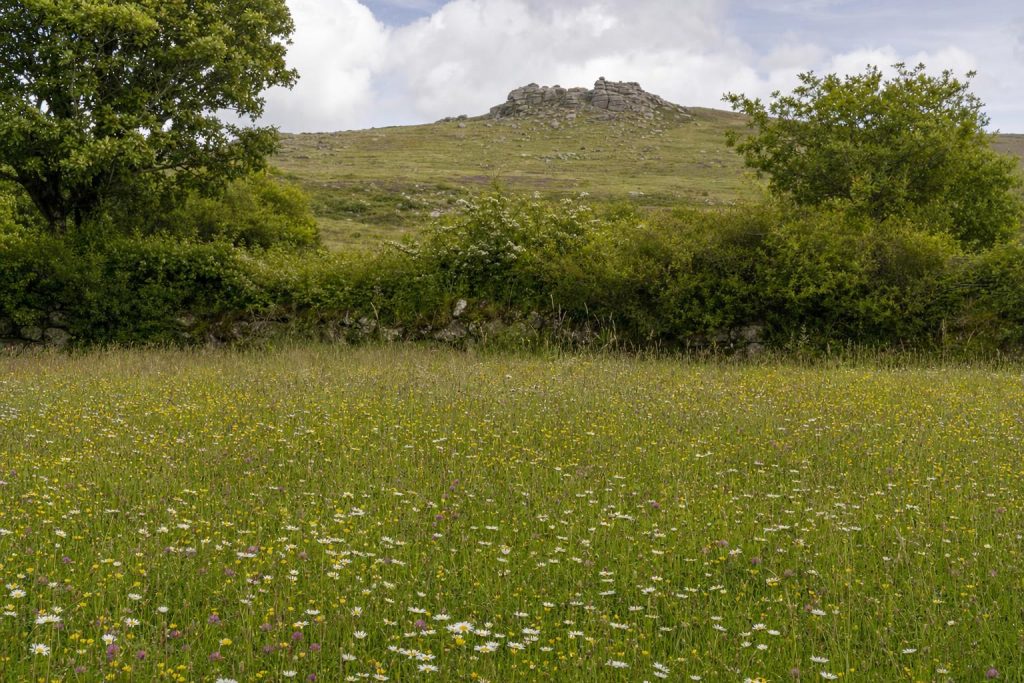
Dartmoor divides sharply in two. Above the moorland wall lie open granite moors, blanket bog and tors, much of it common land grazed by sheep, cattle and ponies. Below it, a ring of small enclosed fields, valley meadows and wet rushy pastures runs down into wooded valleys. If you are looking for Dartmoor wildflower seeds, almost all realistic meadow restoration happens in those enclosed in-bye fields.
This guide explains Dartmoor’s four main habitats, why the moor, the commons and the Rhôs pastures need management rather than seed, and how to restore a valley hay meadow that suits this landscape.
Four Dartmoor landscapes
Open moorland and blanket bog
Dartmoor holds the most southerly blanket bog in Britain, storing around ten million tonnes of carbon in its peat. Valley mires, heath and acid grassland surround it. Restoration here is about rewetting peat and balancing grazing, led by the South West Peatland Partnership. Seed has no role.
Moorland-fringe fields and newtakes
Around the moor edge sit newtakes, large enclosures with long granite walls, and smaller in-bye fields. Many newtakes still hold heath, bog or acid grassland, and old unfertilised fields can be rich in waxcap fungi. These should be managed by grazing and by stopping fertiliser, not cultivated or reseeded.
Rhôs pasture
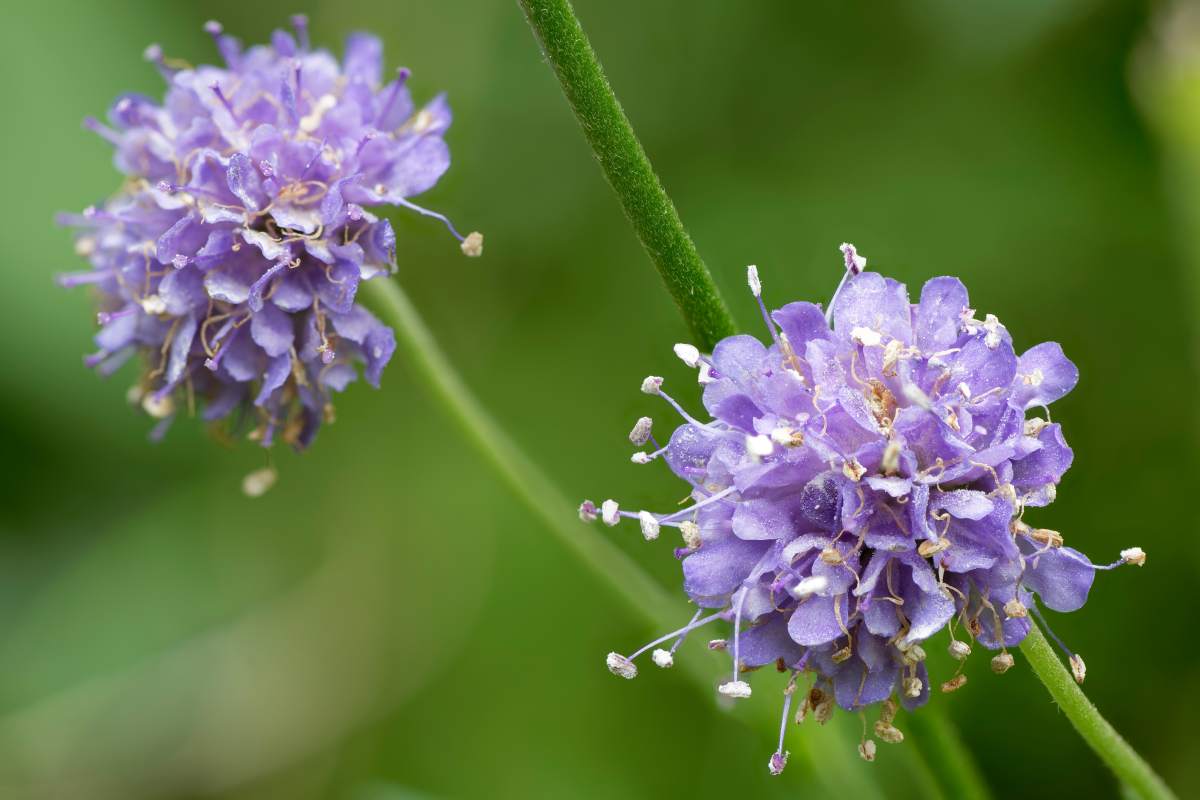
Dartmoor holds around 1,200 hectares of Rhôs pasture, about a fifth of England’s purple moor-grass and rush pasture. It is the same habitat known as Culm grassland in north Devon, but on granite rather than Culm rock. Purple moor-grass and rushes grow with meadow thistle, devil’s-bit scabious and tormentil, and it is home to the marsh fritillary and the rare bog hoverfly. Rhôs pasture is restored by cattle or pony grazing, scrub control and ditch blocking, never by sowing.
Valley hay meadows
On the deeper, slightly acid to neutral loams in the valleys lie Dartmoor’s hay meadows, peaking in late June and early July with greater butterfly orchids in the best. Only around 13% of Dartmoor’s soils suit this kind of meadow, which makes the surviving examples precious and the restorable fields worth getting right.
Commons and why they are different
About 37% of the National Park is registered common land, governed by the Dartmoor Commons Act 1985 and the Commoners’ Council. Grazing rights belong to many farms, so no single person can decide to fence, plough or sow. Commons, and the moor and bog on them, are managed collectively through grazing plans and agreements. Meadow creation belongs on single-holding enclosed land.
Testing an in-bye field before buying Dartmoor wildflower seeds
Low soil phosphorus is the key. Natural England’s guidance identifies it as the main chemical requirement for a species-rich meadow. Aim for an Olsen P index of 0 or 1. Intensive pastures and heavily manured fields at index 2 or 3 favour ryegrass, white clover, docks and thistles, so take hay cuts and remove them for a few years first.
Check pH too. Neutral hay meadow suits the slightly acid and base-rich valley loams. On shallow, acid granite slopes, manage toward acid grassland rather than forcing a neutral meadow with heavy lime. And look at what is already there: species-rich meadows, waxcap pastures and wet Rhôs fields should never be cultivated or overseeded.
Species for a Dartmoor valley meadow
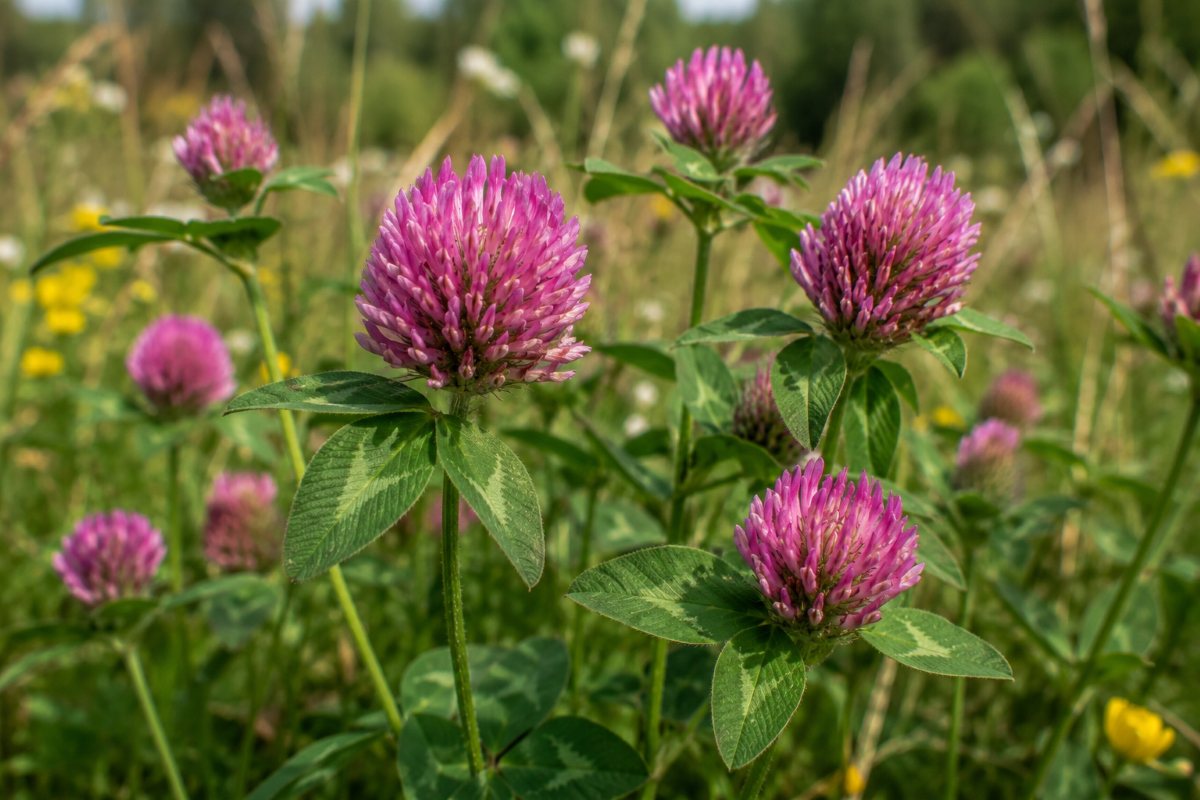
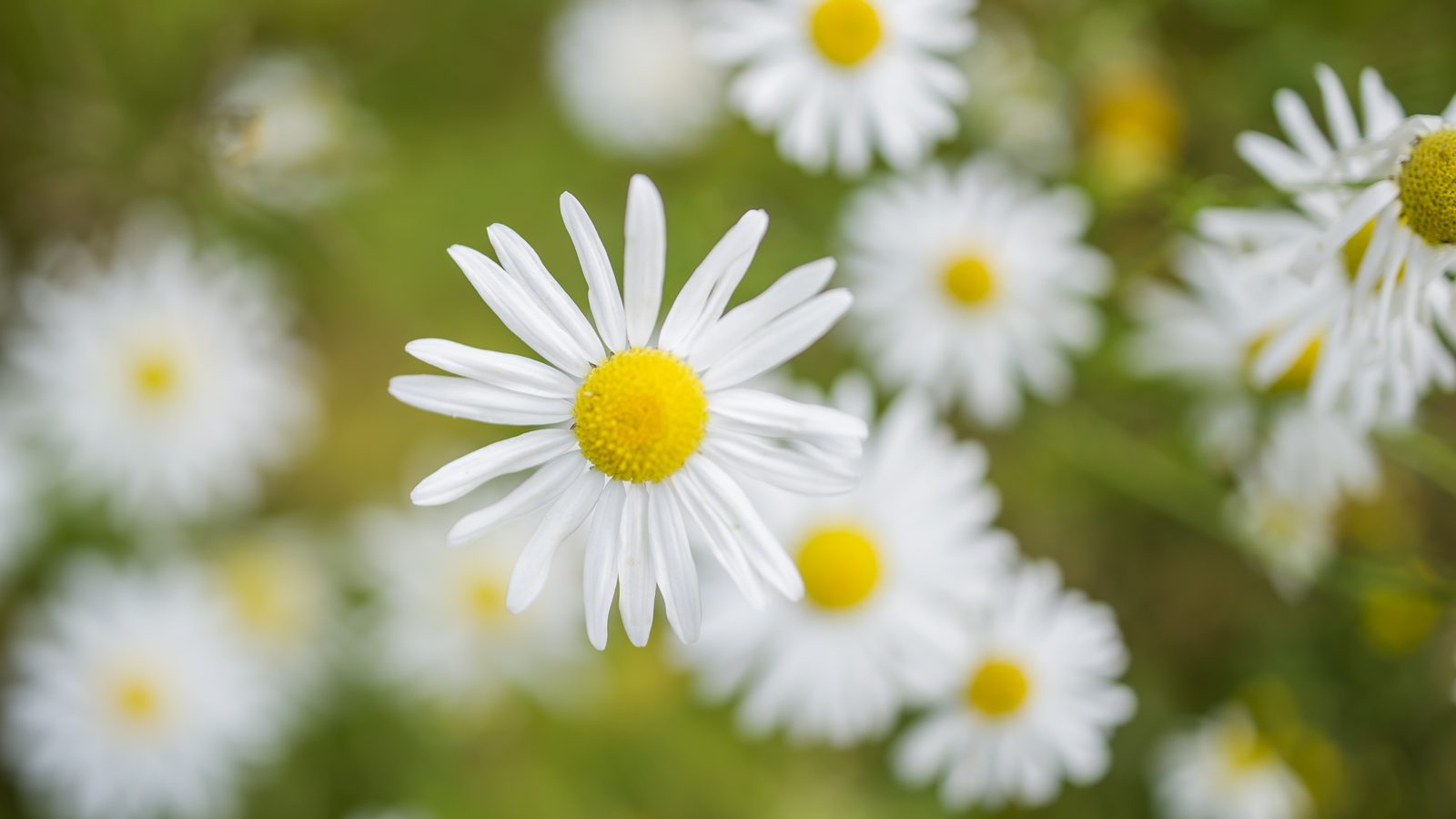
On a suitable in-bye field, build the meadow around reliable lowland meadow plants: common knapweed (Centaurea nigra), bird’s-foot-trefoil (Lotus corniculatus), oxeye daisy (Leucanthemum vulgare), red clover (Trifolium pratense), ribwort plantain and selfheal (Prunella vulgaris), with crested dog’s-tail and red fescue. Yellow rattle (Rhinanthus minor) weakens grasses and needs autumn sowing.
Leave out what will not establish. Greater butterfly orchid and moonwort depend on soil fungi and arrive only in long-established grassland. Bog and Rhôs plants such as meadow thistle, bog asphodel and sundews need permanently wet acid ground and cannot be sown into a meadow.
Wildlife of Dartmoor meadows and moor
Rhôs pastures hold the marsh fritillary and the critically endangered bog hoverfly, which feeds on low flowers such as devil’s-bit scabious, tormentil and bog asphodel. Valley mires support the southern damselfly. Curlew, snipe and lapwing breed on wet pastures, and the blanket bog holds the world’s most southerly breeding dunlin. Flower-rich valley meadows and hedges feed bumblebees, butterflies and the greater horseshoe bats that roost in Dartmoor’s caves and mines.
How to sow a Dartmoor valley meadow
Where a species-rich meadow lies nearby, green hay is the best option, carrying local plants and genetics. Otherwise, cut or graze the field short, remove the cuttings and open up around half the ground as bare soil in late summer. Sow between mid-August and late October. Mix the seed with kiln-dried sand, sow on the surface and roll or tread it in. Use 3 g/m² for a 100% wildflower mix into prepared grassland or 5 g/m² for an 80/20 mix on bare ground. Do not add fertiliser.
Managing a Dartmoor hay meadow
Stock-proof fencing makes the difference: shut the field up in spring, take a hay cut once flowers have seeded in July, and graze the aftermath into autumn. Avoid silage, early cutting and heavy manuring, which strip the flowers out. Local groups such as Moor Meadows offer practical support to Dartmoor meadow owners. Expect three to five years for a restored meadow to settle.
A year on a Dartmoor meadow
Winter and spring
Winter is the time for hedge and scrub work, fencing repairs and soil testing. Graze lightly into early spring, then shut the meadow up so plants can grow. Keep stock off the wettest ground and watch for nesting curlew and snipe on wet pastures.
Summer
Valley meadows peak in late June and early July. Take the hay cut in July once flowers have seeded, dry it in the field so seed falls, then bale and remove it. July and August are also when donor meadows are cut for green hay.
Autumn
Graze the aftermath with cattle or sheep to clear growth and open the sward. Open up bare ground and sow from mid-August to late October. Autumn is also when waxcap fungi appear, a good moment to check old pastures before any work is planned.
Wildahome and Dartmoor
Wildahome’s story began in Devon. At Dunsdon Farm in north Devon we worked with Devon Wildlife Trust to restore Culm grassland and recreate wildflower meadows, the same kind of wet pasture Dartmoor calls Rhôs. That experience is why we are clear about which ground suits seed and which needs grazing and patience.
For suitable in-bye valley fields we recommend our Traditional Meadow range: the 100% wildflower mix with yellow rattle to diversify existing grassland, or the 80/20 mix for bare ground. To be clear about provenance, our mixes contain UK-native species chosen for the soil, not seed harvested on Dartmoor. Where a donor meadow is close, local green hay is better, and the moor, commons and Rhôs pastures need management guidance rather than seed.
Plan your Dartmoor meadow
Check whether your land is enclosed and in single ownership, look for existing value, and test the soil. If it suits, plan an autumn sowing or green hay. Email hello@wildahome.co.uk with your location and soil results and we will help. Our Devon county guide covers the wider county.
Frequently Asked Questions
Can I sow wildflower seeds on Dartmoor?
On enclosed, single-holding in-bye fields with low soil phosphorus, yes. Open moorland, blanket bog, commons, newtakes with heath and Rhôs pastures are managed by grazing and rewetting instead of seed.
What is Rhôs pasture?
Rhôs pasture is wet grassland of purple moor-grass and rushes with meadow thistle, devil’s-bit scabious and tormentil. Dartmoor holds about a fifth of England’s resource. It is the same habitat as Culm grassland and is restored by grazing, not sowing.
Can I sow wildflowers on Dartmoor common land?
No. Common land is governed by the Dartmoor Commons Act 1985 and shared grazing rights, so no individual can cultivate or sow it. Commons are managed through collective grazing plans and agreements.
What wildflowers suit a Dartmoor hay meadow?
Common knapweed, bird’s-foot-trefoil, oxeye daisy, red clover, ribwort plantain, selfheal and yellow rattle with crested dog’s-tail and red fescue suit valley loams. Orchids and moonwort arrive only in long-established grassland and should not be sown.
When should I sow a meadow on Dartmoor?
Sow between mid-August and late October onto at least half bare ground. Autumn sowing gives yellow rattle the winter cold it needs. Sow on the surface, roll or tread it in, and do not fertilise.
Why test soil phosphorus first?
High phosphorus feeds vigorous grasses and weeds that crowd out wildflowers. Aim for Olsen P index 0 or 1. On richer fields, take hay cuts and remove them for a few years before sowing.
How long does a Dartmoor meadow take to establish?
Expect three to five years for a restored valley meadow to settle. Keep it shut up in spring, cut for hay in July and graze the aftermath, and slower species will build up over time.
Ready to get started?
Shop: Traditional Wildflower Meadow Mix →