

Peak District Wildflower Seeds: Where Seed, Green Hay and Management Each Belong
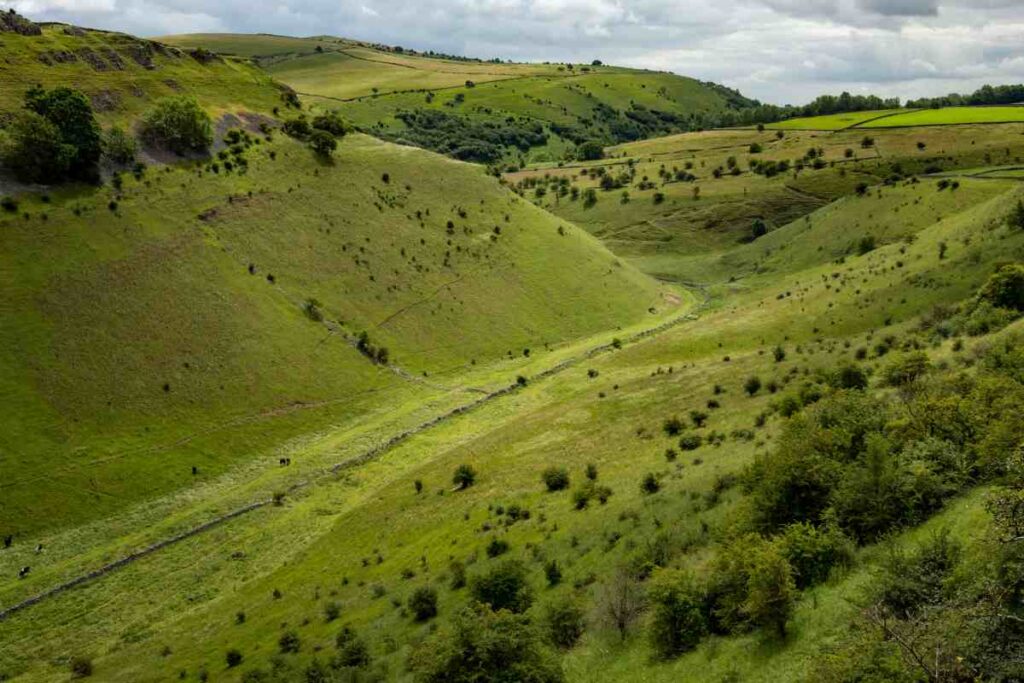
The Peak District is two landscapes in one. In the south, the White Peak is a limestone plateau of stone walls and dewponds, cut by deep, flower-rich dales. To the north, east and west, the Dark Peak and South West Peak rise onto gritstone moors, blanket bog and rushy hill farms. Choosing Peak District wildflower seeds well depends almost entirely on which of these you are in.
The honest picture is that seed has a narrow role here. Natural England’s advice for grassland restoration follows a clear order: first see whether better management will bring flowers back, then use green hay from a nearby meadow, and only sow seed where neither will work. Across most of the Peak, management or green hay is the right answer.
This guide explains the three parts of the Peak, where each approach fits, which species suit enclosed meadows, and how to restore a meadow without harming the habitats around it.
Three Peaks, three approaches
The White Peak
The White Peak sits on Carboniferous limestone. Its dales, such as Lathkill, Monsal and Dovedale, hold all of the National Park’s limestone grassland, much of it protected as the Peak District Dales Special Area of Conservation. Up on the plateau, most fields have been improved for grazing, leaving the dales as islands of flowers in a sea of green. That isolation is the White Peak’s main weakness, and the plateau is where restoration can help most.
The Dark Peak
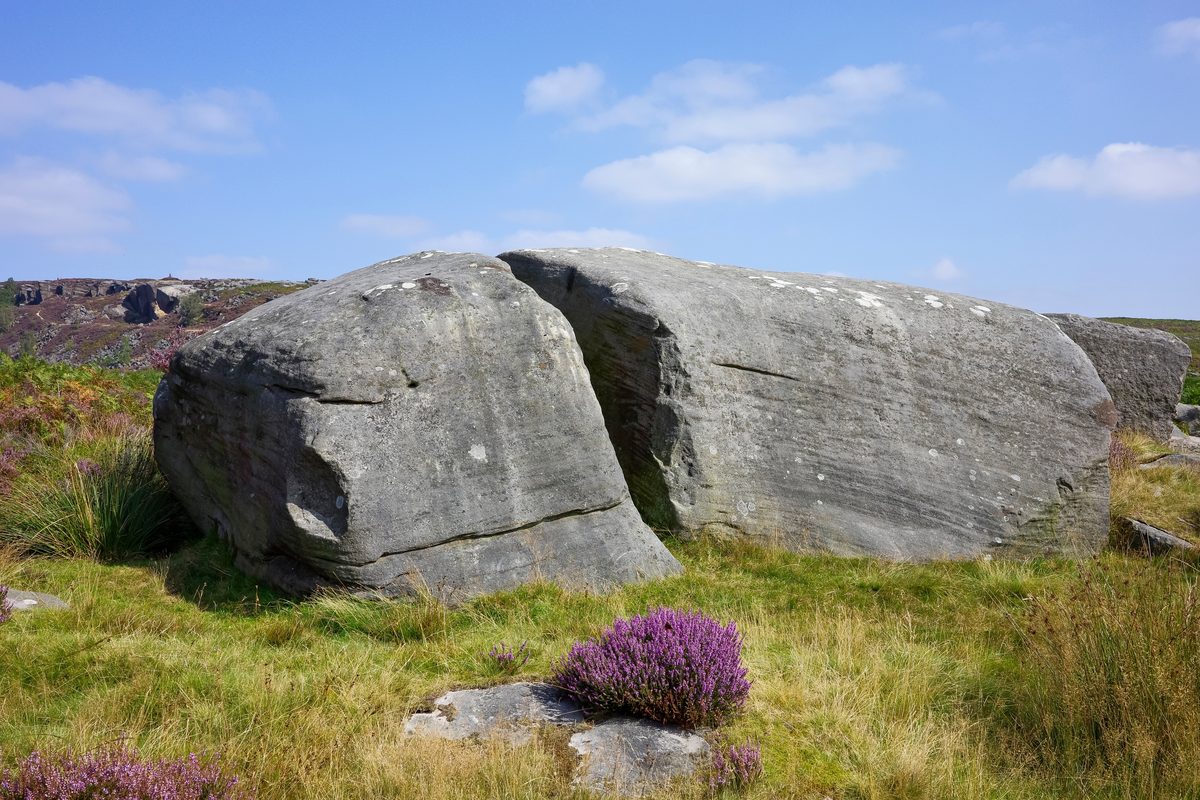
The Dark Peak is millstone grit: high plateaux, gritstone edges, blanket bog and moorland. Centuries of pollution, drainage and fire left much of its peat bare. Restoration here means blocking drains, rewetting bog and replanting sphagnum, work led by partnerships such as Moors for the Future. Wildflower seed has no place on the moors.
The South West Peak
The South West Peak is a softer transition of small fields, springs, rush pasture and hay meadows. It holds 45% of the National Park’s hay meadows, most of its rush pasture and internationally important waxcap fungi grasslands. Here, green hay from nearby meadows is the main restoration tool, and rush pastures and waxcap fields should never be cultivated or sown.
Check before you disturb the ground
Around a third of the National Park is protected, and much of the most valuable grassland outside those sites is easy to miss. Waxcap fungi fruit only in autumn, so an old, unfertilised pasture can look ordinary for most of the year and still be irreplaceable. Before any cultivation, check three things.
- Designations. If the field adjoins an SSSI or the Dales SAC, talk to Natural England before introducing any seed.
- Existing value. Look for surviving meadow flowers, waxcaps in autumn and breeding waders such as curlew, lapwing and snipe in spring.
- Soil fertility. Test phosphorus and pH. Restoration works best at phosphorus index 0 or 1; higher fields need hay cuts and removal first.
The National Park Authority estimates over 8,000 hectares of species-rich semi-improved grassland, most of it outside designated sites. Red clover, common vetch and other meadow flowers often survive in the turf there, and simply stopping fertiliser and taking a late hay cut can let them flower again.
Green hay first, seed where there is no donor
Where a field has lost its flowers but a species-rich meadow lies on the same farm or close by, green hay is the best option. Cut the donor meadow when its seed is ripe, carry it the same day and spread it thinly on the prepared field. A hectare of donor meadow typically covers about three hectares of receiving ground. Cut no more than a third of a donor meadow in any one year.
Seed has a genuine role on the White Peak plateau: enclosed, low-fertility pastures outside designated sites, with no donor meadow within reach. A well-chosen meadow mix, sown with yellow rattle where grasses are vigorous, can help reconnect the isolated dales across the plateau.
Species that suit Peak District meadows
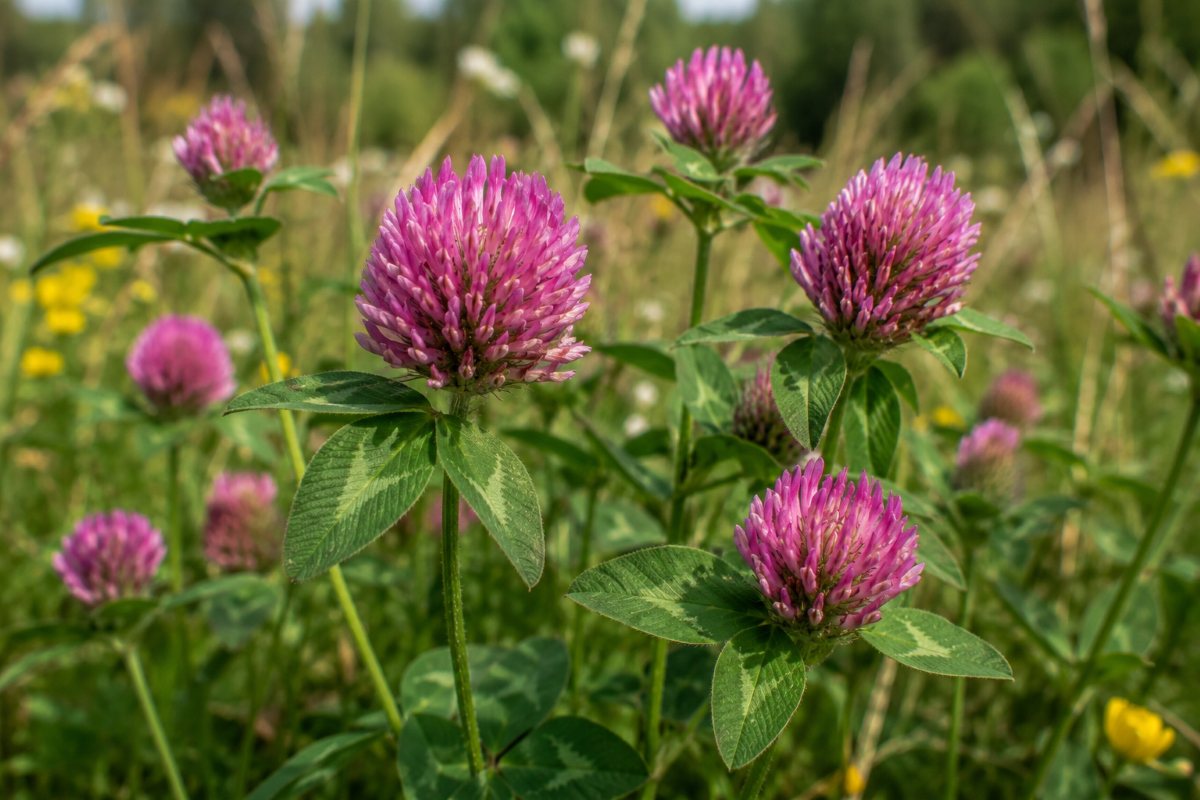
For enclosed plateau and valley meadows, build around robust meadow plants: common knapweed (Centaurea nigra), red clover (Trifolium pratense), common bird’s-foot-trefoil (Lotus corniculatus), oxeye daisy (Leucanthemum vulgare), selfheal (Prunella vulgaris) and meadow buttercup, with fine grasses such as red fescue and crested dog’s-tail. Yellow rattle (Rhinanthus minor) weakens dense grass and makes room for flowers.
Some of the Peak’s best-loved plants should not be sown. Globeflower, limestone bedstraw and the dale specialists belong to old grassland and spread from local sources. Wood crane’s-bill and great burnet are slow from seed and are better added later as plugs or through green hay. Never sow anything onto lead rakes, limestone dales, rush pasture or moorland.
Wildlife of the Peak District
The Peak is a stronghold of the bilberry bumblebee, an upland specialist that feeds on moorland bilberry in spring but needs flower-rich meadows nearby for the rest of the season. Clover, vetch, knapweed and oxeye daisy in enclosed meadows directly support it. The limestone dales hold the Peak’s own race of the northern brown argus butterfly.
Meadow edges and rush pastures matter for birds. Curlew, lapwing and snipe breed in the South West Peak, and twite declined sharply as hay meadows near the moor edge were lost. Late hay cuts protect ground-nesting chicks. The White Peak’s dewponds hold great crested newts, so leave them and their margins undisturbed.
How to sow or spread green hay in the Peak
Cut or graze the receiving field short, remove the cuttings and open up 40–50% bare ground in August or September, using harrows or hooves on damp ground. A closed sward will not take seed. Spread green hay the same day it is cut, or broadcast seed onto the bare patches, then tread it in with cattle or sheep, or roll it.
For seed, use 3 g/m² for a 100% wildflower mix sown into prepared grassland and 5 g/m² for an 80/20 mix on bare ground. Avoid major soil disturbance for at least two years afterwards.
Managing an upland meadow through the year
Shut the meadow up in spring and keep stock off until the hay is taken. Cut after mid-July, once flowers have set seed, and later on higher ground or where waders nest. Let the hay dry and turn in the field so seed drops back, then remove it. Graze the aftermath through autumn with cattle or sheep. Avoid fertiliser and slurry. Expect three to five years for a restored meadow to settle.
Wildahome seed mixes for Peak District sites
For enclosed, low-fertility pastures on the White Peak plateau with no green hay donor nearby, we recommend our Traditional Meadow range: the 100% wildflower mix for diversifying existing grassland, or the 80/20 mix for bare ground. Add yellow rattle where grass is vigorous. Where a soil test shows thin, lime-rich soil well away from the dales, our Chalk & Limestone mix can suit.
To be clear about provenance, our mixes contain UK-native species chosen for the soil. They are not harvested in the Peak District. In the South West Peak, near designated sites or wherever a donor meadow exists, local green hay is the better choice, and we are happy to talk it through. The moors, dales and rush pastures need management guidance, not seed.
Plan your Peak District meadow
Start by working out which Peak you are in, check designations and existing value, and test the soil. If a donor meadow is close, plan green hay; if not and the field qualifies, plan an autumn sowing. Email hello@wildahome.co.uk with your location and soil results and we will help. Our Derbyshire county guide covers the wider county.
Frequently Asked Questions
Can I sow wildflower seeds in the Peak District?
Yes, on the right ground. Seed suits enclosed, low-fertility pastures on the White Peak plateau outside designated sites where no green hay donor is nearby. On the moors, in the dales, on rush pasture and on waxcap grassland, management alone is the right approach.
What is green hay and why is it preferred?
Green hay is freshly cut hay from a species-rich meadow, spread the same day on a prepared field so its seed falls into the soil. It carries local plants and genetics, including species no supplier sells, and is the first choice wherever a donor meadow is close by.
What wildflowers grow in White Peak meadows?
Enclosed White Peak meadows suit common knapweed, red clover, bird’s-foot-trefoil, oxeye daisy, selfheal, meadow buttercup and yellow rattle with fine grasses. The dales hold specialists such as globeflower and limestone bedstraw, which should spread from local sources rather than be sown.
Why should I check for waxcap fungi before sowing?
Waxcap grasslands are old, unfertilised pastures that look ordinary most of the year but fruit colourful fungi in autumn. The Peak holds internationally important examples. Cultivating or reseeding destroys the fungi, so survey in autumn before any disturbance.
When should I sow or spread green hay in the Peak?
Prepare bare ground and sow in August or September, or spread green hay in late July and August when the donor meadow’s seed is ripe. Tread it in with stock or roll it, and avoid heavy disturbance for two years.
Can I sow wildflowers on Peak District moorland?
No. Moorland and blanket bog are restored by rewetting, blocking drains, controlling bracken and replanting sphagnum, led by specialist partnerships. Meadow seed has no role there and could damage the habitat.
How long does a Peak District meadow take to recover?
Expect three to five years for a restored meadow to settle, and longer at altitude. Yellow rattle and eyebright appear quickly; slower plants such as great burnet and wood crane’s-bill take several years and may need adding as plugs.
Ready to get started?
Shop: Traditional Wildflower Meadow Mix →