Landscape Guides

Research-led guides to Britain’s named landscapes, their soils and wildflowers, and how to choose and sow the right native seed mix for each.

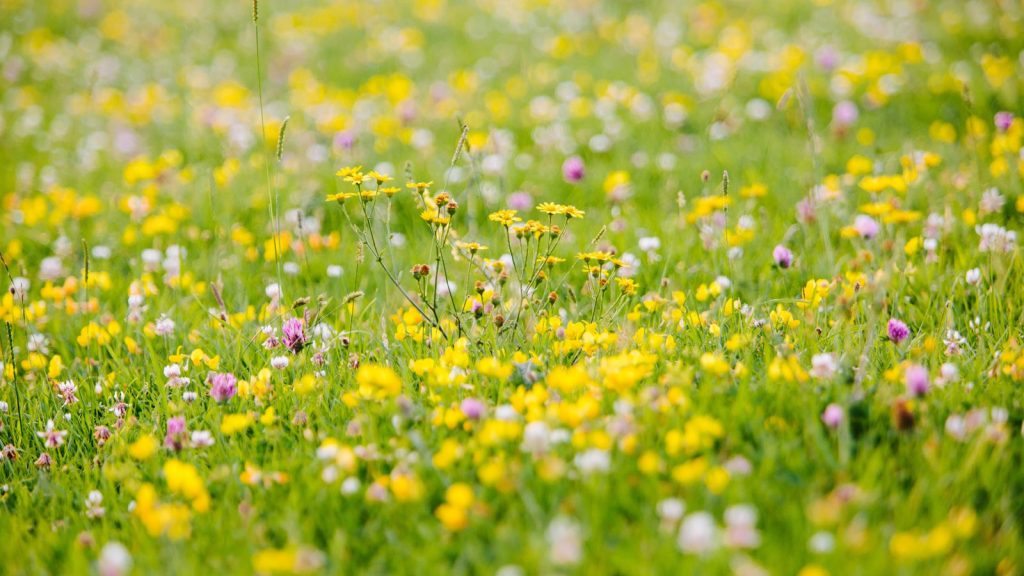
Flower-rich hay meadow with buttercups, clover and bird’s-foot-trefoil in Mid Wales

Cambrian Mountains Wildflower Seeds: Restoring Upland Hay Meadows in Mid Wales

The Cambrian Mountains are the green heart of Wales: a vast upland of rounded hills, moorland and remote valleys stretching across Powys, Ceredigion and Carmarthenshire. Tucked into the valleys are some of the finest surviving hay meadows in Britain, full of great burnet, wood bitter-vetch and mountain pansy. Choosing Cambrian Mountains wildflower seeds well means

Cambrian Mountains Wildflower Seeds: Restoring Upland Hay Meadows in Mid Wales Read More »
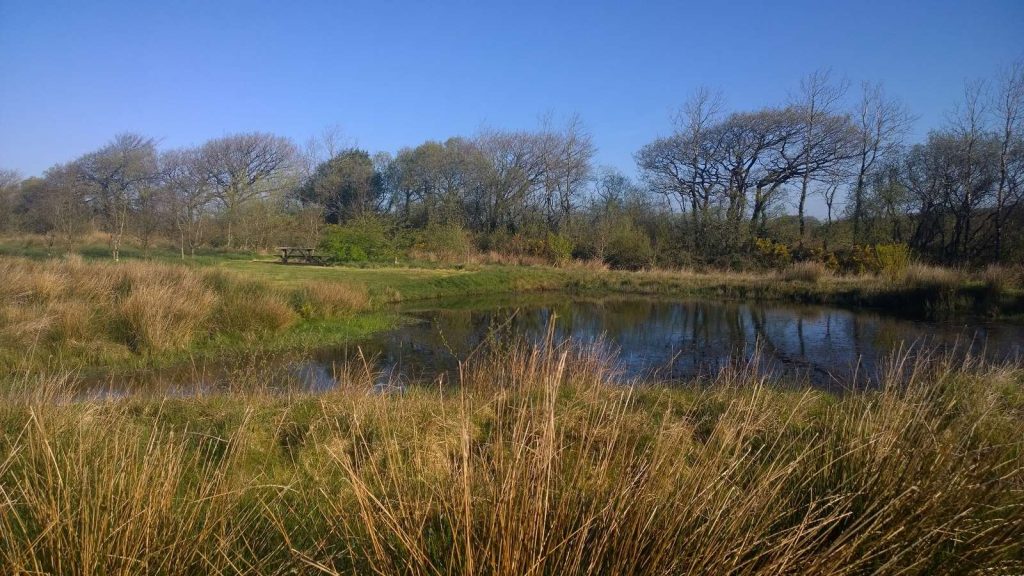
Wet grassland with rushes around a pond

Somerset Levels Wildflower Seeds: Where Sowing Works and Where It Does Not

The Somerset Levels and Moors are Britain’s largest lowland wet grassland, a flat, ditch-lined plain between the Mendips, the Quantocks and the Blackdown Hills that floods most winters and draws tens of thousands of wintering ducks and waders. Before buying Somerset Levels wildflower seeds, it helps to know an awkward truth: most of the area’s

Somerset Levels Wildflower Seeds: Where Sowing Works and Where It Does Not Read More »

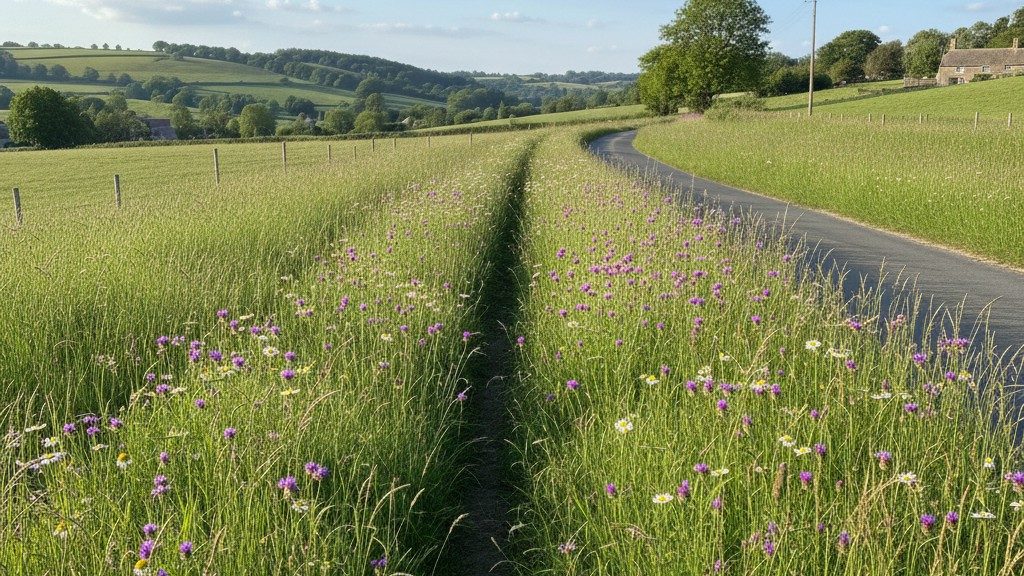
Wildflower-rich grassland beside a lane in rolling Cotswold countryside

Cotswolds Wildflower Seeds: A Guide to Limestone Meadows

The Cotswolds are known for honey-coloured stone, dry stone walls and rolling wold. Less well known is that the same limestone once carried some of the richest wildflower grassland in England, and that the Cotswolds still hold more than half of the UK’s surviving unimproved Jurassic limestone grassland. If you are choosing Cotswolds wildflower seeds,

Cotswolds Wildflower Seeds: A Guide to Limestone Meadows Read More »

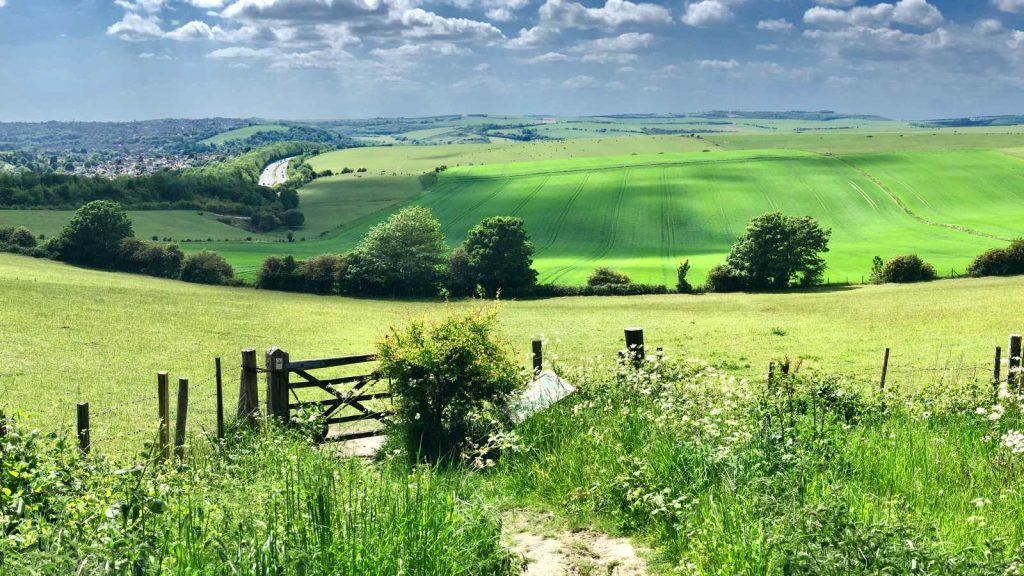
Rolling chalk downland and farmland in summer

Chilterns Wildflower Seeds: A Guide to Chalk Slopes and Plateau

The Chilterns are best known for their beechwoods, but between the trees lie some of the finest chalk grasslands in England. Steep slopes at places like Aston Rowant and Barton Hills hold orchids, gentians and pasqueflowers that draw visitors every spring and summer. If you are choosing Chilterns wildflower seeds, the first question is not

Chilterns Wildflower Seeds: A Guide to Chalk Slopes and Plateau Read More »

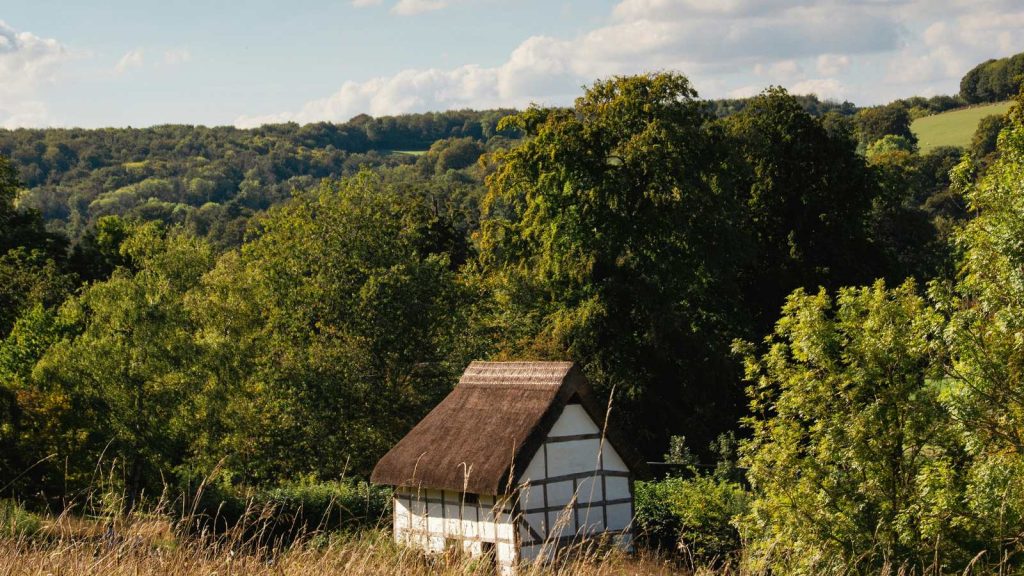
Wealden meadow and woodland with a timber-framed cottage in the High Weald

Weald Wildflower Seeds: Meadows for Clay, Sand and Valley

The Weald is one of the most wooded and intricate landscapes in England, a patchwork of small fields, shaws, hedges and streams stretching across Kent, Sussex and Surrey. It was once rich in hay meadows. Choosing Weald wildflower seeds well depends on one thing above all: knowing which part of the Weald you are standing

Weald Wildflower Seeds: Meadows for Clay, Sand and Valley Read More »

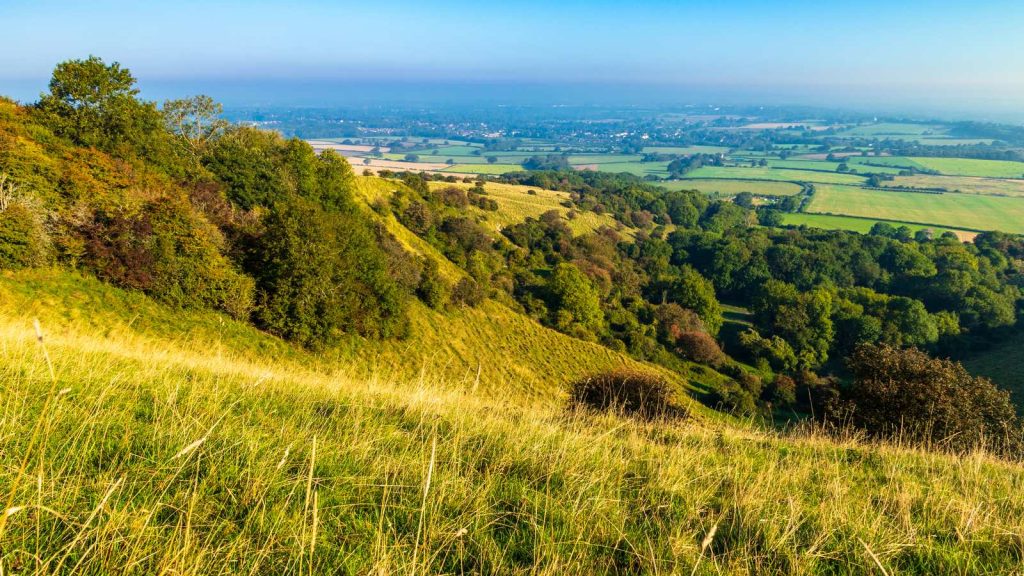
Chalk downland slopes on the South Downs in summer

South Downs Wildflower Seeds: A Practical Guide to Chalk Downland

The South Downs hold some of the richest grassland in Britain. On a well-grazed slope of old chalk turf you can find dozens of plant species in a single square metre, from salad burnet and horseshoe vetch to orchids that grow nowhere else in such numbers. If you are choosing South Downs wildflower seeds for

South Downs Wildflower Seeds: A Practical Guide to Chalk Downland Read More »