

Somerset Levels Wildflower Seeds: Where Sowing Works and Where It Does Not
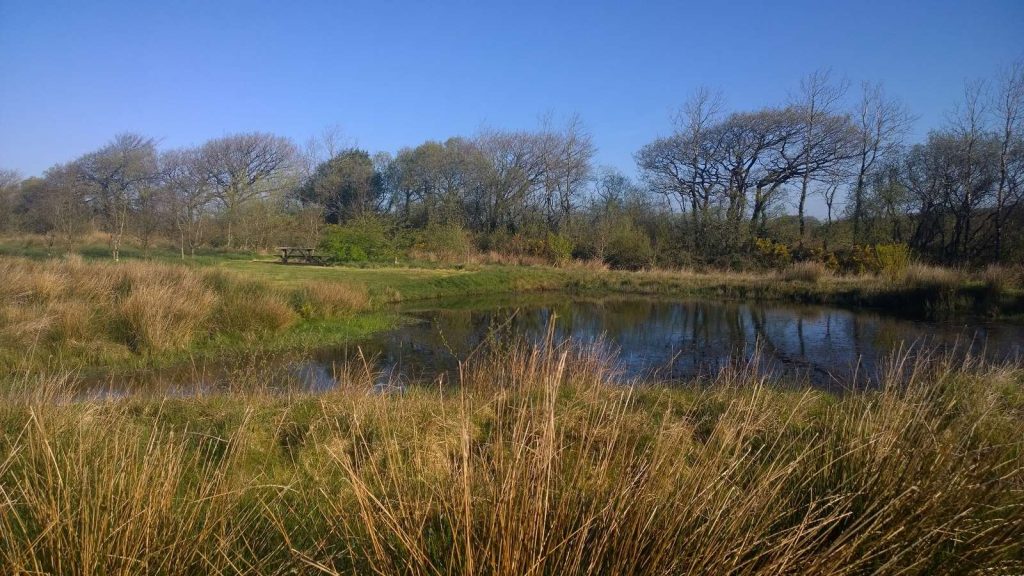
The Somerset Levels and Moors are Britain’s largest lowland wet grassland, a flat, ditch-lined plain between the Mendips, the Quantocks and the Blackdown Hills that floods most winters and draws tens of thousands of wintering ducks and waders. Before buying Somerset Levels wildflower seeds, it helps to know an awkward truth: most of the area’s best wet grassland cannot be created from a bag of seed.
The Levels are shaped by water. Ditch levels, flooding, peat and nutrient-rich soils decide what grows far more than any seed mix. Restoration studies by the Floodplain Meadows Partnership found that poor management, high soil nutrients and waterlogging cause the large majority of failed floodplain meadow projects. Lack of seed accounts for relatively few.
There is still a real place for sowing, on the right ground. This guide explains which parts of the Levels and Moors can take a seed mix, which need water and hay management instead, and how to give a floodplain meadow the best chance of success.
Four landscapes in one: understanding the Levels and Moors
Natural England maps the area as National Character Area 142. Although it looks uniformly flat, it holds four quite different settings.
The coastal Clay Levels
Nearest the sea, the land sits on marine clay laid down after the last Ice Age. It is slightly higher than the inland moors and drains a little better, with old creek lines winding across the fields. These mineral clay soils are among the best places on the Levels for a sown meadow.
The inland Peat Moors
Further inland lie the lower, saucer-shaped peat basins, such as West Sedgemoor and the moors of the Brue Valley. They stay wet for much of the year, and many are held deliberately wet for wildlife. Deep peat soils here hold large stores of phosphorus from past farming.
The river floodplains
The Parrett, Brue, Tone, Axe and Yeo run through the plain inside raised banks, often above the level of the fields beside them. Their floodplains carry mineral alluvium rather than peat, and some of it is suited to traditional floodplain hay meadow.
The islands
The Polden Hills, Wedmore ridge, Glastonbury Tor and Brent Knoll rise sharply out of the plain on limestone and clay. Their dry slopes support quite different grassland and are not wet meadow country at all.
Water, ditches and rhynes come first
Every field on the Levels depends on water management. Field ditches feed larger drainage channels known as rhynes, which connect through sluices and pumping stations to the main rivers. In winter the system drains water away; in summer it often runs in reverse, drawing water back from the rivers to keep ditches full as wet fences and drinking water for stock.
The internal drainage boards manage these water levels with the Environment Agency, and some conservation moors are kept deliberately wet as raised water level areas. If you farm on the Levels, the board’s rules matter: consent is usually needed for work within 9 metres of a maintained watercourse, and a clear strip must be left for machinery along rhyne banks. Check before cultivating near ditches.
Water level also decides what will grow. Monitoring on the Somerset moors has shown meadow grasses giving way to rushes and sedges within a single season when fields stay waterlogged longer. A seed mix sown without matching the local water regime will soon be overruled by the water.
Testing soil before buying Somerset Levels wildflower seeds
Phosphorus is the biggest obstacle on the Levels. Decades of fertiliser, manure and nutrient-rich flood water have left many soils, and especially the peat, very high in phosphorus. Species-rich floodplain meadows need low levels, and the Floodplain Meadows Partnership notes that diversity falls away as phosphorus rises.
Test before you sow. A phosphorus index of 0 or 1 is ideal. At index 2, careful hay management can work. At index 3 or above, reduce fertility first by cutting hay twice a year and removing it, or by growing a crop without fertiliser on former arable land. Check that the pH is above about 5.5 as well. On heavy clay, phosphorus can take more than a year of cutting before it begins to fall.
Where a seed mix can work on the Levels
Seed has a realistic role in one setting: mineral soils on the river floodplains and the drier fields of the coastal Clay Levels, outside designated sites, where soil fertility is low enough and the ground does not stay waterlogged through the growing season.
On these fields, especially former maize or cereal land, a well-prepared autumn sowing can create a flower-rich floodplain hay meadow. The Floodplain Meadows Partnership reports significant gains within three to five years and good species richness after eight to ten. Replacing arable crops beside rhynes with hay meadow also helps trap silt and nutrients before they reach the ditches.
Species that suit floodplain and clay meadows
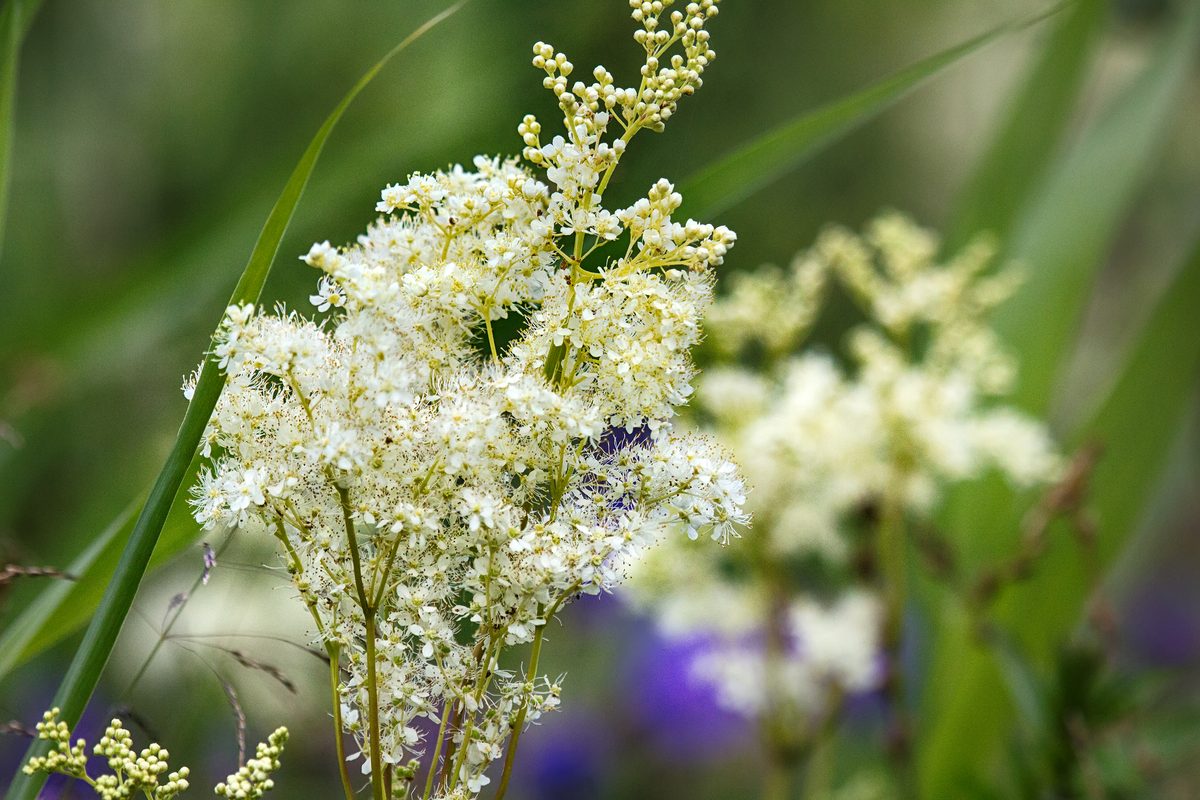
Build the meadow around moisture-tolerant native grasses such as crested dog’s-tail, red fescue and meadow foxtail, with meadow plants that cope with winter flooding. Common knapweed (Centaurea nigra), meadowsweet (Filipendula ulmaria), selfheal (Prunella vulgaris), meadow buttercup and cuckooflower all suit. Great burnet (Sanguisorba officinalis), the signature plant of floodplain meadows, is slower but worth including on the right ground.
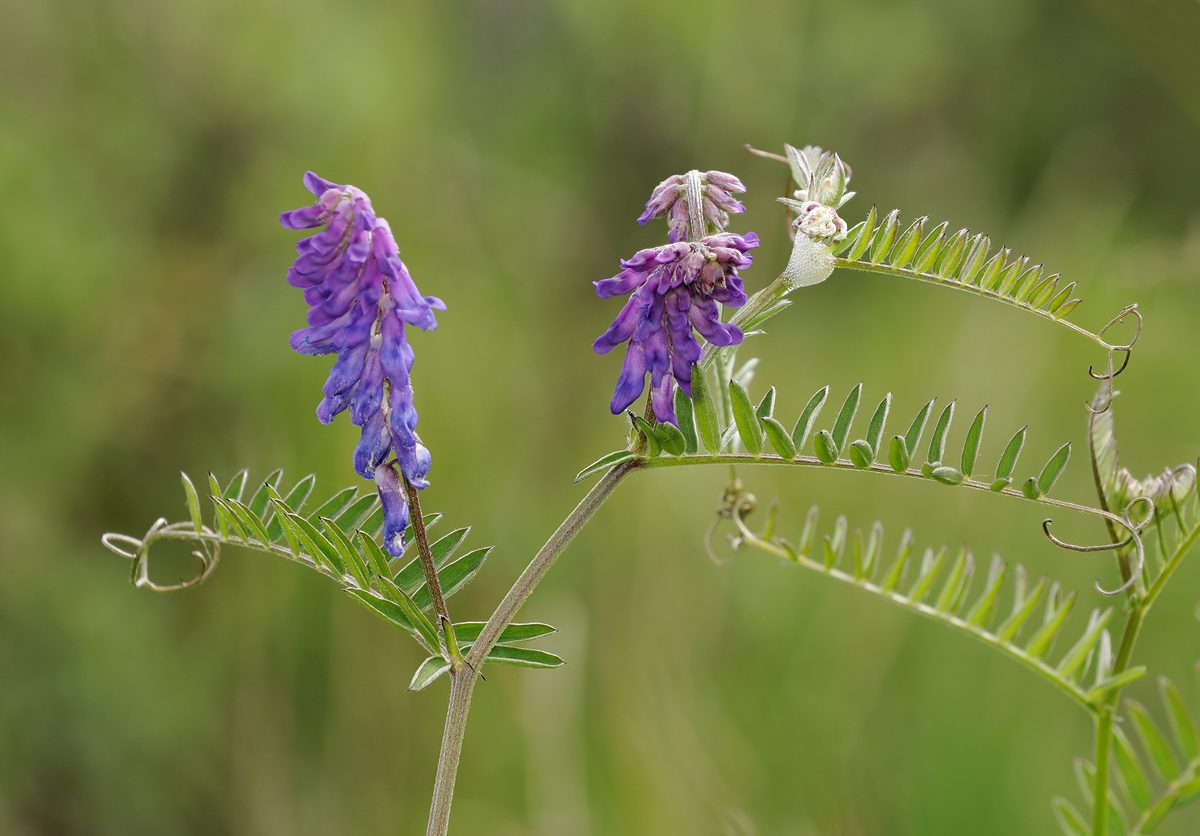
Yellow rattle (Rhinanthus minor) weakens the grasses and opens space for flowers. Red bartsia (Odontites vernus), another semi-parasite, is valuable on damp pasture edges as a key pollen source for the rare shrill carder bee. Wild red clover, tufted vetch and bird’s-foot-trefoil extend the flowering season.
Where seed will not work: peat moors and designated land
On the inland peat moors and the permanently wet fields, sowing a meadow mix is not the answer. Cultivating peat to create a seedbed speeds up its breakdown, releasing carbon, and works against efforts to keep peat wet. Waterlogging drowns sown seedlings and soon shifts any sward towards rushes and sedges, and the stored phosphorus feeds vigorous wetland grasses.
Large parts of the Levels are also protected as SSSI, Special Protection Area and Ramsar site. Disturbing the ground there needs Natural England’s consent, and there are buried archaeological remains and ground-nesting birds to consider. The specialist plants of these wet grasslands, such as sedges, marsh-marigold, meadow thistle and the fen plants of the ditch edges, cannot be established reliably from commercial seed anyway.
Here, restoration comes through water level management, nutrient reduction by hay cutting, rotational ditch clearance and, where a donor meadow is close, green hay. Many floodplain meadow plants have short-lived seed banks and spread only a metre or two, so green hay from a nearby meadow carries plants that would never arrive on their own.
Wildlife of the Levels and Moors
- Wintering and breeding birds. The Levels support tens of thousands of wintering wigeon, teal and lapwing, and in spring are one of southern England’s most important breeding areas for lapwing, snipe, curlew and redshank.
- Ditch life. The rhynes hold rare water beetles, including the great silver water beetle, along with otters, water voles and eels.
- Shrill carder bee. Somerset holds one of the last populations of Britain’s rarest bumblebee, which nests in tussocky grass and feeds late into summer on red bartsia, clovers, vetches and knapweed.
Meadow management should allow for this wildlife. Avoid cutting where waders are nesting, and leave uncut strips and tussocky margins into late summer for bees and other insects.
How to sow and manage a floodplain meadow on the Levels
Sow between mid-August and late October. Many floodplain plants need winter cold to germinate, and spring sowings tend to dry out and end up dominated by grass. On grassland, cut or graze hard and harrow until about half the ground is bare soil. On former arable land, prepare a firm, fine seedbed. Do not add compost, manure or fertiliser.
Mix the seed with kiln-dried sand, sow it on the surface and roll it in. Never rake it in. Use 3 g/m² for a 100% wildflower mix sown into prepared grassland and 5 g/m² for an 80/20 mix on bare ground.
Once established, take a hay cut from mid-June to mid-July when the ground is firm enough for machinery, and remove it all. A hay crop takes phosphorus off the field every year. Graze the aftermath in late summer and autumn, and keep stock off wet ground in winter to avoid poaching. Expect three to five years before the meadow settles.
Wildahome seed mixes for Somerset Levels sites
For mineral floodplain and clay fields we recommend our Loam & Alluvial range, built for deeper, moisture-retentive soils. For damp ditch margins and pond edges, our Wetland & Pond mix is the better fit. On the dry limestone slopes of the Poldens and other islands, use our Chalk & Limestone range instead.
To be clear about provenance, these mixes contain UK-native species chosen for the soil. They are not harvested on the Levels. On designated land, peat moors or anywhere near an existing species-rich meadow, start with water and hay management and talk to us before buying seed.
Plan your Somerset Levels meadow
Find out whether your field sits on peat or mineral clay, check its water regime with your drainage board, and test the soil for phosphorus and pH. On low-fertility mineral ground outside designated sites, an autumn sowing can work well. Elsewhere, management comes first. Email hello@wildahome.co.uk with your location and soil results and we will help you plan.
Frequently Asked Questions
Can I sow wildflower seeds on the Somerset Levels?
Yes, on the right ground. Seed works best on mineral floodplain and drier clay fields outside designated sites, where phosphorus is low and the ground does not stay waterlogged in summer. On peat moors, permanently wet fields and protected sites, water management, hay cutting and green hay are the realistic routes.
What wildflowers grow on the Somerset Levels?
Floodplain hay meadows on the Levels suit knapweed, meadowsweet, great burnet, meadow buttercup, cuckooflower, selfheal, clovers, vetches and yellow rattle, with grasses such as crested dog’s-tail and meadow foxtail. Wetter ground supports sedges, rushes and marsh-marigold, which arrive naturally rather than from seed.
Why can’t I sow a meadow mix on peat?
Cultivating peat speeds up its breakdown and releases carbon. Peat on the Levels is also often very high in phosphorus and stays wet into the growing season, which drowns seedlings and favours rushes and vigorous wetland grasses. Managing water levels and taking hay cuts works better than sowing.
When should I sow Somerset Levels wildflower seeds?
Sow between mid-August and late October. Many floodplain plants need winter cold to germinate, and autumn sowing avoids the summer drought that kills spring-sown seedlings. Sow on the surface, roll it in and avoid working wet clay.
Do I need permission to sow near rhynes on the Levels?
Usually for work close to them. Drainage board byelaws generally require consent for works within 9 metres of a maintained watercourse and a clear access strip along the bank. Work on an SSSI or Ramsar site needs Natural England’s consent. Check with your internal drainage board first.
How do I help the shrill carder bee on my land?
Grow late-flowering plants such as red bartsia, red clover, vetches and knapweed, and leave tussocky, uncut margins into late summer for nesting and feeding. Stagger cutting rather than mowing everything at once in August, so the bees always have forage.
How long does a floodplain meadow take to establish?
Expect noticeable gains within three to five years and good species richness after eight to ten, provided fertility is low and the meadow is cut for hay each summer with the hay removed. Higher phosphorus or wetter ground slows progress considerably.
Ready to get started?
Shop: Traditional Wildflower Meadow Mix →