

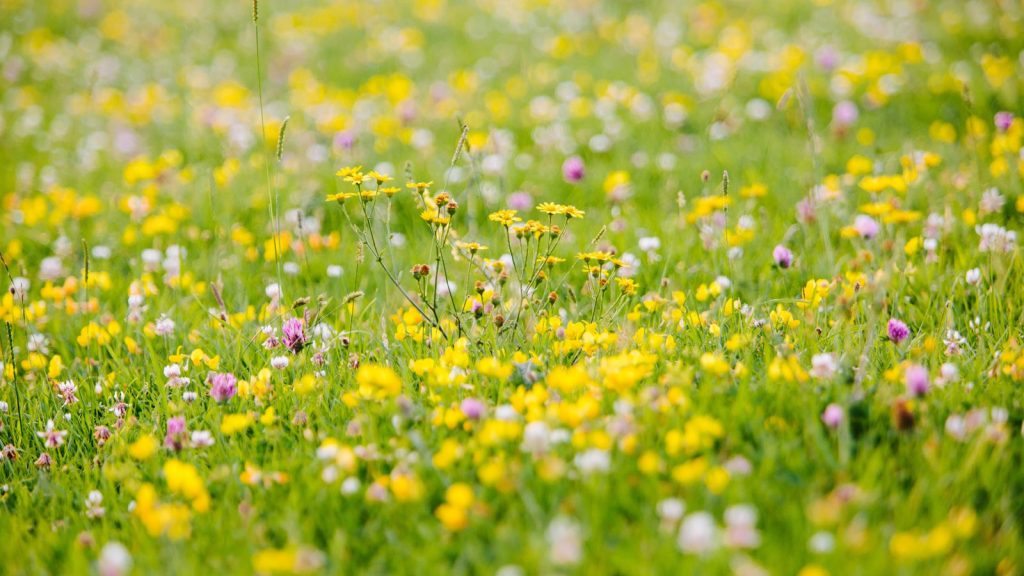
Cambrian Mountains Wildflower Seeds: Restoring Upland Hay Meadows in Mid Wales
The Cambrian Mountains are the green heart of Wales: a vast upland of rounded hills, moorland and remote valleys stretching across Powys, Ceredigion and Carmarthenshire. Tucked into the valleys are some of the finest surviving hay meadows in Britain, full of great burnet, wood bitter-vetch and mountain pansy. Choosing Cambrian Mountains wildflower seeds well means respecting how these meadows came about and how fragile they are.
Wildahome is based in Powys, on the edge of the Cambrian Mountains, so this is our home ground. It is also a landscape where the honest answer is often that local seed, green hay and the right management will do more than any bought mix.
This guide explains the four zones of the Cambrian Mountains, where seed can help and where it can do harm, the Welsh rules that apply, and how to manage an upland meadow so it flourishes for years.
The Cambrian Mountains landscape
The Cambrian Mountains rise to 752 metres at Pumlumon and spread across the Elenydd plateau, the Elan Valley and the Abergwesyn Commons. Natural Resources Wales maps the central massif as a National Landscape Character Area, and its LANDMAP assessments rate much of it as outstanding. Yet unlike Snowdonia or the Brecon Beacons, the Cambrian Mountains are neither a National Park nor a designated National Landscape. A National Park was proposed in the 1970s but never confirmed.
Wales has lost the great majority of its semi-natural grassland since the 1950s, through ploughing, reseeding, fertiliser and the switch from hay to silage. Even so, it still holds around a third of the UK’s priority grassland, much of it on Mid Wales farms. Natural Resources Wales has named parts of Ceredigion and the Elan Valley and West Radnorshire among its national priority areas for semi-natural grassland.
Four zones, four different approaches
High moorland and blanket bog
Above about 450 metres, the plateau is open moorland, blanket bog, heath and rough acid grazing, with blocks of conifer plantation. This is peatland country, and restoration here means blocking drains and rewetting bog, not sowing meadow seed.
The ffridd
Between the enclosed valley farmland and the open hill lies the ffridd, the steep, mixed ground of grass, bracken, heather, gorse, scattered trees, rocks and flushes. Surveys have found the ffridd to be the most habitat-rich zone per square kilometre of any in Wales. It shelters ring ouzels, whinchats, tree pipits and fritillary butterflies, and its short acid grassland can hold important waxcap fungi.
Enclosed upland pastures and hay meadows
Lower down, on gentler slopes and valley terraces behind walls and hedges, lie the enclosed pastures and hay meadows. This is where meadow restoration from seed and green hay makes most sense.
River valleys
The upper Wye, Irfon, Elan and Teifi cut through the uplands. Their valley floors carry deeper, wetter soils with rush pasture and riverside meadows, and parts of them, such as the River Wye and River Teifi, are protected as Special Areas of Conservation.
What a Cambrian upland hay meadow really is
The term “upland hay meadow” needs care. In botanical terms, true northern upland hay meadow with wood crane’s-bill belongs mainly to the Pennines and the Dales. The richest meadows of the Cambrian Mountains, at places such as the Elan Valley, are instead upland-fringe hay meadows: neutral grassland dominated by crested dog’s-tail and knapweed, grading into acid grassland on leached slopes and into rush pasture and fen-meadow in wet hollows.
These Welsh meadows have their own character. Great burnet (Sanguisorba officinalis), wood bitter-vetch (Vicia orobus), mountain pansy (Viola lutea), rough hawkbit (Leontodon hispidus), yellow rattle and, under old bracken, bluebells are all part of the mix. High rainfall slowly leaches lime from the soil, so many meadows were traditionally given a little lime and farmyard manure to stay neutral.
Can Cambrian Mountains wildflower seeds restore a meadow?
Enclosed meadows and pastures: yes, with conditions
Semi-improved and improved valley pastures can be turned back towards species-rich hay meadow. Natural Resources Wales trials in the Elan Valley and National Trust and Plantlife Cymru work in Ceredigion have shown it working. Three things decide success: low soil fertility, the right pH for the target meadow, and a return to traditional late hay cutting and aftermath grazing.
Test the soil first. A phosphorus index of 0 or 1 is ideal. At index 2, yellow rattle and repeated hay removal can gradually open the sward. Above index 3, take two or three hay cuts a year for several years, removing all cuttings, before introducing seed. If the field has become too acid for a neutral meadow, a light dressing of lime can help, but never lime ground you want to restore as acid grassland or heath.
The ffridd: management first, almost never seed
Ploughing and reseeding the ffridd has been one of the main causes of its loss. Cultivating steep ffridd soil damages its structure, its carbon and its fungi, and replaces a rich mosaic with a uniform sward. It is also tightly regulated.
Under the Environmental Impact Assessment (Agriculture) (Wales) Regulations 2017, ploughing, cultivating, reseeding or draining uncultivated or semi-natural land needs Welsh Government screening before any work starts. Land counts as semi-natural if less than a quarter of its plants are sown agricultural species such as ryegrass and white clover. Starting work without screening is an offence.
Restore the ffridd through grazing with hardy cattle or ponies, cutting and raking bracken where flowers survive beneath it, and rotational scrub cutting outside the bird nesting season. In the Elan Valley, years of bracken cutting and raking at one site halved the bracken and let great burnet, wood bitter-vetch and mountain pansy return without any seed being sown.
Local seed and green hay: the first choice here
Where seed is needed, green hay or brush-harvested seed from a nearby meadow in the same valley is the best option. It carries local Welsh upland forms of each plant, including species no supplier sells, and can bring a meadow back far faster than management alone.
Choose a donor meadow in the same catchment with similar soil moisture, check it for docks, thistles and ragwort, and cut it in mid to late July as the seed ripens. Graze or cut the receiving field short and harrow it to open bare soil, then spread the hay the same day and roll it or let stock trample it in. Ceredigion Meadows Group, the Elan Valley Trust, local Wildlife Trusts and FWAG Cymru can help match donor and receiving sites.
One transfer rarely brings everything. Keep the sward open with grazing in late autumn and early spring, and add any missing species later as locally collected seed or plug plants.
Wildlife of Cambrian Mountains meadows and ffridd
- Birds. The ffridd supports ring ouzel, whinchat, tree pipit and yellowhammer, while red kites hunt over the hay meadows.
- Butterflies and moths. Small pearl-bordered and dark green fritillaries breed among violets on bracken-covered ffridd, and forester and fox moths fly over the grassland.
- Bees. Knapweed, bird’s-foot-trefoil and great burnet feed bumblebees through the short upland summer.
Old, unfertilised grassland also supports waxcap fungi, some of them nationally important. Sowing plants does not guarantee wildlife will follow; what matters most is keeping a varied structure through grazing and late cutting.
Managing an upland hay meadow through the year
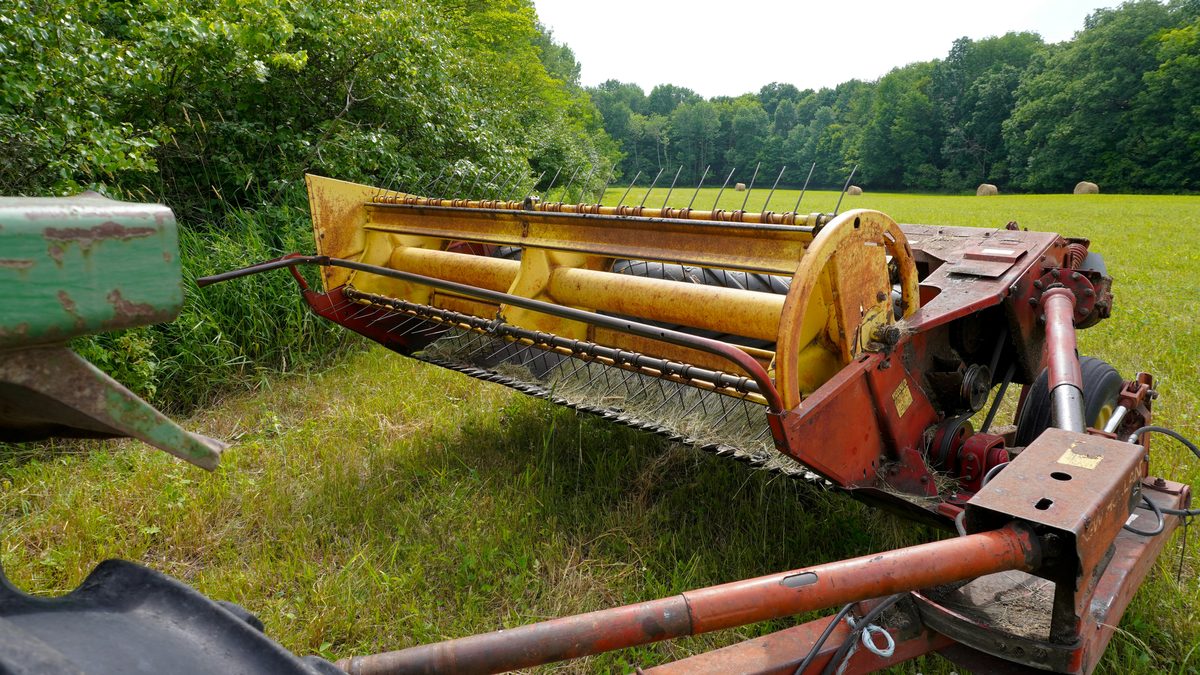
Close the field to stock in spring so the meadow can grow. Take the hay cut late, from late July into August, so slower upland plants can flower and set seed, and let the hay dry and turn in the field before baling so the seed falls back into the sward. Big-bale silage taken early, or topping left lying, slowly strips out the wildflowers.
Graze the aftermath through autumn and into winter or early spring to clear dead growth and open space for seedlings. Avoid synthetic fertiliser and heavy muck. Expect three to five years for a restored meadow to settle, and longer at altitude, where the growing season is short.
Multi-species leys with chicory and plantain can be valuable on improved farmland, but they are not wildflower meadows and should never be sown onto semi-natural grassland.
Funding and advice in Wales
In Wales, the relevant bodies are Natural Resources Wales and Farming Connect rather than Natural England. Meadow and habitat management is now supported through the Welsh Government’s Sustainable Farming Scheme, which requires at least a tenth of each farm to be managed as habitat. Farming Connect offers soil testing advice and training. Check current scheme rules with Farming Connect or your adviser before starting work.
Wildahome seed mixes for Cambrian Mountains sites
Where local green hay is not available and the ground is an improved enclosed pasture, our Traditional Meadow range suits neutral valley soils. Use the 100% wildflower mix with yellow rattle to diversify existing grassland. On genuinely acid enclosed land, our Acidic Soils mix is the better match. Wet hollows suit our Wetland & Pond mix.
To be clear about provenance, our standard mixes contain UK-native species chosen for the soil, not seed harvested in the Cambrian Mountains. As a Mid Wales business we know how much local provenance matters here, so if you are restoring a meadow in the Cambrian Mountains, talk to us about local options before you buy.
Plan your Cambrian Mountains meadow
Start by working out which zone your land is in. On the ffridd and semi-natural ground, think management first and check the EIA rules before any cultivation. On enclosed pasture, test the soil, look for a donor meadow nearby, and plan for late hay cutting. Email hello@wildahome.co.uk with your location, soil results and goals and we will help you work out the right approach.
Frequently Asked Questions
Can I sow Cambrian Mountains wildflower seeds on my land?
On enclosed, improved pasture with low phosphorus, yes, ideally using local green hay or brush-harvested seed, with a commercial mix where no donor meadow is available. On ffridd and other semi-natural ground, cultivating and reseeding is usually harmful and needs Welsh Government EIA screening first.
What is ffridd?
Ffridd is the mixed land between enclosed valley farmland and the open mountain: a patchwork of grassland, bracken, heather, gorse, scattered trees, rock and flushes. It is one of the richest wildlife zones in Wales and is best restored through grazing, bracken and scrub management rather than sowing.
Do I need permission to reseed upland grassland in Wales?
If the land is uncultivated or semi-natural, meaning less than a quarter of its plants are sown agricultural species, ploughing, cultivating or reseeding needs screening under the EIA (Agriculture) (Wales) Regulations 2017 before work starts. Check with Welsh Government or Farming Connect.
What wildflowers grow in Mid Wales hay meadows?
Typical species include knapweed, great burnet, wood bitter-vetch, mountain pansy, rough hawkbit, bird’s-foot-trefoil, yellow rattle, eyebright and, on damper ground, ragged-robin and meadowsweet, with grasses such as crested dog’s-tail, sweet vernal-grass and common bent.
When should I cut an upland hay meadow?
Late, from late July into August, once the main plants have set seed. Let the hay dry and turn in the field before baling so seed drops back into the meadow, then graze the aftermath through autumn. Early silage cuts gradually strip wildflowers out.
Is green hay better than a seed mix in the Cambrian Mountains?
Usually, yes. Green hay from a nearby meadow carries local plant forms and species no supplier sells, and restores meadows quickly. A seed mix is a good fallback where no donor meadow is available nearby, provided the soil is low in fertility.
How long does upland meadow restoration take?
Expect three to five years for a restored meadow to settle and longer at higher altitude, where the growing season is short. A single green hay transfer rarely brings every species, so keep the sward open with grazing and add missing species later.
Ready to get started?
Shop: Traditional Wildflower Meadow Mix →