meadow establishment

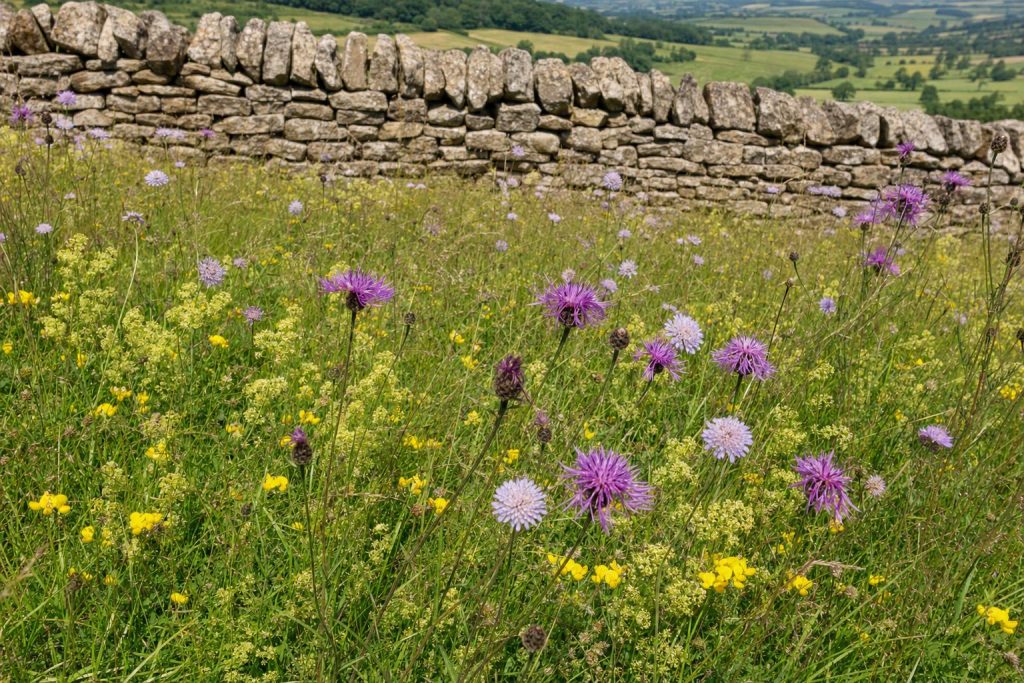
Dorset-Downs_Dorset-wildflower-seeds

Wildflower Seeds for Dorset: Native Mixes for Chalk Downs, Clay Vales and the Jurassic Coast

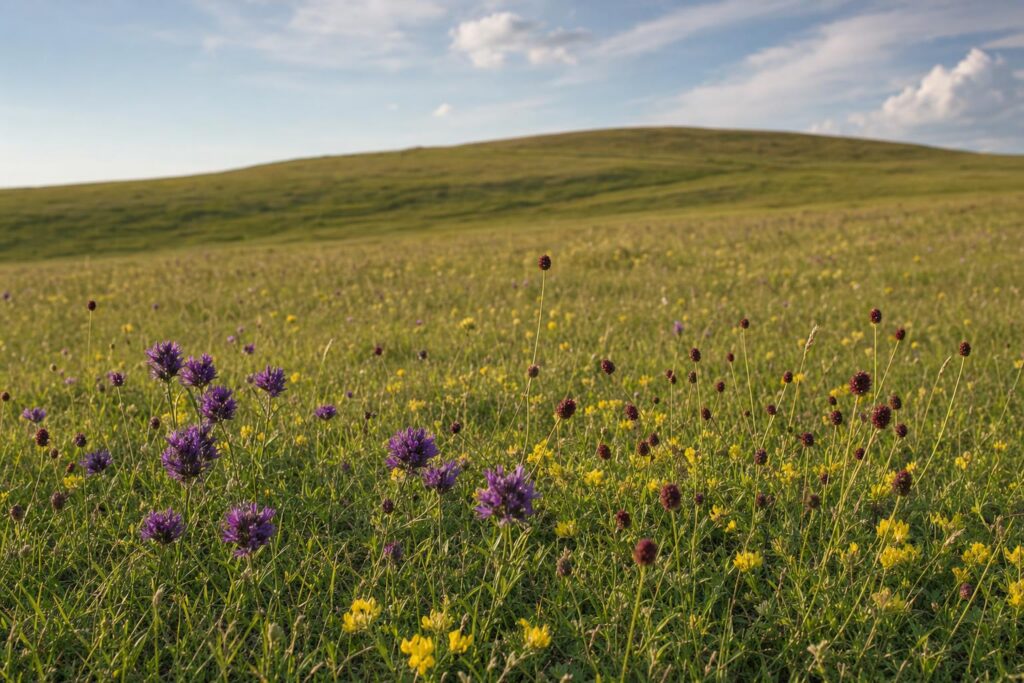
Wildflower Seeds for Dorset: Native Mixes for Chalk Downs, Clay Vales and the Jurassic Coast Dorset is a county of sharp edges. Walk a few miles and you can go from open chalk downland to the heavy clay of the Blackmore Vale, from the sandy heaths around Poole Harbour to the limestone cliffs of Purbeck

Wildflower Seeds for Dorset: Native Mixes for Chalk Downs, Clay Vales and the Jurassic Coast Read More »

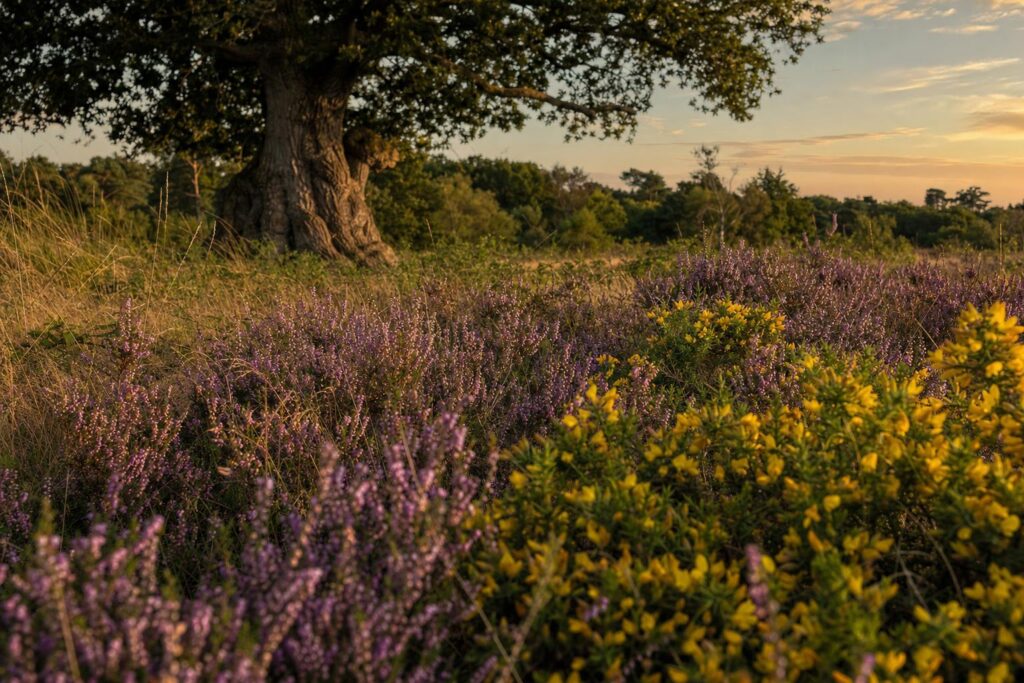
Purple heather and yellow gorse flowering on Sherwood Forest heathland in Nottinghamshire, with ancient oak trees in the background.

Wildflower Seeds for Nottinghamshire: Native Mixes for Sherwood Sandstone and the Trent Valley

Wildflower Seeds for Nottinghamshire: Native Mixes for Sherwood Sandstone and the Trent Valley Nottinghamshire’s soils tell the story of Sherwood Forest before you even reach a single tree. Across the west and centre of the county, light, acidic sand weathered from the Sherwood Sandstone Group gave rise to the heathland and oak woodland that made

Wildflower Seeds for Nottinghamshire: Native Mixes for Sherwood Sandstone and the Trent Valley Read More »

somerset wildflower seeds somerset meadow and woodland seeds

Wildflower Seeds for Somerset: Native Mixes for the Mendips, the Levels and the Hills

Wildflower Seeds for Somerset: Native Mixes for the Mendips, the Levels and the Hills Somerset packs more contrast into one county than almost anywhere in southern England. Limestone gorges and thin calcareous turf on the Mendips; wet, peaty grassland on the Levels and Moors, criss-crossed by rhynes; acidic heath and oak woodland on the Quantocks;

Wildflower Seeds for Somerset: Native Mixes for the Mendips, the Levels and the Hills Read More »

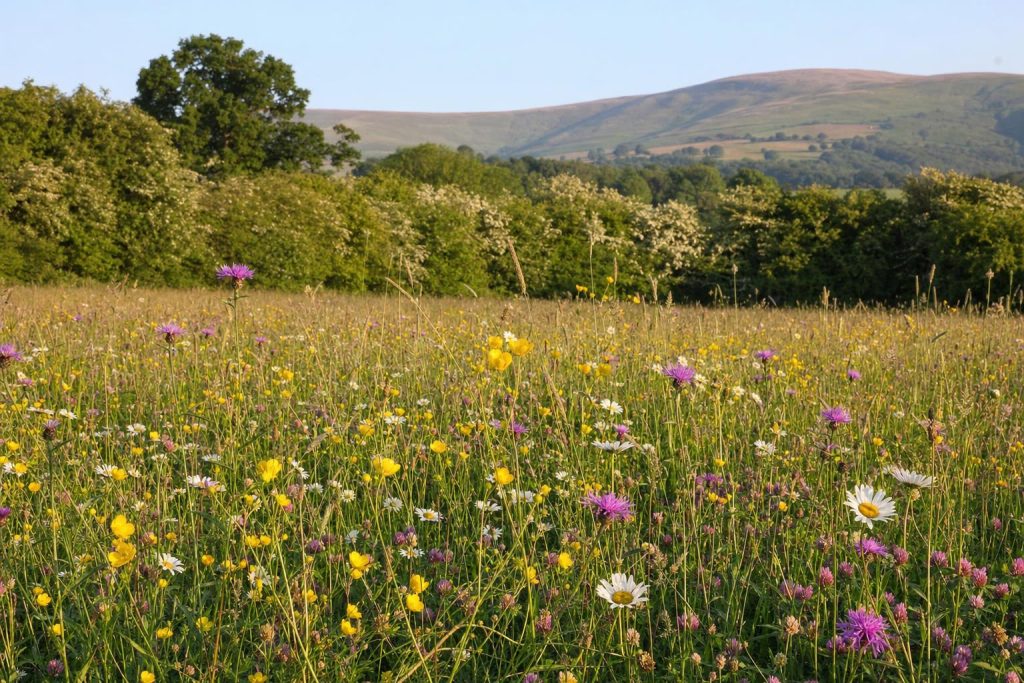
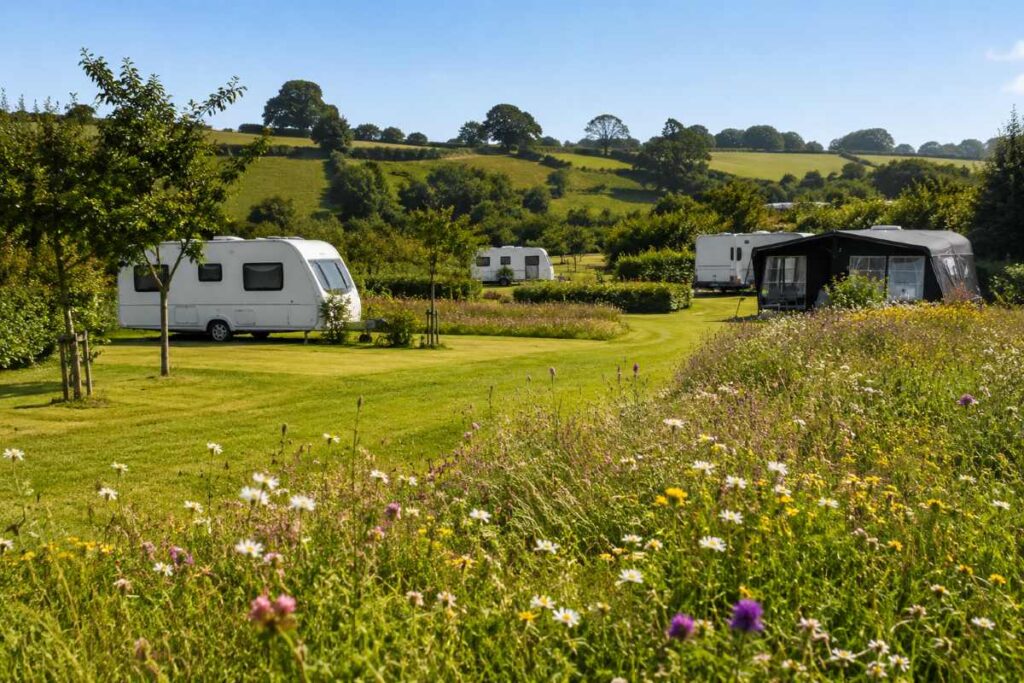
A caravan site situated within a wildflower meadow.

How Caravan Parks Can Become More Nature Friendly with Wildflower Seeds

Discover how caravan parks can transform their landscapes into vibrant, nature-friendly havens with wildflower seeds. By replacing surplus grass with colorful, species-rich meadows, parks not only reduce maintenance costs but also enhance biodiversity and create stunning photo opportunities for guests.

How Caravan Parks Can Become More Nature Friendly with Wildflower Seeds Read More »

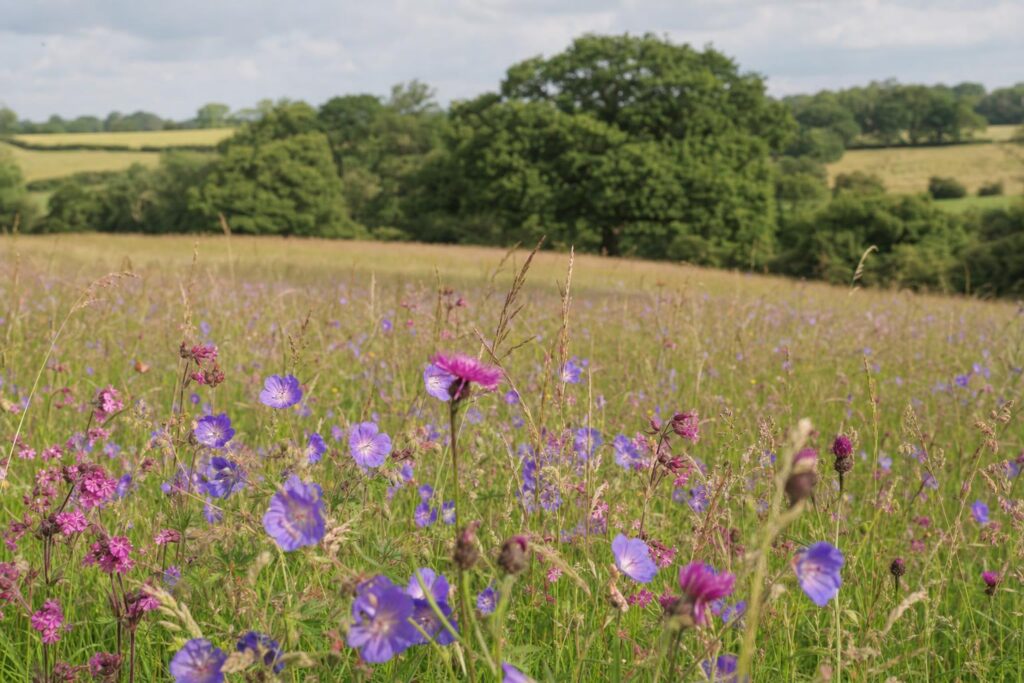
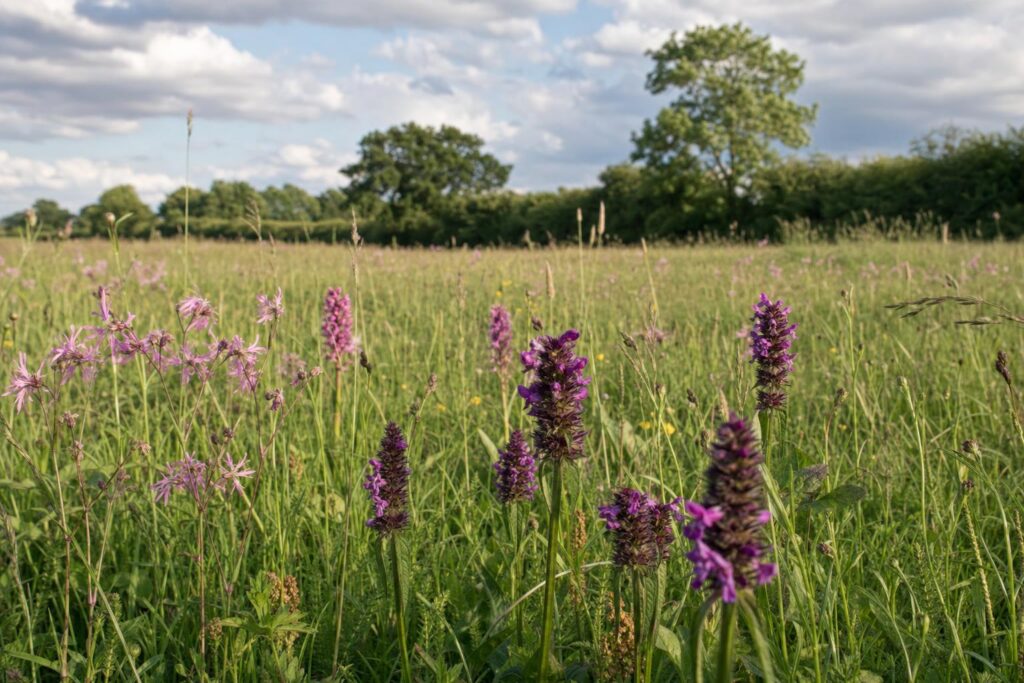
A traditional hay meadow on the Cheshire Plain with purple betony, pink ragged robin and common spotted orchids flowering in long grass, with hedgerows behind.

Wildflower Seeds for Cheshire: Native Mixes for the Plain, the Sandstone Ridge and the Mosses

Wildflower Seeds for Cheshire: Native Mixes for the Plain, the Sandstone Ridge and the Mosses Cheshire Wildlife Trust puts the scale of the problem plainly: 99% of the county’s hay meadows have been lost. That figure sits behind everything in this guide, because it explains why choosing the right wildflower seeds for Cheshire — and

Wildflower Seeds for Cheshire: Native Mixes for the Plain, the Sandstone Ridge and the Mosses Read More »

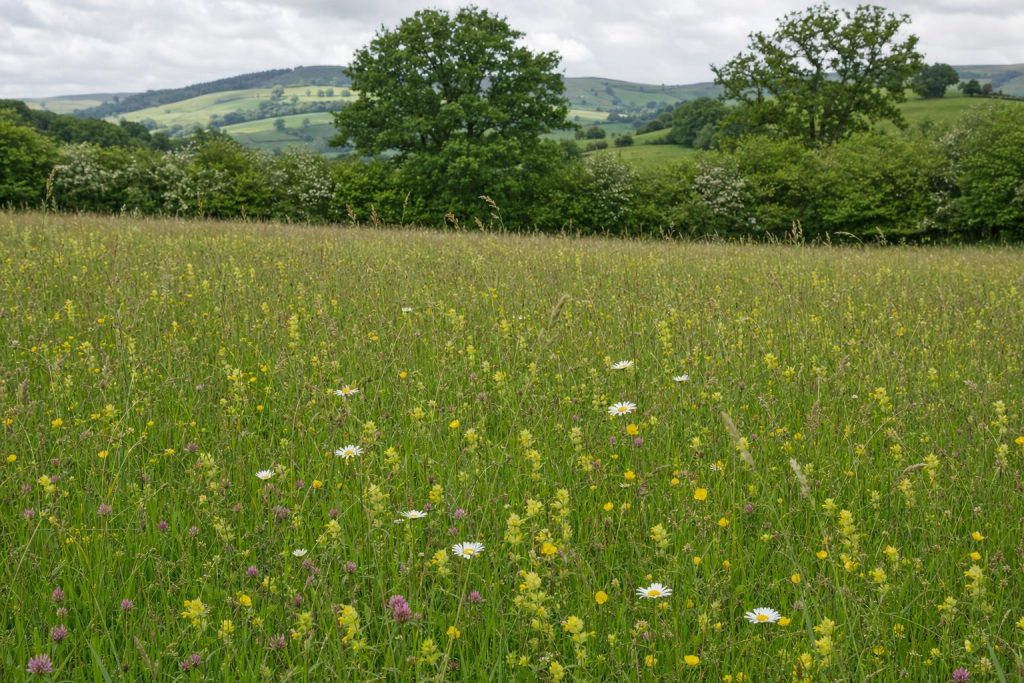
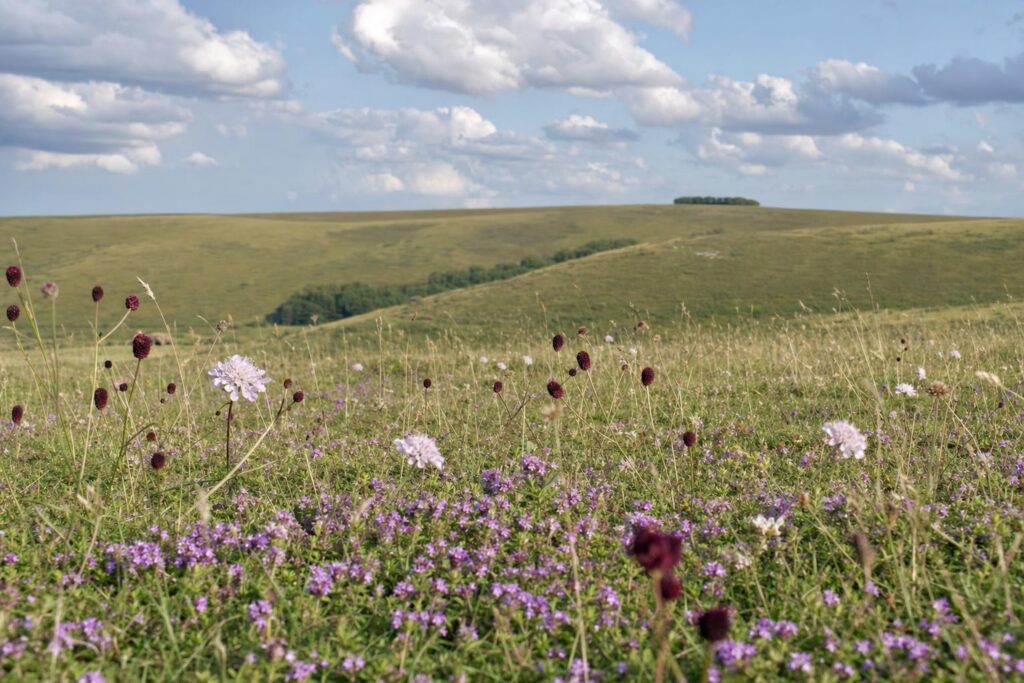
A chalk grassland meadow on the North Wessex Downs in Berkshire with purple horseshoe vetch and clustered bellflower flowering among short turf, with rolling downland behind.

Wildflower Seeds for Berkshire: Native Mixes for Chalk Downland, Clay and the Thames Valley

Wildflower Seeds for Berkshire: Native Mixes for Chalk Downland, Clay and the Thames Valley Berkshire is a county of surprising contrasts once you look past the M4 corridor. In the west, the chalk of the North Wessex Downs rises toward Walbury Hill, the highest chalk hill in southern England. Around Reading and Wokingham, London Clay

Wildflower Seeds for Berkshire: Native Mixes for Chalk Downland, Clay and the Thames Valley Read More »