How-To Guides

somerset wildflower seeds somerset meadow and woodland seeds

Wildflower Seeds for Somerset: Native Mixes for the Mendips, the Levels and the Hills

Wildflower Seeds for Somerset: Native Mixes for the Mendips, the Levels and the Hills Somerset packs more contrast into one county than almost anywhere in southern England. Limestone gorges and thin calcareous turf on the Mendips; wet, peaty grassland on the Levels and Moors, criss-crossed by rhynes; acidic heath and oak woodland on the Quantocks;

Wildflower Seeds for Somerset: Native Mixes for the Mendips, the Levels and the Hills Read More »

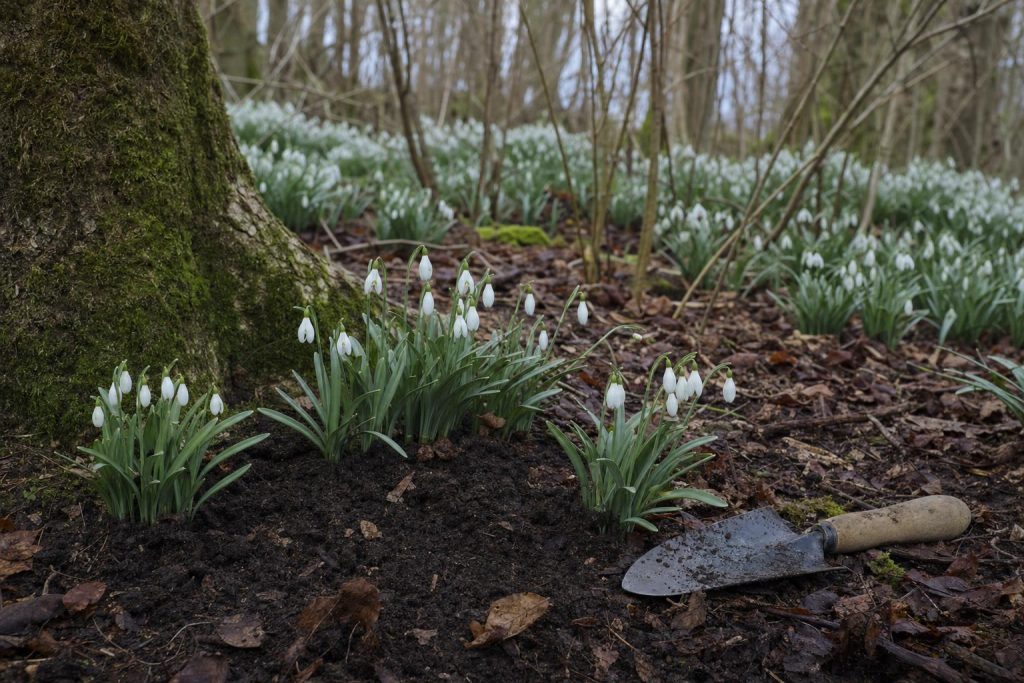
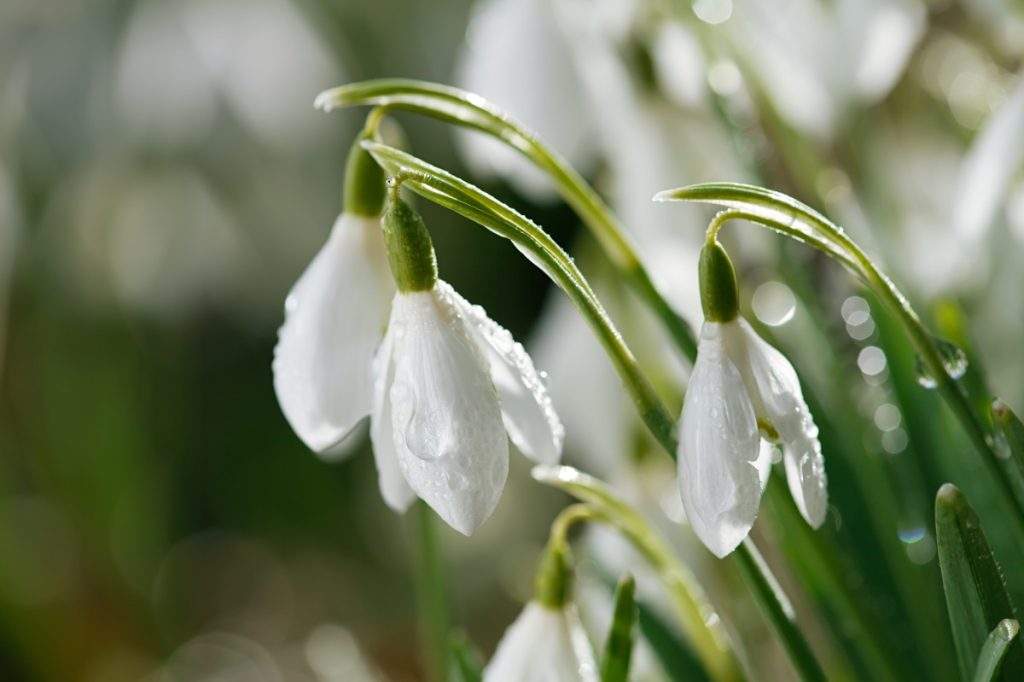
Clumps of snowdrops in the green with leaves and fading flowers ready for planting at a woodland edge in late winter

A Year-Round Native Bulb Planting Calendar for Large Projects and Net Gain Sites

Bulb planting is usually thought of as an October job. On a garden scale that is close enough. On a housing scheme, a country estate or a biodiversity net gain site, it is not. Bulbs have to be specified, ordered, stored, planted and then protected by the mowing regime, and each of those steps has

A Year-Round Native Bulb Planting Calendar for Large Projects and Net Gain Sites Read More »

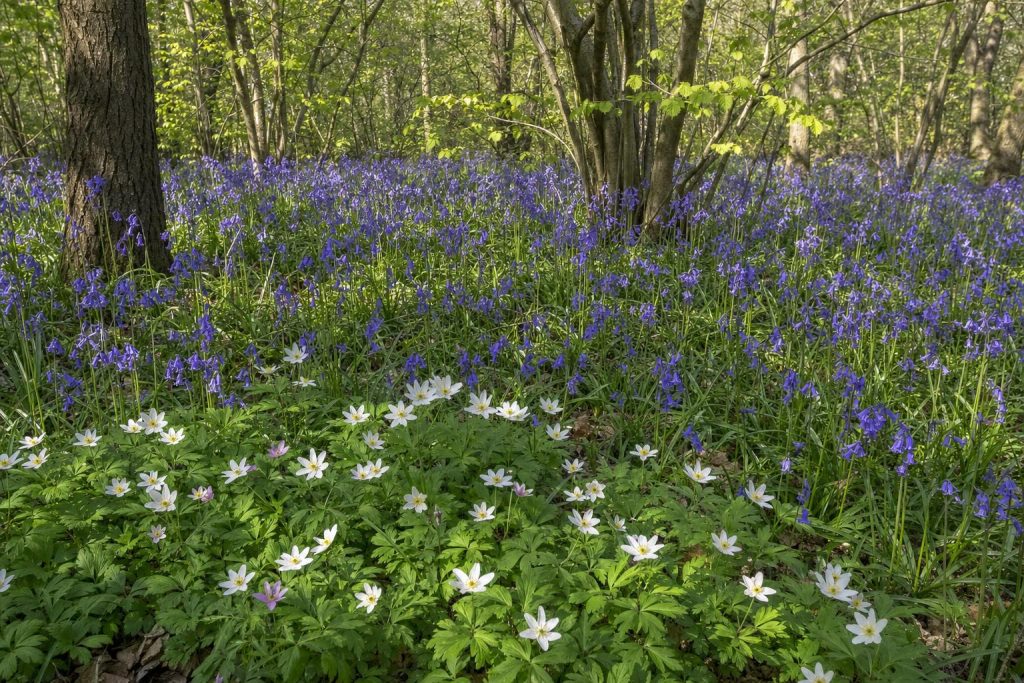
Native bluebells and wood anemones flowering together on a deciduous woodland floor in spring

Native Wildflower Bulbs by Soil Type: Choosing the Right Bulbs for Your Ground

A native bulb planted in the right soil will still be flowering, and spreading, in thirty years. Put the same bulb in the wrong ground and it will put up a thin show for a spring or two, then fade away. Soil is the single biggest factor in whether a bulb planting lasts. This guide

Native Wildflower Bulbs by Soil Type: Choosing the Right Bulbs for Your Ground Read More »

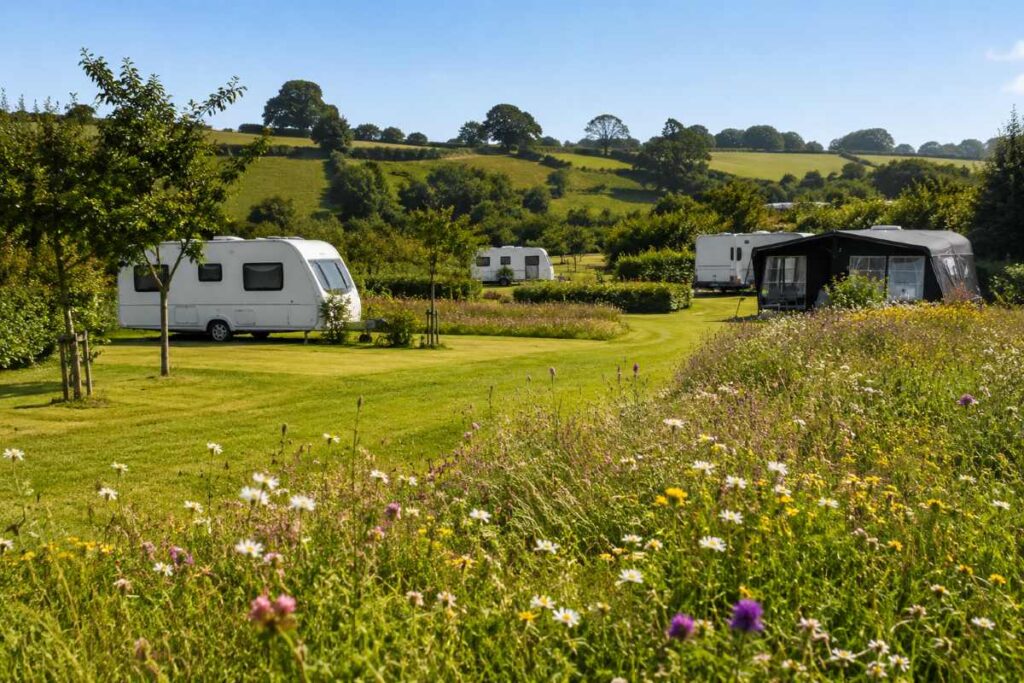
A caravan site situated within a wildflower meadow.

How Caravan Parks Can Become More Nature Friendly with Wildflower Seeds

Discover how caravan parks can transform their landscapes into vibrant, nature-friendly havens with wildflower seeds. By replacing surplus grass with colorful, species-rich meadows, parks not only reduce maintenance costs but also enhance biodiversity and create stunning photo opportunities for guests.

How Caravan Parks Can Become More Nature Friendly with Wildflower Seeds Read More »

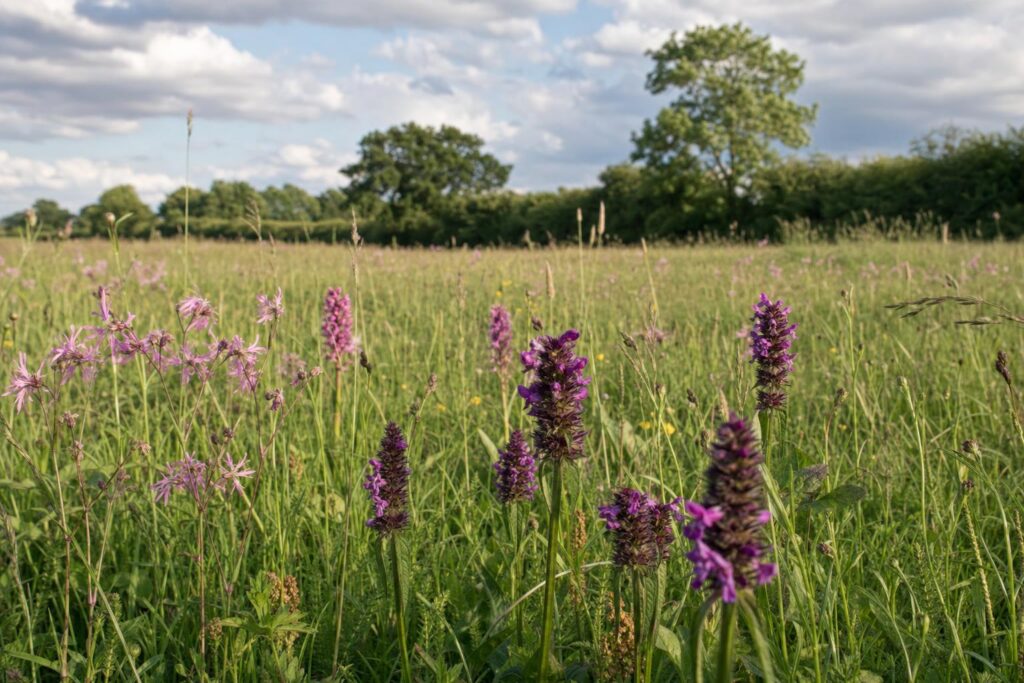
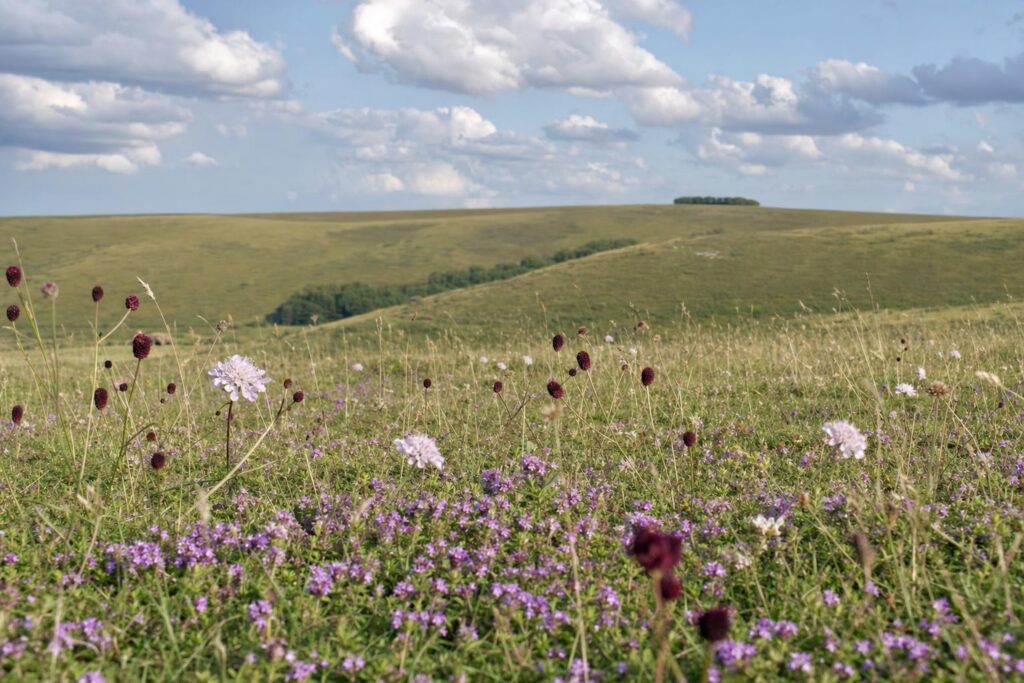
A traditional hay meadow on the Cheshire Plain with purple betony, pink ragged robin and common spotted orchids flowering in long grass, with hedgerows behind.

Wildflower Seeds for Cheshire: Native Mixes for the Plain, the Sandstone Ridge and the Mosses

Wildflower Seeds for Cheshire: Native Mixes for the Plain, the Sandstone Ridge and the Mosses Cheshire Wildlife Trust puts the scale of the problem plainly: 99% of the county’s hay meadows have been lost. That figure sits behind everything in this guide, because it explains why choosing the right wildflower seeds for Cheshire — and

Wildflower Seeds for Cheshire: Native Mixes for the Plain, the Sandstone Ridge and the Mosses Read More »

A chalk grassland meadow on the North Wessex Downs in Berkshire with purple horseshoe vetch and clustered bellflower flowering among short turf, with rolling downland behind.

Wildflower Seeds for Berkshire: Native Mixes for Chalk Downland, Clay and the Thames Valley

Wildflower Seeds for Berkshire: Native Mixes for Chalk Downland, Clay and the Thames Valley Berkshire is a county of surprising contrasts once you look past the M4 corridor. In the west, the chalk of the North Wessex Downs rises toward Walbury Hill, the highest chalk hill in southern England. Around Reading and Wokingham, London Clay

Wildflower Seeds for Berkshire: Native Mixes for Chalk Downland, Clay and the Thames Valley Read More »

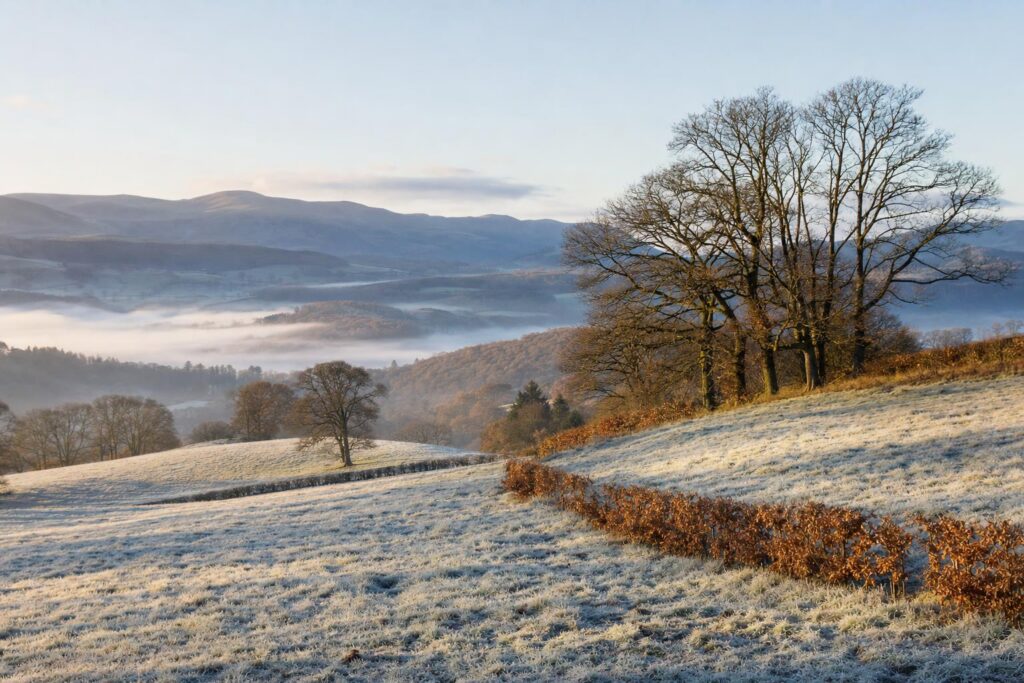
Frosty pasture and bare trees in the Cambrian foothills of Mid Wales under low winter sunlight.

Wildflower Meadow in Winter: What to Do from November to February

Wildflower Meadow in Winter: What to Do from November to February A wildflower meadow in winter looks like there is nothing to do. The flowers are long gone, the hay is in, and the field is a flat, brownish green until March. But the decisions you make between November and February shape the next summer

Wildflower Meadow in Winter: What to Do from November to February Read More »

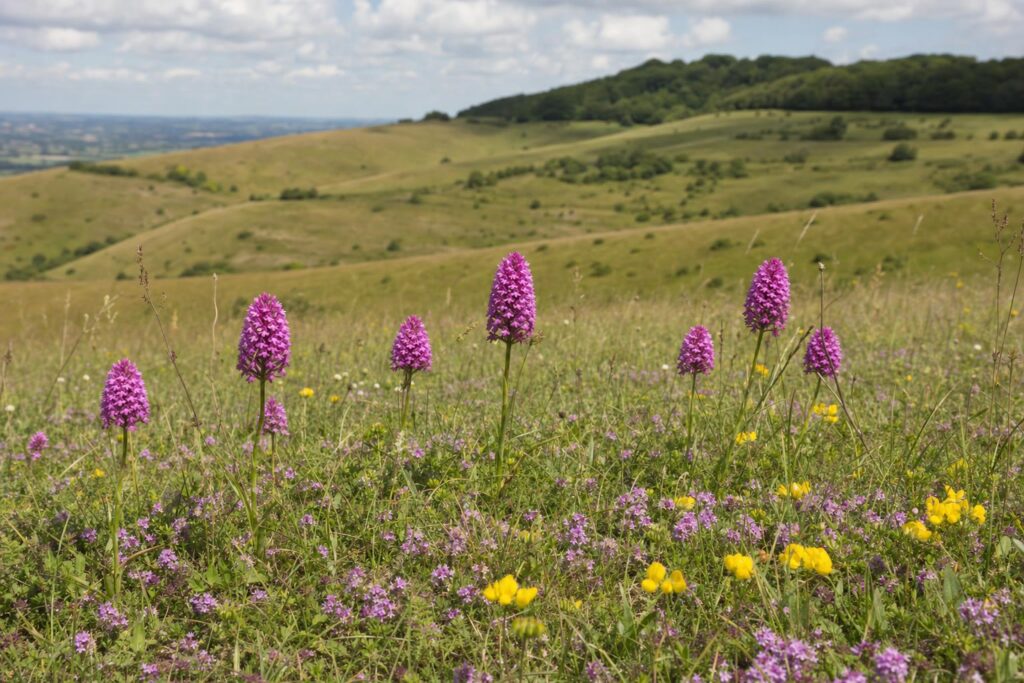
A Chiltern chalk grassland meadow in Buckinghamshire with pink pyramidal orchids and purple horseshoe vetch flowering in short turf, with beech-topped hills behind.

Wildflower Seeds for Buckinghamshire: Native Mixes for Chiltern Chalk and the Vale of Aylesbury

Wildflower Seeds for Buckinghamshire: Native Mixes for Chiltern Chalk and the Vale of Aylesbury Buckinghamshire runs from high chalk in the southeast down to heavy clay in the north, and the two halves of the county could hardly ask for more different wildflower seed. The Chiltern escarpment through High Wycombe, Amersham and Wendover sits on

Wildflower Seeds for Buckinghamshire: Native Mixes for Chiltern Chalk and the Vale of Aylesbury Read More »

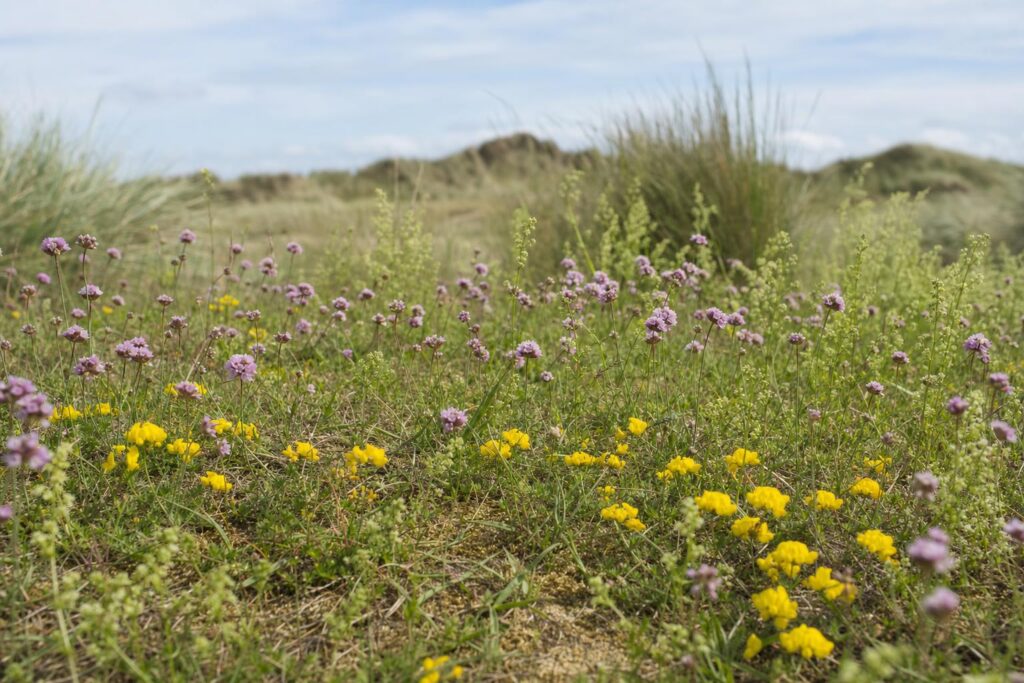
Sandy coastal grassland wildflowers including bird's-foot trefoil and restharrow near the Sefton coast dunes in Merseyside

Wildflower Seeds for Merseyside: Native Mixes for Sand Dunes, the Mersey Fringe and Urban Liverpool

Wildflower Seeds for Merseyside: Native Mixes for Sand Dunes, the Mersey Fringe and Urban Liverpool Merseyside’s defining habitat sits along its coast rather than inland. The Sefton coast, running roughly twenty kilometres between Liverpool and Southport, holds the largest sand dune system in England — a genuinely internationally important landscape. Inland, the county is largely

Wildflower Seeds for Merseyside: Native Mixes for Sand Dunes, the Mersey Fringe and Urban Liverpool Read More »

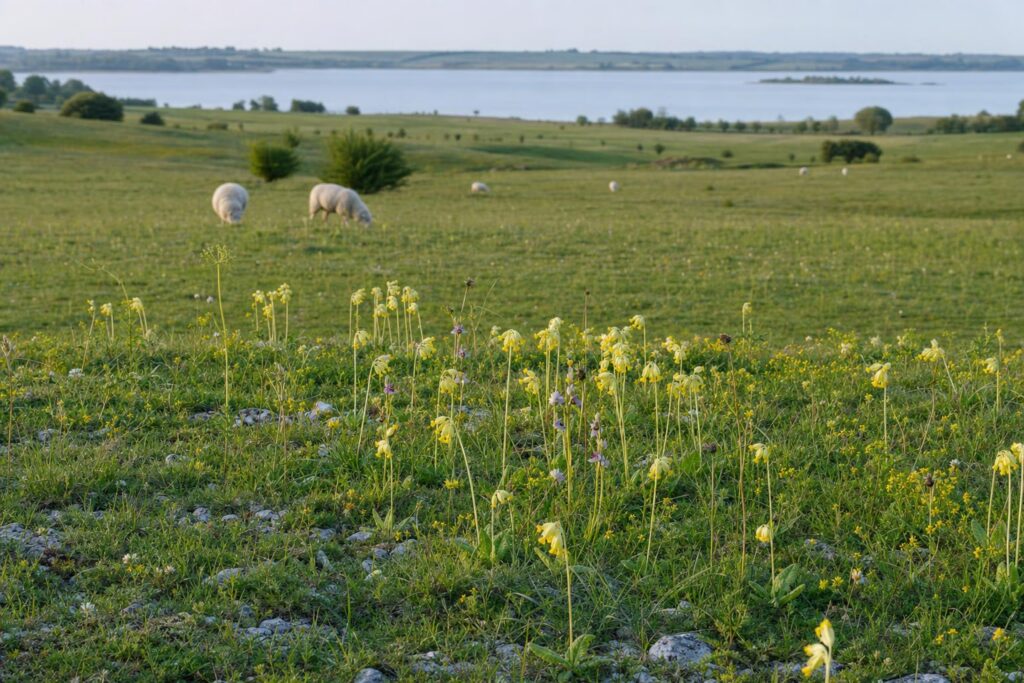
Limestone grassland meadow near Rutland Water with cowslips and grazing sheep

Wildflower Seeds for Rutland: Native Mixes for England’s Smallest County

Wildflower Seeds for Rutland: Native Mixes for England’s Smallest County Rutland packs two genuinely different soil stories into just 382 square kilometres. Free-draining Jurassic limestone dominates the east of the county, around Ketton, Clipsham, Pickworth and Greetham, historically quarried for building stone and now expressed as some of the East Midlands’ best surviving calcareous grassland.

Wildflower Seeds for Rutland: Native Mixes for England’s Smallest County Read More »